


The Binance crypto heist has sent shockwaves through the digital asset industry. On October 29, 2026, attackers stole approximately $6.3 billion in cryptocurrency from wallets operated by Binance, the world’s largest crypto exchange. Blockchain intelligence firms have linked the attack to North Korea’s TraderTraitor hacking unit, raising fresh concerns about exchange security and the vulnerabilities behind modern Web3 infrastructure.
Inside the $6.3 Billion Binance Breach
According to blockchain analysis, attackers drained Binance wallets across multiple blockchains. Most of the theft happened in approximately 20 minutes. The affected assets included Bitcoin, Ether and major stablecoins.
Binance initially said a compromised employee laptop may have allowed an attacker to access an internal service container and submit unauthorized withdrawal transactions. The company later reported finding additional points of breach. It has said investigators found no evidence that wallet private keys were leaked.
Reuters reported that the attackers appear to have compromised the exchange’s transaction-signing infrastructure. In practical terms, the attack may have manipulated systems authorized to approve transfers rather than simply stealing a wallet password.
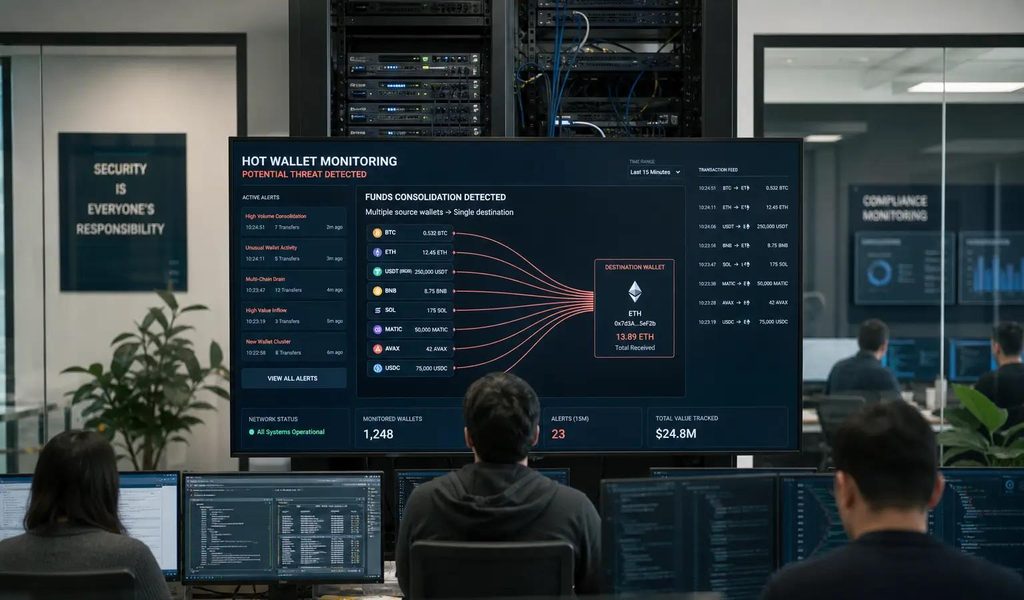
Why North Korea Is Under Scrutiny
TRM Labs attributed the theft to TraderTraitor, a hacking unit associated with North Korea, with high confidence. Elliptic and other blockchain researchers also identified evidence pointing toward North Korean-linked operators.
The attribution is based on transaction patterns, links to previously identified wallets and similarities to earlier attacks. However, Binance has not publicly confirmed who carried out the breach, and the investigation remains active.
North Korean-linked cyber groups have been associated with major cryptocurrency thefts, including the 2025 Bybit attack. Governments and security researchers have warned that stolen digital assets can help fund activities that bypass international sanctions.
What This Reveals About Web3 Security
The incident highlights a critical distinction: blockchain technology can protect transaction records while the infrastructure controlling access to funds remains vulnerable. Employee devices, software deployment systems, internal permissions and transaction-signing services can all become targets.
Hot wallets are especially important because they remain connected to systems that process transactions. Exchanges need them for operational liquidity, but their accessibility also creates security risks. Stronger controls can include independent transaction approvals, hardware-backed signing, withdrawal limits, employee-device monitoring and real-time anomaly detection.
Can the Stolen Cryptocurrency Be Recovered?
Blockchain investigators reported that roughly $3 billion in affected assets had been frozen through cooperation among exchanges, stablecoin issuers and other industry partners. Binance said it would cover confirmed customer losses using company resources and its user protection reserves.
However, freezing some tokens does not mean every stolen asset has been recovered. Bitcoin and Ether cannot be frozen by a central issuer. Investigators must trace those funds and work with exchanges or law enforcement if they reach services capable of restricting transfers.
A Security Wake-Up Call for Crypto Exchanges
The Binance breach demonstrates that Web3 security depends on more than strong cryptography. Exchanges must also protect employees, internal software, approval workflows and cross-chain infrastructure.
As investigations continue, the incident could accelerate demands for stricter operational safeguards across the crypto industry. For users, it is a reminder to understand exchange custody risks and use independent security protections wherever possible.
- Reuters: TRM links North Korea to Binance crypto theft
- Elliptic: Analysis of the Binance breach and stolen funds
- TechCrunch: North Korean hackers blamed for Binance breach
- CBS News: Blockchain firms investigate the $6.3 billion theft
#BinanceHack #NorthKorea #CryptoHeist #Web3Security #Cybersecurity #Blockchain #Cryptocurrency #TraderTraitor #DigitalAssets #CryptoNews