

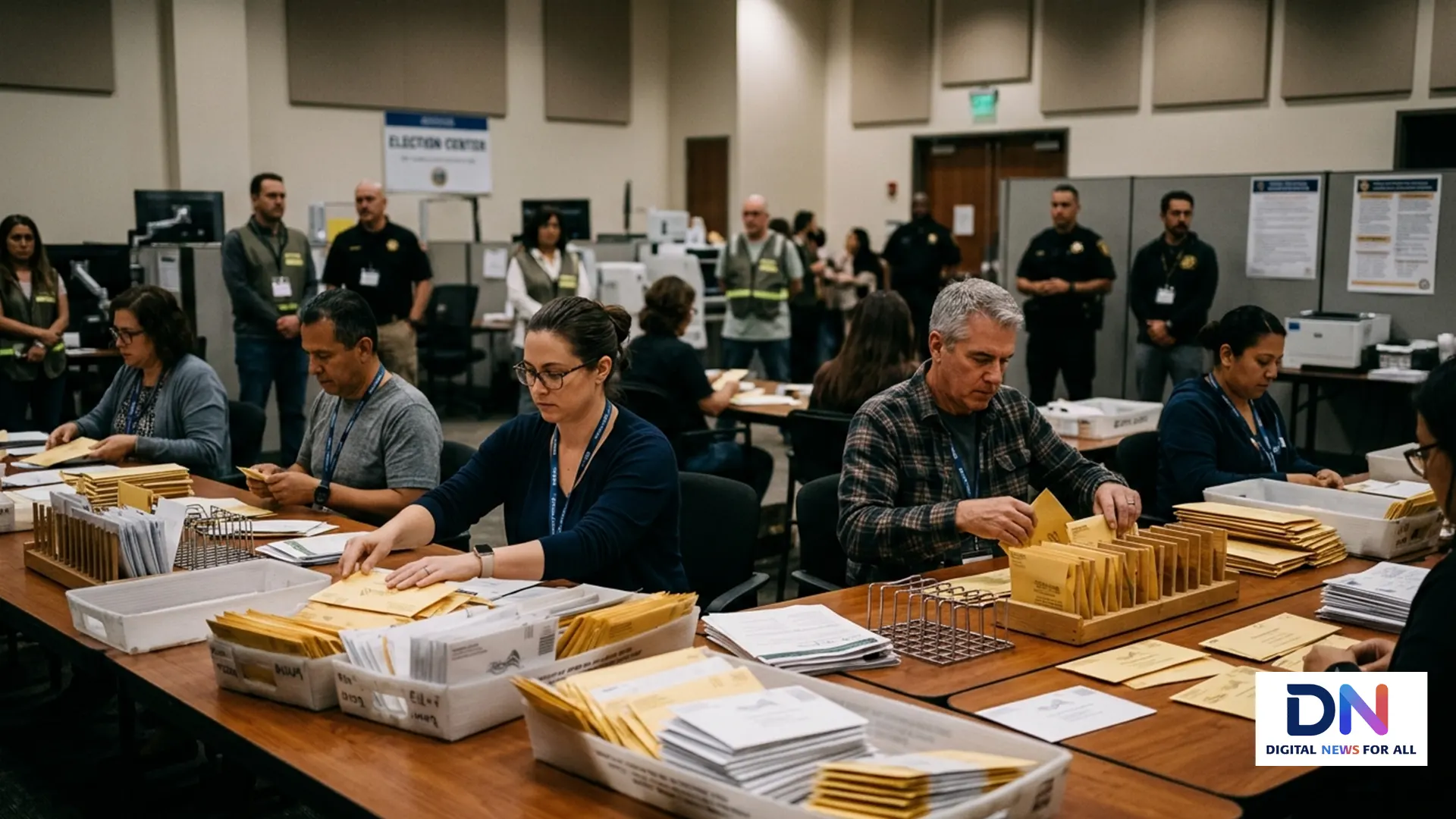
Mail-in ballot rules are at the center of a major legal debate ahead of the November 3, 2026, U.S. midterm elections. The Supreme Court has already issued important decisions affecting ballot deadlines and federal oversight of election mail. These rulings matter because they shape how states distribute, receive, and count ballots. However, they do not create one national early-voting system.
Two Supreme Court Decisions, Two Different Issues
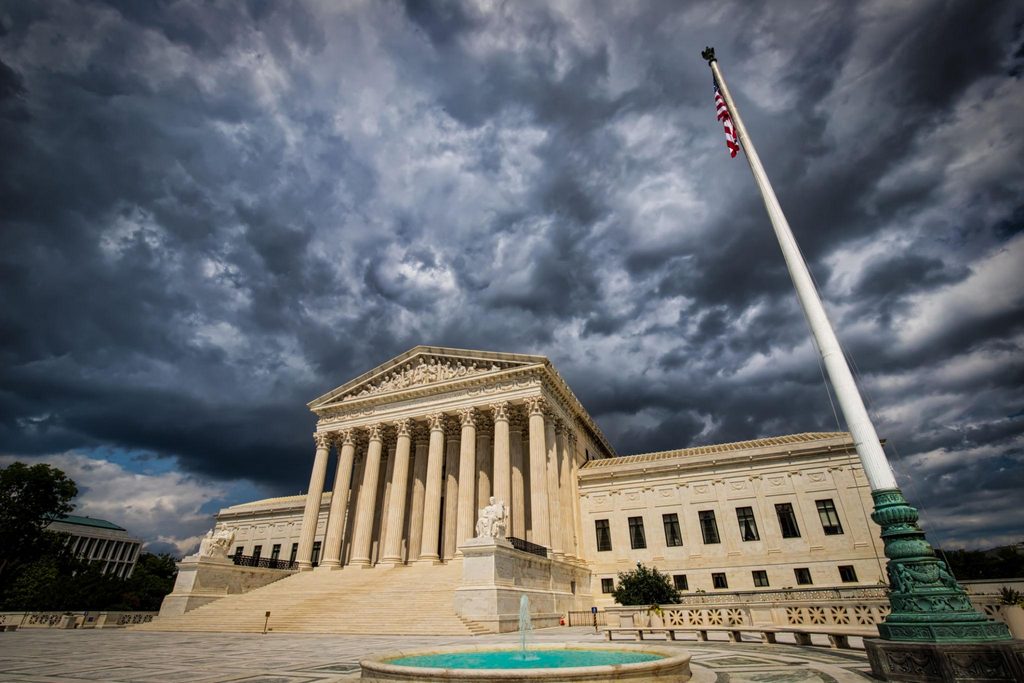
On June 29, the Supreme Court ruled in Watson v. Republican National Committee that federal election-day statutes do not prevent Mississippi from counting mail ballots postmarked by Election Day and received within five days afterward. The 5–4 decision addressed a specific state grace-period law, not a nationwide extension of voting deadlines. The published Supreme Court opinion explains the legal reasoning.
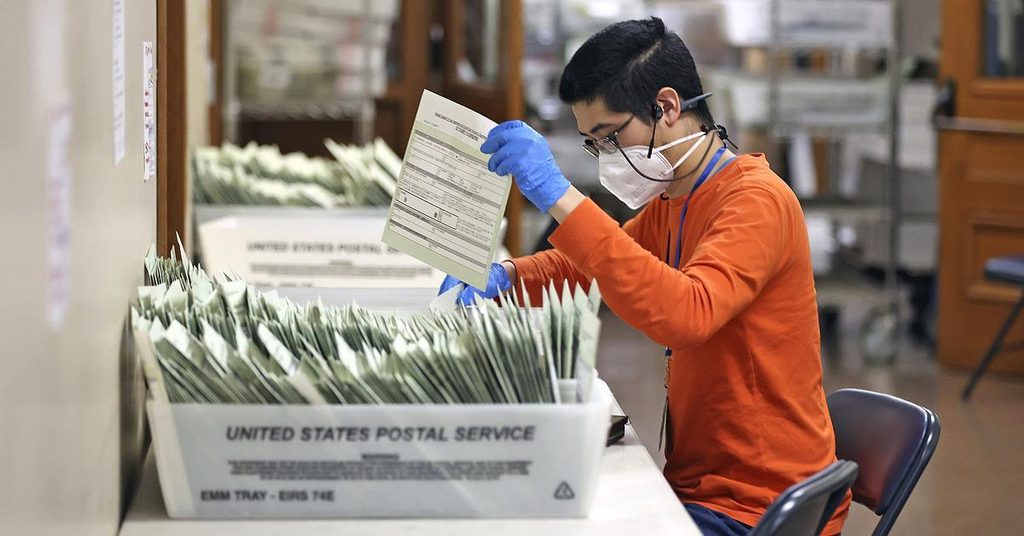
A separate dispute involved President Donald Trump’s executive order directing changes to federal election mail procedures. The Postal Service proposed requirements involving voter lists, ballot envelopes, and unique tracking barcodes. States and voting-rights organizations challenged the rules, arguing that the changes exceeded federal authority and risked disrupting established election systems.
Why the September Ruling Matters
On September 14, the Supreme Court declined to lift a lower-court injunction blocking the new USPS restrictions for the 2026 midterms. The decision left existing state mail-voting procedures in place for the November election while the legal challenges continue. Reuters reported that Justices Samuel Alito and Clarence Thomas dissented, while Justice Brett Kavanaugh wrote separately about the lack of time for election officials to implement the changes.
The Reuters report on the September decision details the court’s action. The National Conference of State Legislatures also explains the proposed requirements and their potential administrative impact.
Could Voting Rules Change Overnight?
Emergency court orders can affect election procedures quickly. Yet a Supreme Court decision does not automatically rewrite every state’s voting laws. States retain significant responsibility for administering elections, including setting registration procedures, offering early voting, and establishing ballot deadlines within federal law.
For the November 2026 election, the blocked USPS rule is not in effect. Nevertheless, litigation and future court decisions could influence election administration in later elections. The U.S. government’s absentee-voting guidance explains how voters can find their state’s procedures, while the U.S. Election Assistance Commission provides nonpartisan voter resources.
What Voters Should Do Before Election Day
Voters should check their state’s official election website for ballot-request deadlines, return options, signature requirements, and ballot-tracking services. They should also allow enough time for postal delivery. A ballot’s postmark and its arrival date can have different legal significance depending on state law.
The mail-in ballot debate is ultimately about the balance between election administration, federal authority, and access to voting. The Supreme Court has already shaped the 2026 rules, but state-specific deadlines remain essential. Before mailing a ballot, voters should verify the current instructions with their local election office rather than rely on national headlines or social media claims.
#MailInBallots #SupremeCourt #EarlyVoting #VotingRights #ElectionLaw #MidtermElections2026 #USPolitics #ElectionNews