


Georgia voting rights are becoming a major issue in the 2026 midterm elections as Democratic Senator Jon Ossoff fights to retain his seat. The November 3 contest against Republican Representative Mike Collins could influence control of the U.S. Senate. It is also unfolding amid disputes over ballot access, election oversight, and voter confidence.
Why Ossoff’s Senate Race Matters
Georgia has become a closely watched battleground in national politics. An October poll by The Atlanta Journal-Constitution found Ossoff leading Collins by 48% to 40% among likely voters. However, the result is a snapshot of opinion, not a prediction of the final outcome.
The race matters beyond the candidates themselves. Senate control affects judicial confirmations, federal legislation, and oversight of the executive branch. Georgia voters are also deciding other statewide and local contests, making participation important across the ballot.
Voting Rights Return to the Political Spotlight
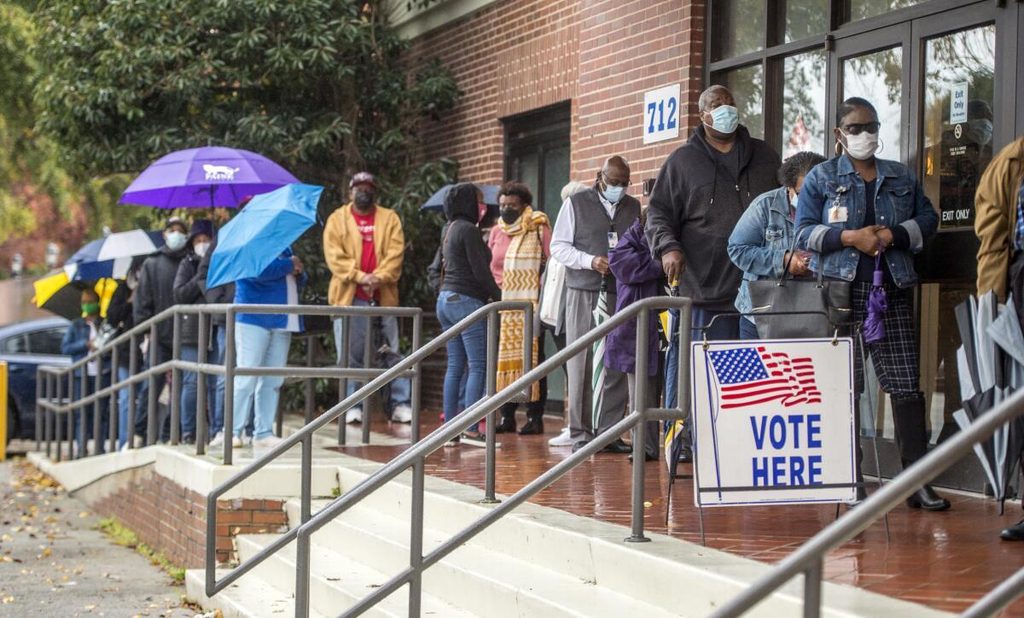
Ossoff has made voting access part of his legislative agenda. In June 2026, he reintroduced the Right to Vote Act. The proposed federal legislation would establish a statutory right to vote in federal elections and allow eligible citizens to challenge certain restrictive voting policies in court. The proposal would need to advance through Congress before becoming law.
Georgia’s election rules remain a point of contention. The state’s 2021 election law changed procedures involving absentee ballots, identification, and ballot drop boxes. Supporters argue that election rules should protect security and public confidence. Voting-rights advocates argue that some requirements can create unnecessary barriers for eligible voters.
American Oversight’s review of Georgia’s election administration outlines concerns about election oversight and rule changes. For official regulations and proposed amendments, voters can also consult the Georgia State Election Board.
What Could Shape Turnout?
Voting rules alone may not determine the Senate result. Healthcare costs, the economy, immigration, candidate credibility, and party loyalty are also influencing voters. Campaigns must motivate supporters while persuading undecided residents that their priorities will be addressed.
Legal disputes can add uncertainty, particularly when rules change close to an election. The ACLU’s Georgia election-related litigation page tracks one ongoing case concerning legal representation for election officials and poll workers.
What Georgia Voters Should Watch
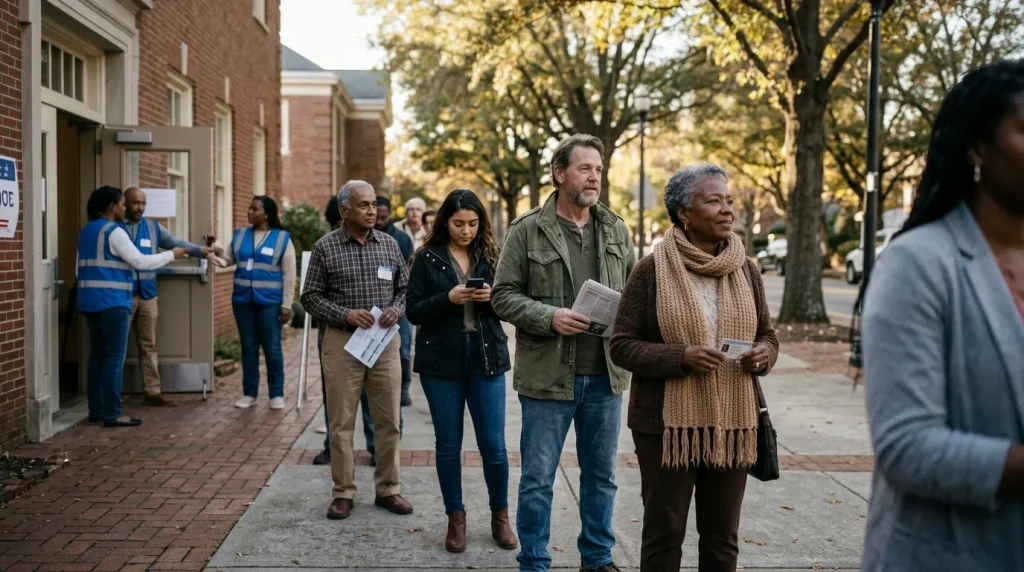
Georgia’s official election portal provides polling-place information, voting procedures, and key dates. According to Georgia.gov’s 2026 election guide, advance in-person voting ends October 30, while Election Day is November 3.
The broader stakes are clear: Ossoff’s race combines a consequential Senate contest with a continuing debate over how elections should be administered. The final result will depend on voter choices and turnout, while the voting-rights debate will continue through legislation, court cases, and state election policy.
#JonOssoff #GeorgiaPolitics #VotingRights #GeorgiaSenateRace #MidtermElections2026 #VotingAccess #ElectionNews #USPolitics