


The California ballot probe has become a major election story ahead of the November 3, 2026, midterms. Federal investigators are examining allegations that noncitizens may have registered or voted in federal elections. The dispute has triggered subpoenas, lawsuits, and a wider debate over election oversight. However, a name appearing on a federal list does not establish that the person illegally voted.
Why Federal Investigators Are Examining California
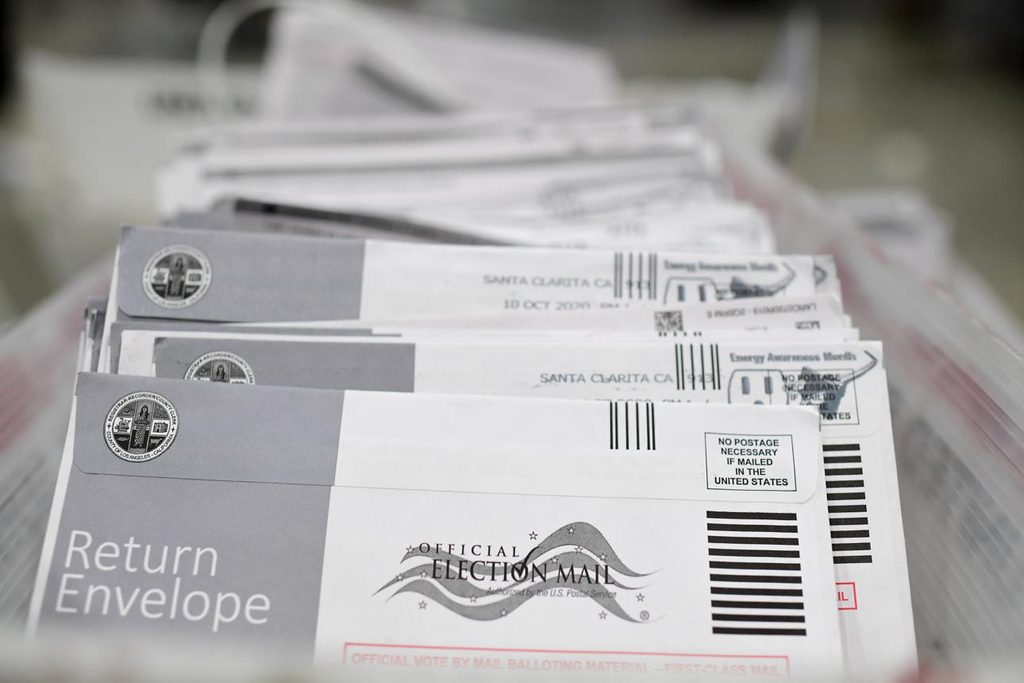
On October 15, the Justice Department sued California, alleging that more than 20,000 people identified as likely noncitizens were registered and had been sent mail ballots. The department asked a federal court to prevent the state from counting ballots associated with those individuals until their citizenship could be verified. These are federal allegations, not 20,000 proven cases of illegal voting. The government’s position is described in its official lawsuit announcement.
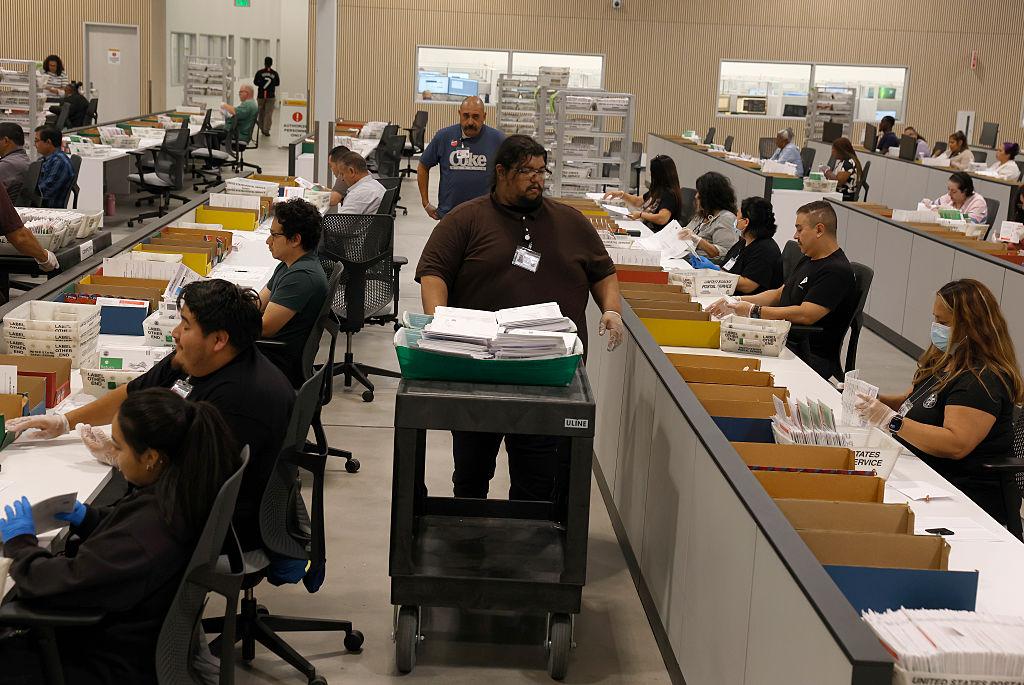
The dispute escalated on October 29, when the Justice Department issued grand jury subpoenas seeking records from Los Angeles County election officials. Reuters reported that the requests concern how the county identifies potentially unlawful voting and responds to federal demands. CBS News also reported that the subpoenas seek communications and documents about the investigation.
The Court Dispute Over Mail Ballots
California officials have challenged the federal government’s methods and the reliability of its data. They argue that broad action against flagged registrations could affect eligible citizens. A federal judge rejected the administration’s request to set aside the approximately 20,000 ballots. The legal dispute has continued through the appeals process and further court proceedings. The Associated Press report on the subpoenas and court dispute explains the latest developments.
The legal question extends beyond California. It concerns how federal authorities can investigate alleged violations while states retain responsibility for administering elections. The U.S. government’s voter eligibility guidance confirms that noncitizens cannot vote in federal elections. At the same time, allegations must be assessed using reliable evidence and proper legal procedures.
What This Means for Eligible Voters
For eligible California voters, the investigation does not automatically cancel a ballot or change the basic rules for voting. State law requires U.S. citizenship to register. The California Secretary of State explains the state’s eligibility requirements. Its Voter Bill of Rights also outlines protections for registered voters, including provisional voting when a name is missing from the list.
Voters should check their registration, track their ballot through their county election office, and follow official instructions if contacted about eligibility. They should not rely on unverified social media claims or assume that a federal investigation means their vote has been rejected.
Election Oversight Beyond Election Day
The California ballot probe highlights the tension between election security, federal investigative authority, and the protection of eligible voters. The outcome of the court proceedings may shape future disputes over voter records and ballot administration. For now, voters should distinguish documented court decisions from allegations and use official election channels for practical guidance. The central principle remains that eligible citizens must be able to cast a ballot and have it counted according to the law.
#CaliforniaElections #MailInBallots #VotingRights #ElectionSecurity #DOJ #MidtermElections2026 #VoterProtection #USPolitics