

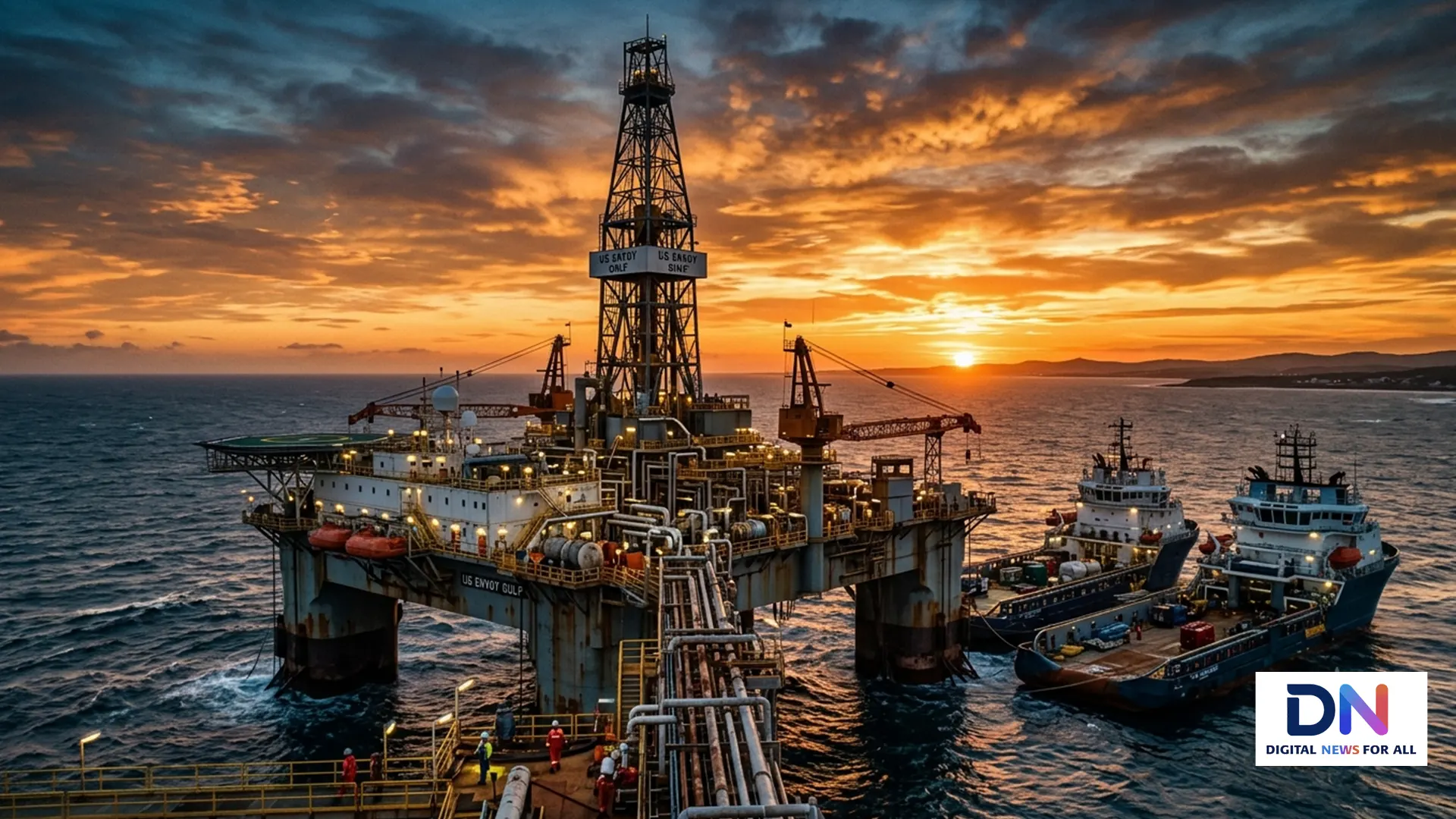
Offshore drilling permits are becoming a major focus of America’s energy policy debate. As Washington pushes to expand domestic oil and gas production, disagreements over environmental safeguards, federal oversight, and coastal protections could complicate the industry’s next phase.
The Trump administration is pursuing expanded offshore leasing. However, securing a lease is only the beginning. Energy companies must still obtain regulatory approval for exploration and development activities before commercial drilling can proceed.
Washington Is Expanding Offshore Leasing
The One Big Beautiful Bill Act, signed in 2025, requires the federal government to conduct 36 offshore oil and gas lease sales in the Gulf of America and Alaska’s Cook Inlet through 2040.
According to the Bureau of Ocean Energy Management (BOEM), the law establishes a schedule of sales intended to provide greater certainty for energy companies and support domestic production.
Separately, the Interior Department has proposed a new 2026–2031 offshore leasing program. Its initial proposal includes as many as 34 potential lease sales across Alaska, the Gulf, and the Pacific. However, this proposal has not received final approval.
The BOEM program tracker shows that additional analysis and approval steps remain before the new five-year program becomes final.
Leases Do Not Automatically Approve Drilling
One important distinction often disappears in political discussions: offshore leasing and drilling permits are separate regulatory stages.
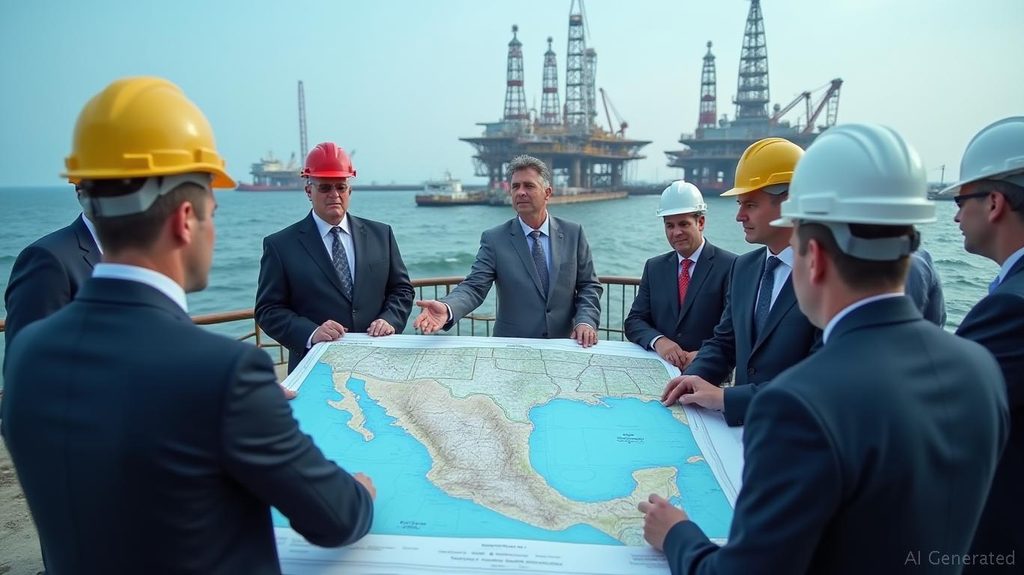
Companies first compete for rights to explore specific federal offshore areas. After acquiring a lease, they must submit detailed exploration or development plans for agency review.
BOEM manages offshore resource leasing and reviews development plans. The Bureau of Safety and Environmental Enforcement oversees operational safety and environmental compliance.
The Bureau of Safety and Environmental Enforcement conducts inspections and enforces offshore safety requirements. These reviews matter because drilling operations can affect marine ecosystems, coastal economies, and workers.
For companies, the permitting process can influence project costs, investment decisions, and production timelines.
Environmental Oversight Remains Controversial
Environmental organizations warn that faster approvals could weaken safeguards against oil spills and damage to marine habitats. Fishing communities and coastal businesses also have concerns about potential environmental and economic disruption.
Meanwhile, energy industry representatives argue that overlapping agency responsibilities can create unnecessary delays and uncertainty.
In April 2026, the administration announced plans to combine BOEM and BSEE functions into a new Marine Minerals Administration. The proposal has drawn criticism because the agencies were separated after the 2010 Deepwater Horizon disaster.
The Associated Press reported that industry groups welcomed the proposed consolidation, while environmental advocates warned about potential conflicts between resource development and regulatory oversight.
The Next Battle Will Be Over Implementation
Congress has established a long-term leasing mandate, but regulators still determine how individual projects proceed. State governments can also influence the process through statutory consultation and public comments on proposed lease sales.
A Federal Register notice published October 9, 2026, opened review of a proposed Gulf lease sale scheduled for March 2027. State and local officials have until December 8, 2026, to submit comments on its proposed terms and location.
The Congressional Research Service explains that federal offshore leasing decisions must consider economic, social, and environmental factors.
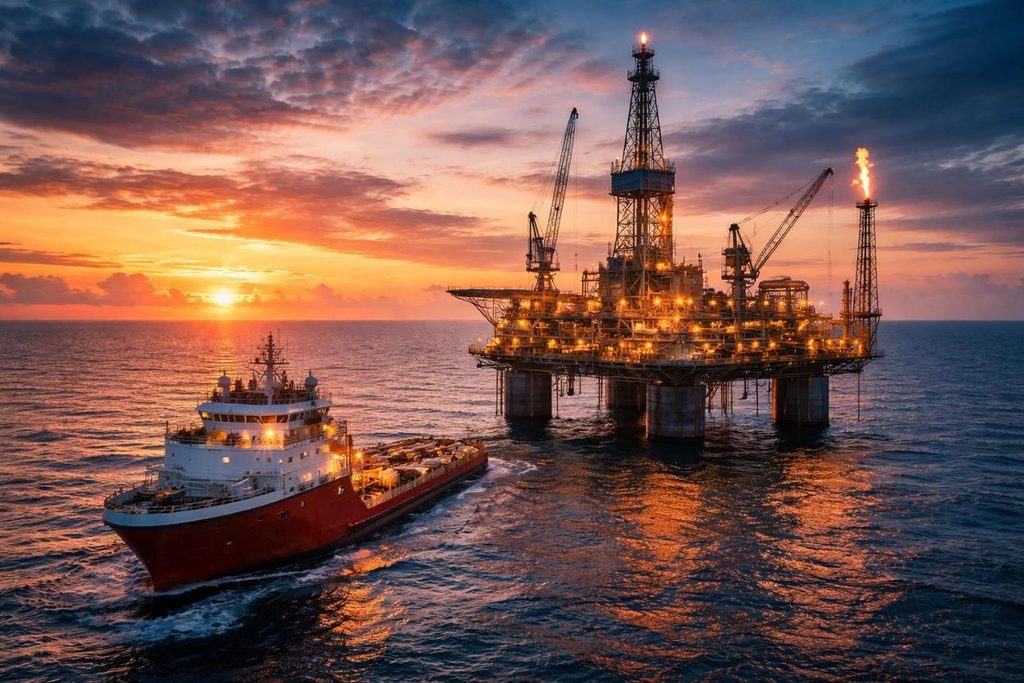
Ultimately, offshore drilling policy will depend on how Washington balances energy security, investment certainty, coastal protection, and regulatory accountability. More leases may create opportunities for producers, but the path from a federal lease to an operating drilling platform remains subject to review.
#OffshoreDrilling #EnergyPolicy #OilAndGas #BOEM #FederalPermits #EnergySecurity #EnvironmentalRegulation #GulfOfAmerica #USPolitics