

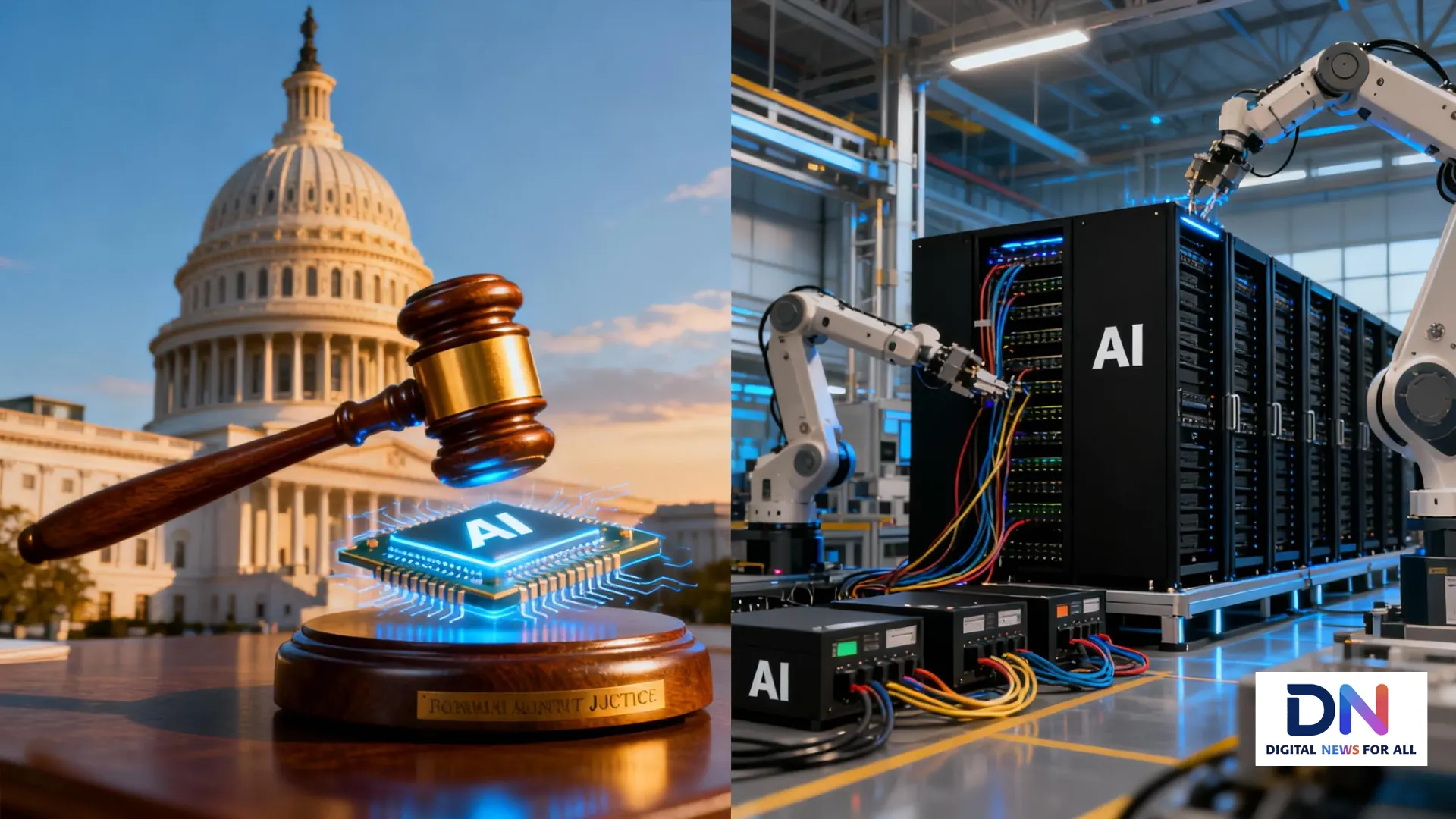
America’s technology industry is preparing for a tougher political environment after Democrats won control of both chambers of Congress in the November 2026 midterm elections. Artificial intelligence, data-center expansion, consumer privacy, and corporate influence are emerging as major targets for congressional scrutiny.
The incoming majority has promised stronger oversight of powerful technology companies. However, the biggest immediate impact may come from investigations and public hearings rather than sweeping new laws.
AI Companies Face Stronger Congressional Scrutiny
Democratic lawmakers have increasingly called for stronger safeguards around advanced artificial intelligence. Their concerns include unsafe AI systems, misleading outputs, cybersecurity vulnerabilities, and the potential effects on employment.
Senator Maria Cantwell outlined a federal AI safety framework in October 2026. Her proposal includes independent testing, safety standards, and mandatory reporting of serious incidents. The Roll Call report explains how the framework could give federal agencies a larger role in evaluating advanced AI models.
Meanwhile, incoming lawmakers are discussing investigations into the technology industry’s political influence and relationships with government officials. The Washington Post’s November 4 analysis identifies AI safety and corporate accountability as important priorities for the new Congress.
Data Centers Could Become a Major Battleground
The AI boom requires enormous computing infrastructure. New data centers consume electricity and water, placing pressure on local communities and utility systems.
Representative Frank Pallone has advocated stronger federal safeguards, including pollution standards, siting requirements, and protections against higher electricity costs for households.
In September, Representative Jamie Raskin also questioned Amazon, Google, Meta, and Oracle about confidentiality agreements involving local officials and proposed data-center developments. His investigation raised concerns about public access to information concerning electricity demand, water consumption, and taxpayer incentives.
The House Judiciary Democrats’ announcement details the investigation.
Children’s Safety and Consumer Protection
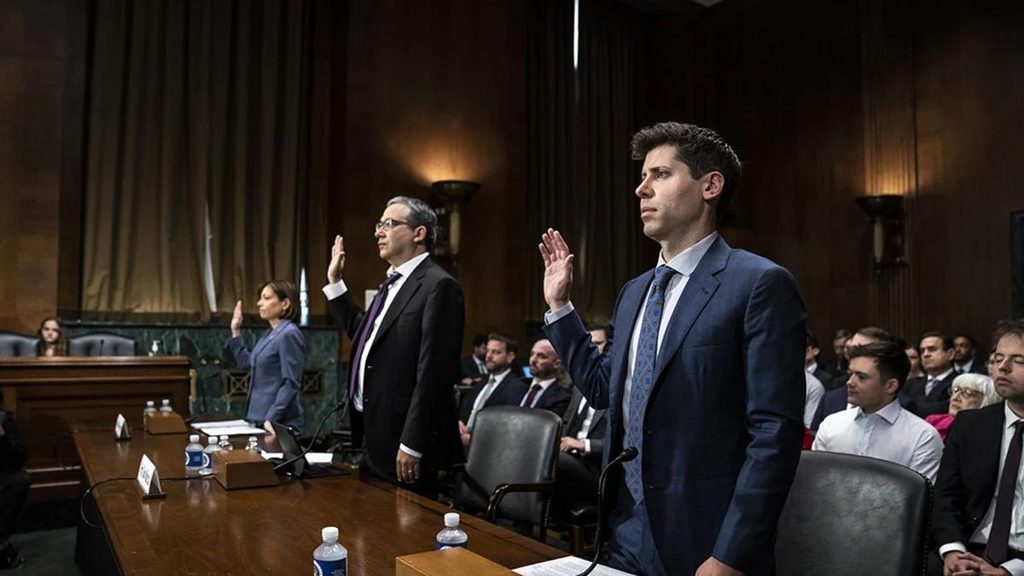
AI chatbots and social platforms are also attracting bipartisan attention. Lawmakers have raised concerns about children’s exposure to harmful content, emotional dependence on AI companions, and the collection of personal information.
Congressional committees may revisit proposals such as the Kids Online Safety Act and legislation governing AI chatbot services. These measures could increase compliance obligations for major platforms.
Privacy advocates are also pushing for greater transparency around automated decisions and the use of personal information to train AI systems.
Why Oversight May Move Faster Than Legislation
Even with Democratic control of Congress, passing major technology legislation will remain difficult. President Donald Trump retains the power to veto bills, creating another obstacle for proposals opposed by the administration.
A Fenwick analysis of the 2027 congressional outlook identifies investigations, hearings, and document requests as likely tools of the incoming majority.
The Verge’s post-election technology policy analysis also highlights potential scrutiny of AI companies, antitrust issues, privacy, and data-center expansion.
For Big Tech, the political environment is changing. Companies may face greater pressure to explain their business practices, infrastructure costs, and safety policies. Whether that pressure produces lasting federal regulation will depend on bipartisan cooperation, legislative negotiations, and the administration’s response.
#BigTech #AIRegulation #ArtificialIntelligence #Congress #TechPolicy #AISafety #DataCenters #ConsumerPrivacy #Antitrust #USPolitics