

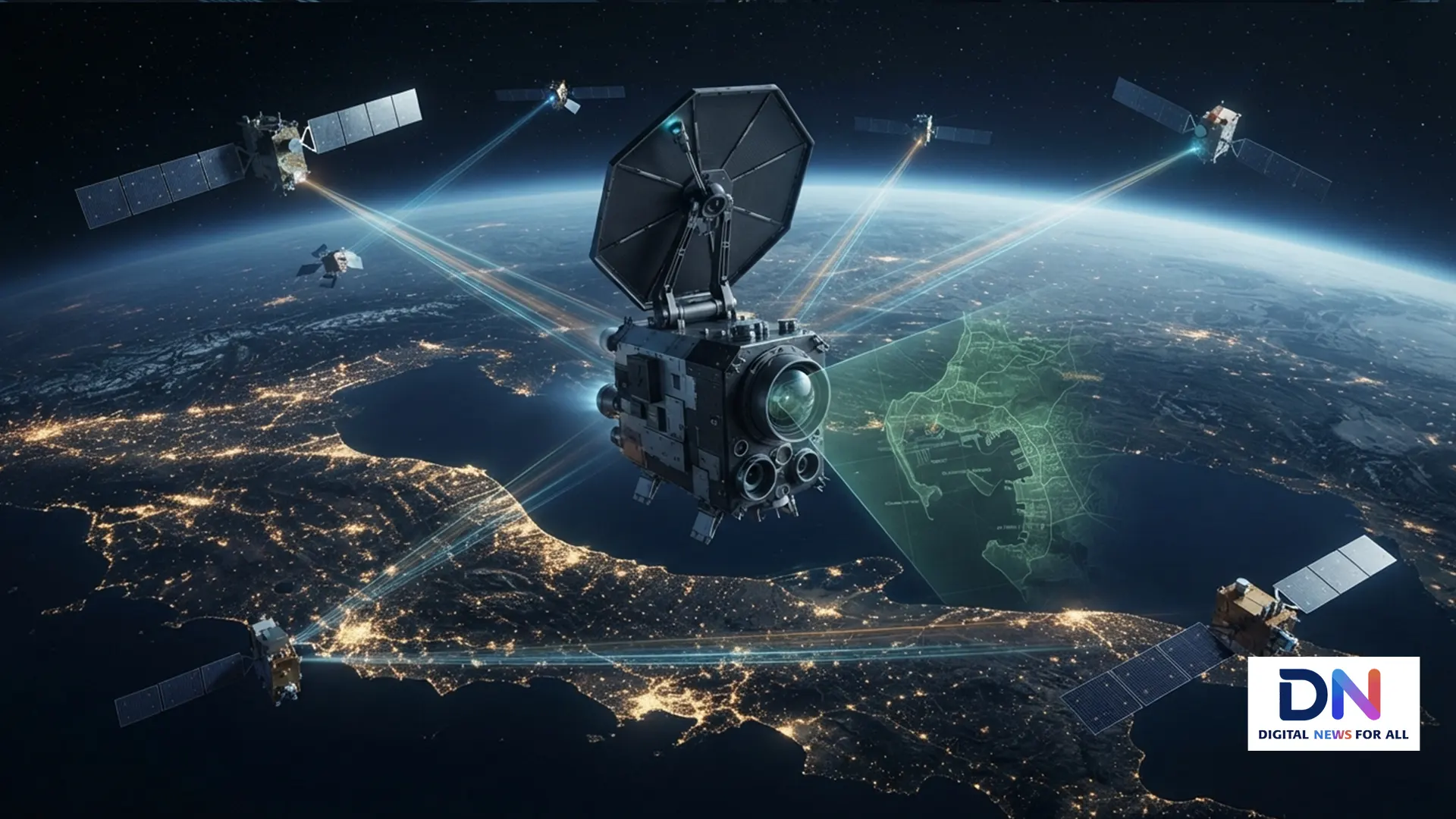
The United States has acknowledged something it has never publicly confirmed before: space weapons are now deployed in orbit. Air Force Secretary Troy Meink made the disclosure on September 14, 2026, describing them as “on-orbit space control weapons” capable of defending U.S. forces against hostile action.
The announcement is significant, but much remains classified. Meink did not identify the weapons, reveal how many exist, explain when they were deployed or say whether they have been tested. That leaves the world with an important confirmation but few technical details.
What Are Space Control Weapons?
The phrase “space control” can cover a broad range of military capabilities. Possible systems include electronic jammers, lasers, signal-disruption technologies and other systems designed to interfere with an adversary’s space assets.
Importantly, the Pentagon has not publicly confirmed which technology is aboard the newly acknowledged systems. Analysts have noted that non-kinetic options could be attractive because physically destroying satellites can create dangerous orbital debris.
The U.S. Space Force increasingly treats space as an essential military operating domain. Satellites support communications, navigation, intelligence, surveillance and missile warning.
Why China and Russia Matter
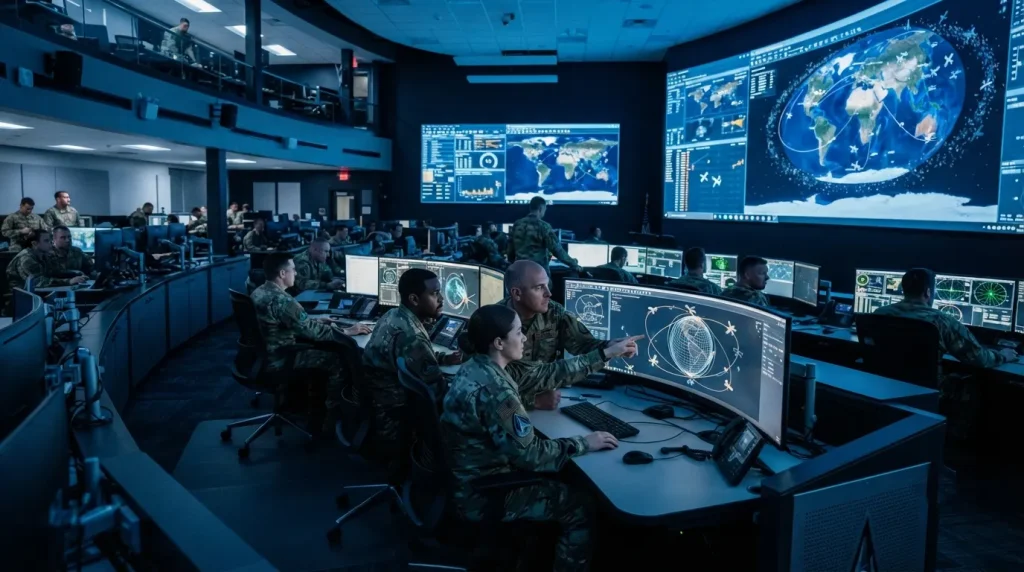
Washington says the disclosure is partly about deterrence. U.S. officials have repeatedly raised concerns about Russian and Chinese counterspace capabilities, including maneuverable satellites and technologies that could interfere with other spacecraft. The Space Force’s threat assessment describes several developments involving Russian military satellites.
A 2026 assessment from the Secure World Foundation also documents the expanding counterspace capabilities of multiple countries.
China has responded to the U.S. disclosure by warning that deploying weapons in space could contribute to an arms race. Russia has likewise criticized the move and raised concerns about the consequences for international stability. These are the governments’ stated positions, rather than independently established conclusions about the intent of the U.S. deployment.
What It Means for Global Security
The development could change strategic calculations because military operations on Earth increasingly depend on satellites. Disabling an adversary’s space infrastructure could affect communications, navigation, intelligence and targeting.
At the same time, weapons in orbit create new escalation risks. A conflict involving satellites could generate debris, disrupt commercial spacecraft and affect civilian services far beyond the original military confrontation.
The United Nations Office for Outer Space Affairs identifies the 1967 Outer Space Treaty as a foundation of international space law. The treaty prohibits placing nuclear weapons and other weapons of mass destruction in orbit, while conventional military capabilities occupy a more complicated legal area.
A New Era of Orbital Competition
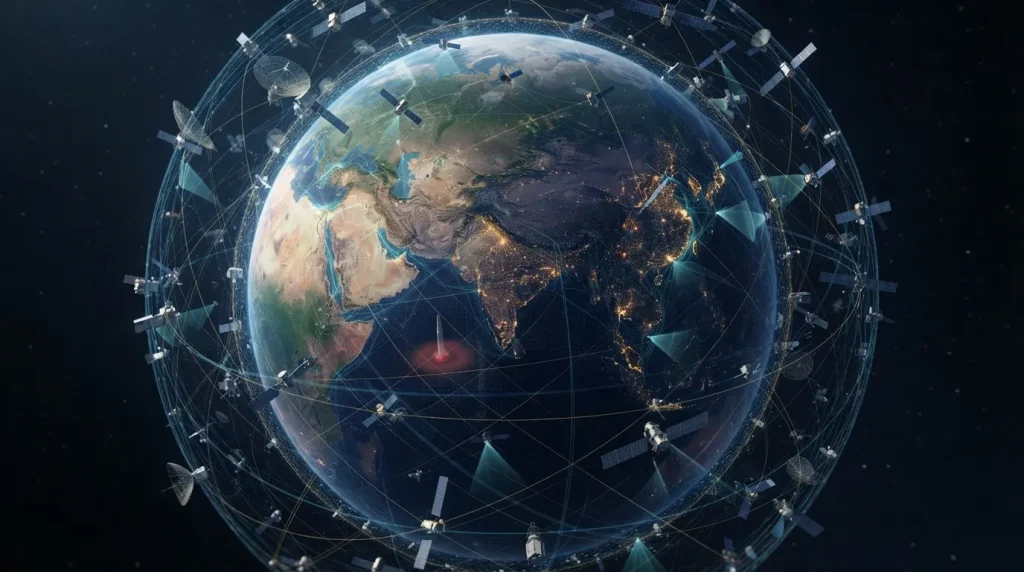
The U.S. announcement does not establish that space warfare is inevitable. It does show that major powers increasingly view the orbital environment as a contested strategic domain.
For the United States, the stated objective is deterrence and the ability to protect forces and satellites. For other countries, however, the same deployment can be interpreted as another step toward militarizing orbit.
The biggest story may therefore be what remains undisclosed. Until Washington reveals more about the systems, their capabilities and their intended targets, the global security implications will remain difficult to measure precisely. What is clear is that the era when orbital weapons were discussed mainly as a future possibility has changed.
#SpaceWeapons #USMilitary #SpaceForce #SpaceWarfare #GlobalSecurity #China #Russia #OrbitalWarfare #DefenseNews