

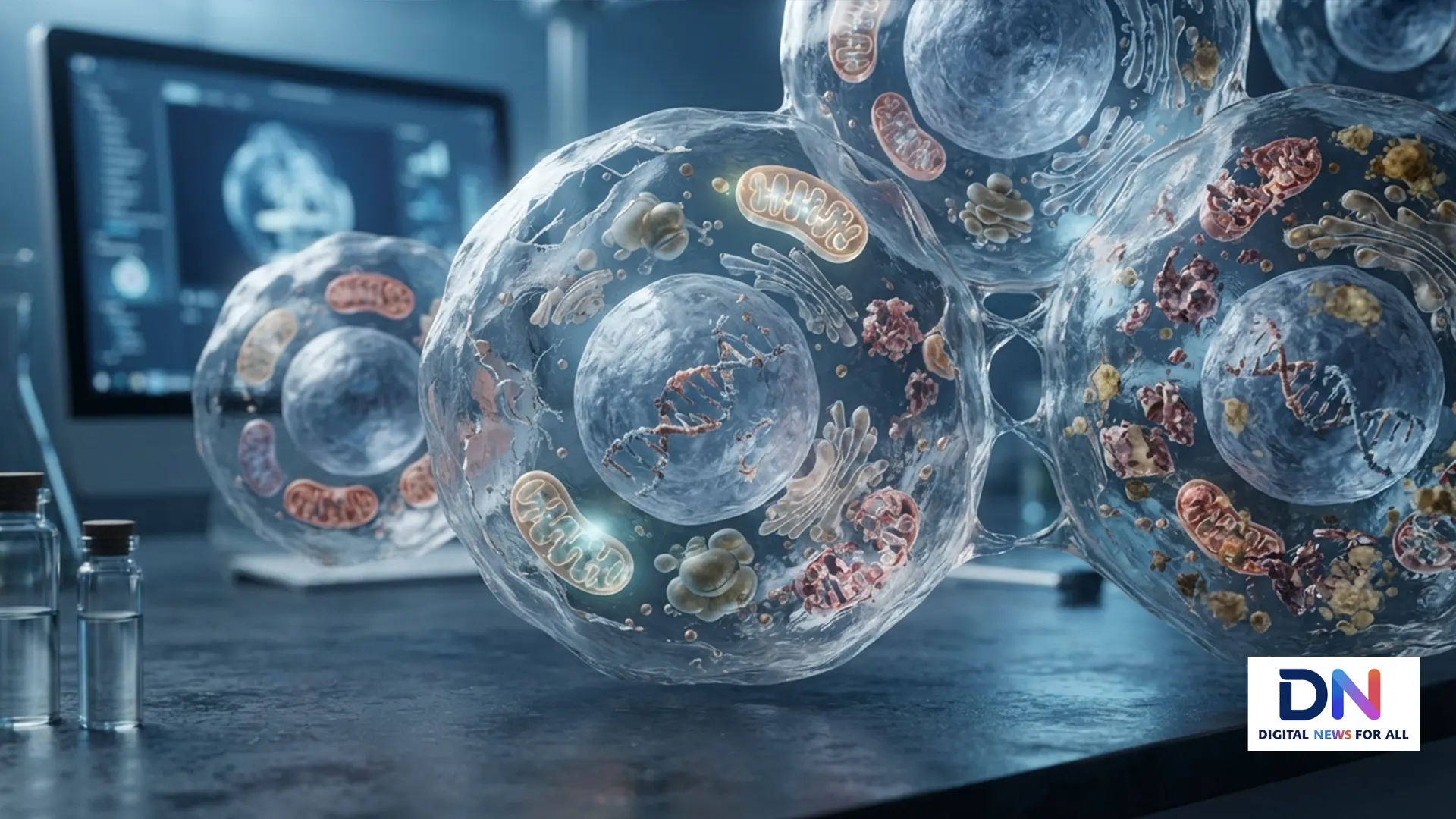
Aging can seem inevitable, but scientists increasingly view it as a complex biological process rather than a single countdown clock. Inside the human body, cells constantly repair damage, recycle worn-out components and replace defective molecules. Over time, however, those systems become less efficient. Small failures begin to accumulate, eventually affecting tissues, organs and the body’s ability to maintain itself.
Researchers are now studying this gradual breakdown to understand why we age and whether some aspects of biological aging can be slowed. The goal is not simply to find a “fountain of youth,” but to understand why diseases such as cancer, cardiovascular disease and neurodegeneration become more common as people grow older.
Aging Is More Than Getting Older
Chronological age tells us how many years a person has lived. Biological aging is different. It describes the gradual changes taking place inside cells and tissues.
The National Institute on Aging explains that aging involves changes at molecular, cellular and organismal levels. Scientists are investigating how these changes interact rather than searching for one single cause.
DNA Damage and Cellular Stress
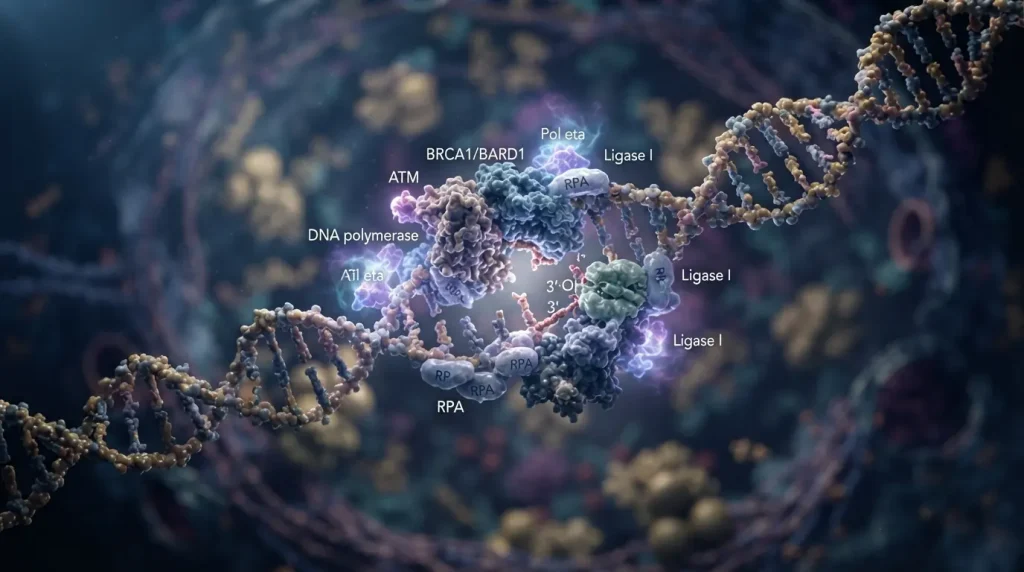
Every cell experiences damage during normal life. DNA can be altered by environmental exposures and ordinary cellular processes. Cells have sophisticated repair mechanisms, but those systems are not perfect.
According to the National Human Genome Research Institute, cells constantly detect and repair damage to DNA. When damage becomes difficult to repair, mutations and other cellular problems can accumulate.
Cells Can Stop Dividing
Another important part of the aging process involves cellular senescence. Senescent cells stop dividing but do not necessarily disappear. Some can release molecules that influence neighboring cells and contribute to changes in tissue environments.
Research supported by the National Institute on Aging is examining how senescent cells contribute to aging and age-related disease. Scientists are also investigating whether targeting these cells could eventually become a therapeutic strategy.
The Cellular Recycling System Weakens
Cells also have their own recycling machinery. A process called autophagy helps cells break down and recycle damaged or unnecessary components.
The Nobel Prize recognized research into autophagy for revealing important mechanisms involved in cellular degradation and recycling. Researchers continue to investigate how changes in these processes relate to aging and disease.
Inflammation May Become Part of the Problem
Inflammation is essential when the body needs to respond to injury or infection. The problem can arise when inflammatory activity becomes persistent.
Researchers often use the term “inflammaging” to describe chronic, low-level inflammation associated with aging. The National Institute on Aging studies the relationship between inflammation, aging and age-related conditions.
Why Mitochondria Matter
Mitochondria are structures inside cells that help produce energy. They also participate in several other important cellular processes.
As cells age, mitochondrial function can change. Scientists are studying whether mitochondrial dysfunction contributes to declining cellular resilience and how these changes interact with other aging mechanisms.
Aging Is a Network of Problems
The most important scientific shift may be the recognition that aging is not controlled by one biological switch. DNA damage, cellular senescence, inflammation, mitochondrial changes, altered communication between cells and declining repair mechanisms can interact with one another.
The Hallmarks of Aging framework organizes many of these interconnected processes into a broader model for understanding biological aging.
Can Science Slow Biological Aging?
This is where the science becomes particularly interesting — and where caution is necessary. Researchers are investigating interventions involving metabolism, cellular recycling, senescent cells, inflammation and other pathways. Some approaches have produced intriguing findings in laboratory animals, but promising laboratory research does not automatically translate into proven treatments for healthy people.
The National Institute on Aging’s Interventions Testing Program evaluates potential interventions in animal models to identify compounds that may influence lifespan and healthspan.
The Future May Be About Healthspan
Rather than simply trying to extend the number of years people live, aging researchers increasingly focus on healthspan — the portion of life spent in good health and functional independence.
Understanding why we age could eventually help scientists develop better strategies for delaying age-related diseases and maintaining function for longer. But today’s research does not mean that aging has been solved or that dramatic life extension is around the corner.
Aging appears to emerge from a complicated network of cellular changes rather than one hidden biological cause. As scientists learn more about DNA repair, senescence, inflammation, mitochondria and cellular recycling, they are gradually building a clearer picture of what happens inside the body over decades. The biggest future breakthrough may not be stopping aging altogether, but helping people remain healthy for more of the years they have.
#AgingResearch #LongevityScience #HealthyAging #ScienceNews #Biology #CellularAging #HumanHealth #DNA #Biotechnology #MedicalResearch #Healthspan