

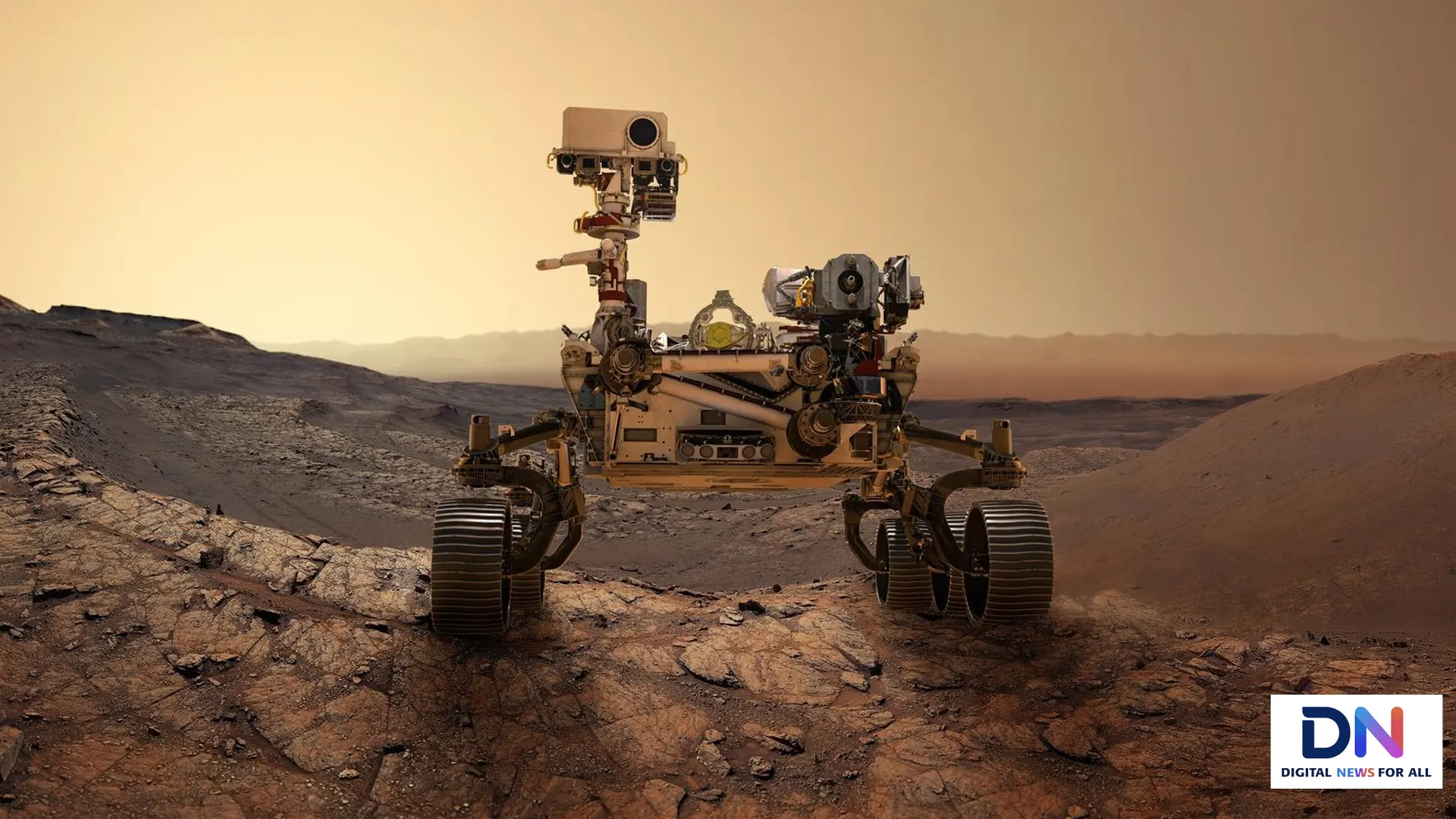
The Perseverance rover has made space exploration history by driving farther across another world than any vehicle before it. On October 11, 2026, NASA’s six-wheeled Mars explorer reached 28.10 miles (45.22 kilometers), surpassing the record held by the Opportunity rover. The milestone highlights major advances in robotic navigation and opens new opportunities to investigate Mars’ ancient environment.
According to NASA’s Jet Propulsion Laboratory, Opportunity covered 28.06 miles during its nearly 15-year mission. Perseverance surpassed that distance in approximately five and a half years.
Autonomous Navigation Makes the Difference
The Perseverance rover relies on advanced autonomous navigation technology known as AutoNav. The system processes images, identifies obstacles and selects safer routes across rocky, uneven terrain. This capability reduces the need for engineers on Earth to plan every movement.
NASA reports that the rover has completed more than 90% of its driving autonomously. Its navigation system can evaluate hundreds of thousands of terrain measurements, helping it travel efficiently through areas filled with rocks and sand.
NASA’s Mars mission team also describes software improvements that help the rover manage difficult slopes, navigate boulder fields and determine its position using orbital imagery.
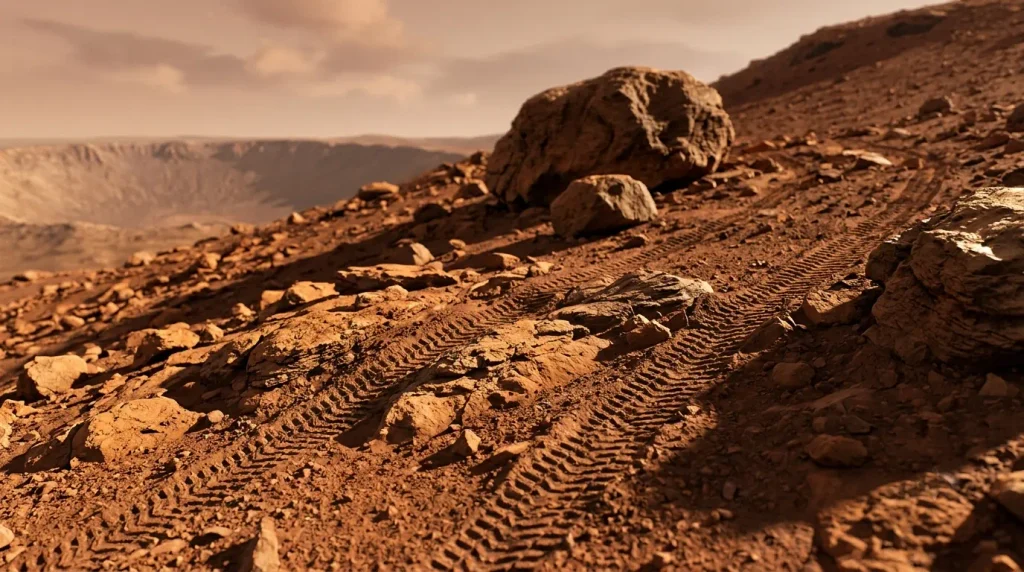
Why the 28-Mile Record Matters
The record is more than a distance milestone. Longer drives allow scientists to reach additional geological formations, examine more rock samples and investigate regions that may preserve evidence of ancient Martian environments.
Perseverance is exploring Jezero Crater, an area that once contained a lake and river delta. Scientists are studying its rocks to understand the planet’s watery past and assess whether conditions could once have supported microbial life.
NASA’s official Perseverance mission page explains how the rover collects and analyzes geological samples. The agency has also identified a potential biosignature in a rock called Cheyava Falls, although this is not confirmed evidence of past life.
Exploring Ancient Martian Terrain
Perseverance has moved from the crater’s ancient lakebed through a fossilized river system and toward the crater rim. The region contains exceptionally old rocks that could reveal details about the early solar system.
Caltech’s analysis of the record highlights the scientific importance of the ancient terrain now under investigation. Meanwhile, NASA’s October 2026 route animation illustrates the rover’s journey across the Martian landscape.
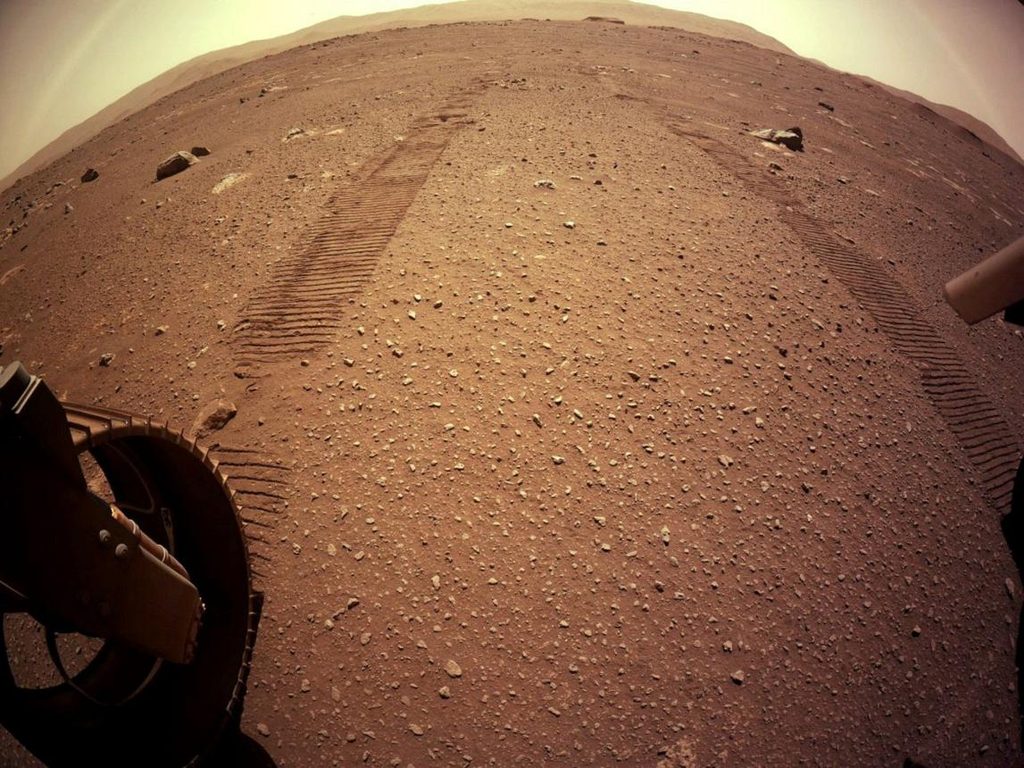
What Comes Next for NASA?
NASA has approved an extended mission that is expected to continue through approximately the end of 2028. Perseverance will investigate the crater rim and explore locations that may preserve evidence of ancient hydrothermal activity.
Reuters’ coverage of the milestone emphasizes the role of autonomous driving in extending the rover’s scientific reach.
For NASA, the ultimate achievement is not simply driving farther. Every additional mile creates new opportunities to study Mars, understand its history and investigate whether life could once have existed beyond Earth.
#NASA #PerseveranceRover #Mars #MarsExploration #SpaceScience #JezeroCrater #Robotics #PlanetaryScience #SpaceNews