

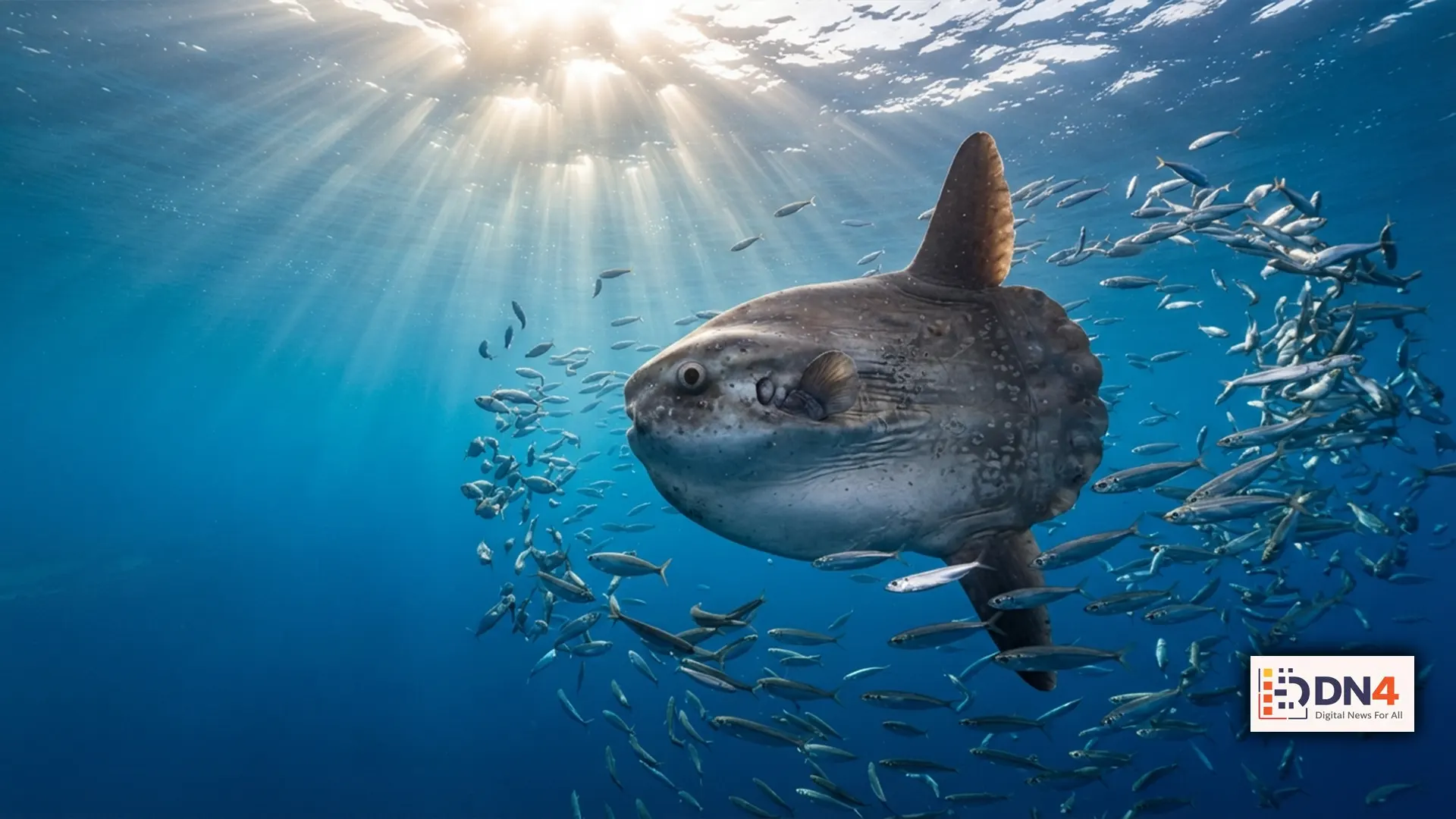
Floating gracefully near the ocean’s surface, the Mola mola, commonly known as the ocean sunfish, is one of Earth’s most unusual marine creatures. It is also the world’s heaviest bony fish. Adult Mola mola can weigh more than 2,000 kilograms (4,400 pounds). Despite their enormous size and global distribution, marine biologists are becoming increasingly concerned. Growing environmental pressures could threaten local populations and disrupt the delicate marine ecosystems these gentle giants call home.
Although the Mola mola is not currently classified as globally endangered, recent research points to growing regional threats. These include accidental fishing, marine pollution, habitat changes, and warming oceans. Therefore, conservation experts believe stronger monitoring and international cooperation are essential to protect the species for future generations.
Why the Ocean Sunfish Is So Unique
The Mola mola is instantly recognizable because of its flattened, disc-shaped body and slow, graceful movements. It lives in temperate and tropical oceans around the world. These giant fish mainly feed on jellyfish, small fish, crustaceans, and plankton. According to the National Oceanic and Atmospheric Administration (NOAA), ocean sunfish also help regulate jellyfish populations. As a result, they play an important role in maintaining healthy marine ecosystems.
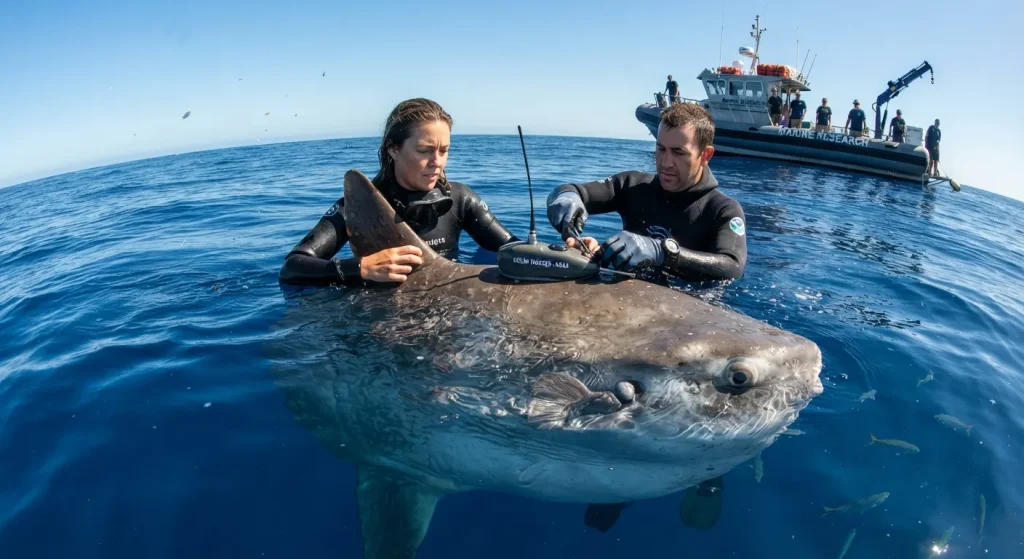
Growing Threats Across the World’s Oceans
However, one of the greatest dangers facing the Mola mola is accidental capture, also known as bycatch. Commercial fishing vessels targeting tuna, swordfish, and other pelagic species often catch ocean sunfish unintentionally. Research published by the Food and Agriculture Organization (FAO) identifies bycatch as a major conservation challenge affecting marine wildlife worldwide.
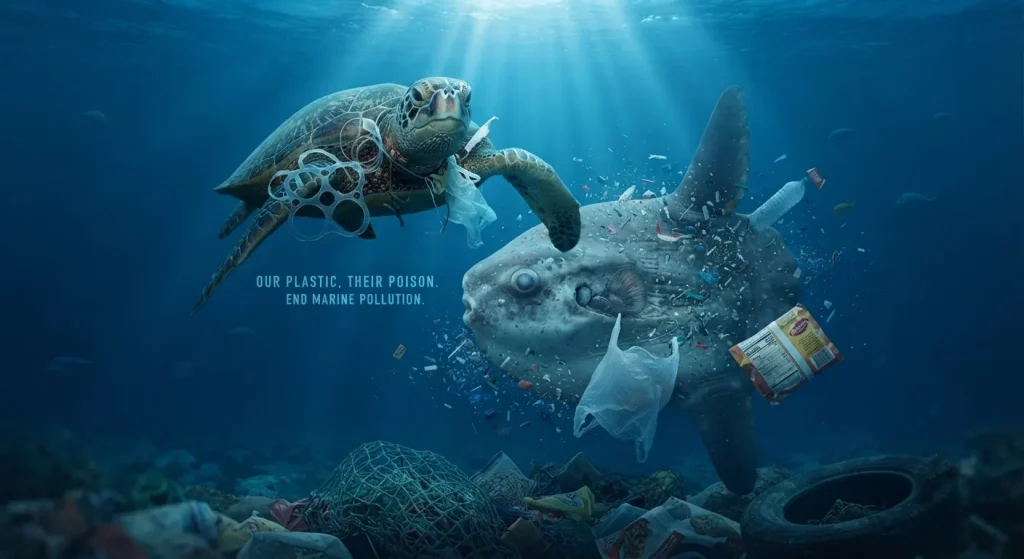
In addition, plastic pollution is becoming an even greater threat. Ocean sunfish sometimes mistake floating plastic bags for jellyfish. Consequently, swallowing plastic can cause internal injuries, starvation, or death. The United Nations Environment Programme (UNEP) continues to warn about the growing impact of plastic waste on marine biodiversity.
Climate Change Is Altering Ocean Habitats
Meanwhile, rising sea temperatures and changing ocean currents are reshaping marine ecosystems across the globe. Scientists believe these changes could affect where Mola mola feed, migrate, and reproduce. According to the NASA Climate Program and the NOAA, warming oceans are already influencing countless marine species, from tiny plankton to large migratory fish.
Why Conservation Matters
Although Mola mola populations remain widespread, scientists stress that early conservation efforts are far more effective than emergency recovery plans. Marine protected areas, sustainable fishing practices, and international research partnerships continue improving knowledge of the species’ migration patterns and population trends.
Furthermore, organizations such as the International Union for Conservation of Nature (IUCN) and the Marine Megafauna Foundation support research and conservation programs designed to protect vulnerable marine wildlife.
A Shared Responsibility for Ocean Health
Ultimately, the future of the remarkable Mola mola depends on healthy oceans. Reducing plastic pollution, promoting sustainable fisheries, and expanding marine research will benefit not only ocean sunfish but countless other marine species. As scientists continue uncovering new insights, protecting these gentle giants will also help preserve the biodiversity of our blue planet for generations to come.
#MolaMola #OceanSunfish #MarineBiology #OceanConservation #Wildlife #ClimateChange #MarineLife #ScienceNews #Ocean