

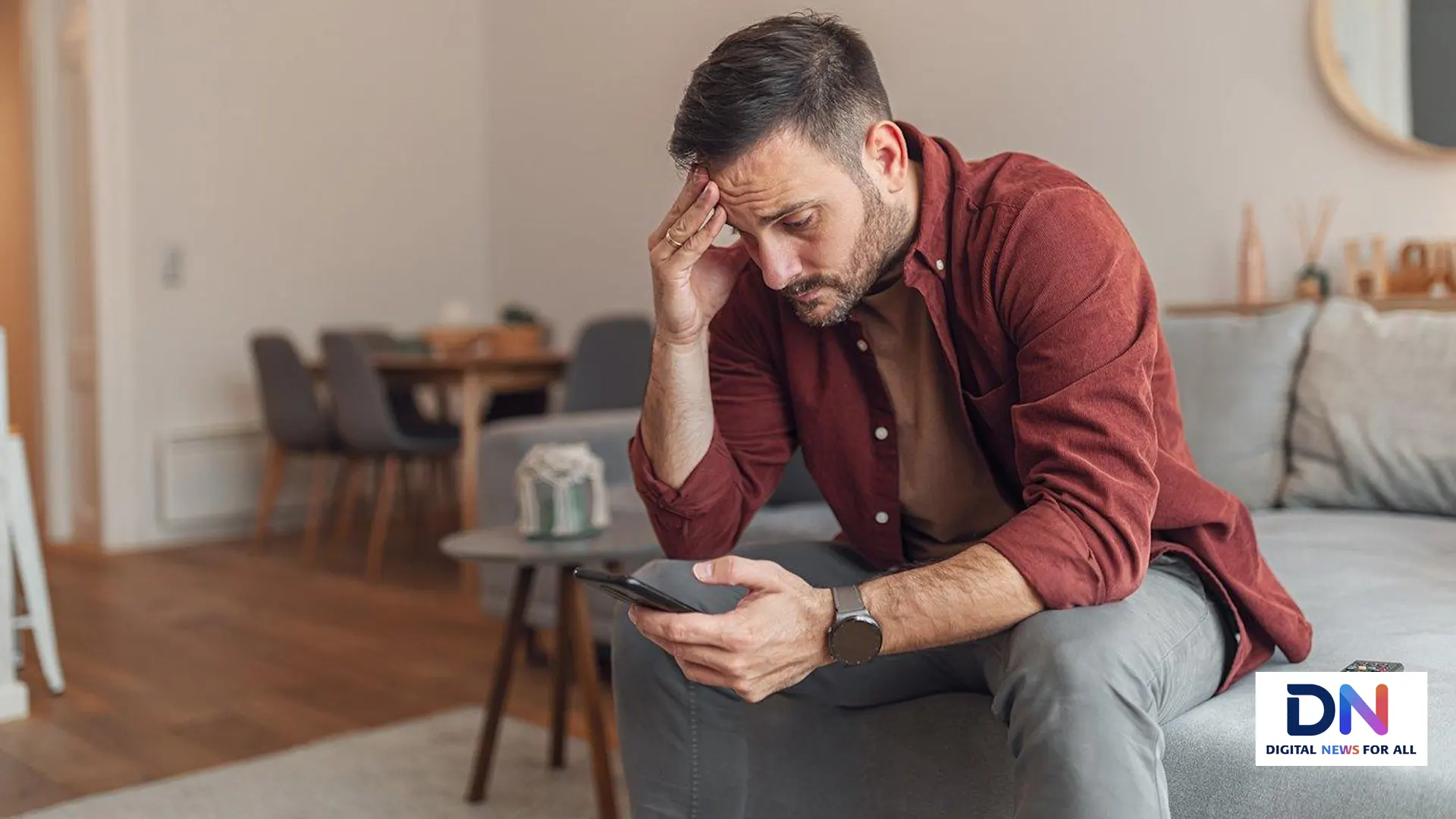
Election season may be over, but the emotional strain of political conflict does not always disappear when the polls close. Following the November 3, 2026, U.S. midterm elections, continuing coverage, heated online debates, and uncertainty about future policies may leave some Americans feeling exhausted. This experience is often described as post-election fatigue.
Political engagement matters, but constant exposure to conflict can affect concentration, sleep, relationships, and everyday routines. Mental health experts say people can stay informed while creating healthier boundaries around political information.
Why Political Conflict Can Become Emotionally Exhausting
Hyper-partisan discussions often present political developments as urgent threats. Repeated exposure to alarming headlines and social media arguments can keep people focused on uncertainty. Over time, this pattern may contribute to worry, irritability, and difficulty concentrating.
The American Psychological Association explains that political change can create stress regardless of a person’s political beliefs. Its guidance recommends limiting news exposure when it begins interfering with daily life.
A November 2026 report from Florida State University also highlights how continuous political messaging and doomscrolling can increase anxiety. Psychology professor Corinne Carlton-Smith recommends scheduled news checks and challenging worst-case assumptions.
Seven Practical Ways to Manage Post-Election Fatigue
1. Set Clear News Boundaries
Choose specific times to read reliable news instead of checking updates throughout the day. Turn off nonessential notifications and avoid political content before bedtime. The Centers for Disease Control and Prevention recommends taking breaks from news and social media when coverage becomes upsetting.
2. Challenge Worst-Case Thinking
Separate confirmed developments from predictions and online speculation. Ask whether a frightening conclusion is supported by reliable evidence. Focus on what is known rather than repeatedly imagining the worst possible outcome.

3. Rebuild Everyday Routines
Consistent sleep, regular meals, and physical activity can support emotional well-being. The National Institutes of Health recommends adequate sleep, exercise, social support, and relaxation activities to help manage stress.
4. Protect Important Relationships
Not every political disagreement needs an immediate response. Set respectful boundaries with friends and relatives when conversations become hostile. Spend time with people who listen without turning every discussion into an argument.
5. Replace Scrolling With Meaningful Activities
Walking, reading, creative hobbies, and volunteering can redirect attention toward activities that offer a sense of purpose. The CDC’s social connection guidance notes that meaningful relationships can help reduce stress and support better well-being.
6. Turn Concern Into Constructive Action
If an issue matters deeply, consider local volunteering, community meetings, or supporting a nonprofit. The National Alliance on Mental Illness encourages healthy boundaries, connection, and constructive civic engagement during election periods.
7. Seek Professional Support When Needed
Persistent distress should not be ignored. If anxiety, low mood, sleep problems, or difficulty functioning continue, consider speaking with a licensed mental health professional. The CDC provides guidance on recognizing stress and finding support. In the United States, people experiencing a mental health crisis can call or text 988 for immediate support.
Staying Informed Without Sacrificing Well-Being
Post-election fatigue does not mean people must abandon their political interests or civic responsibilities. It means finding a sustainable balance between staying informed and protecting personal well-being.
Democracy involves ongoing participation, but constant outrage is not a requirement. By setting boundaries, maintaining supportive relationships, and seeking help when necessary, Americans can remain engaged without allowing political conflict to dominate their lives.
This article provides general wellness information and is not a substitute for professional mental health advice.
#PostElectionFatigue #MentalHealth #PoliticalStress #EmotionalWellness #StressManagement #DigitalWellbeing #MentalHealthAwareness #HealthyHabits #USPolitics