

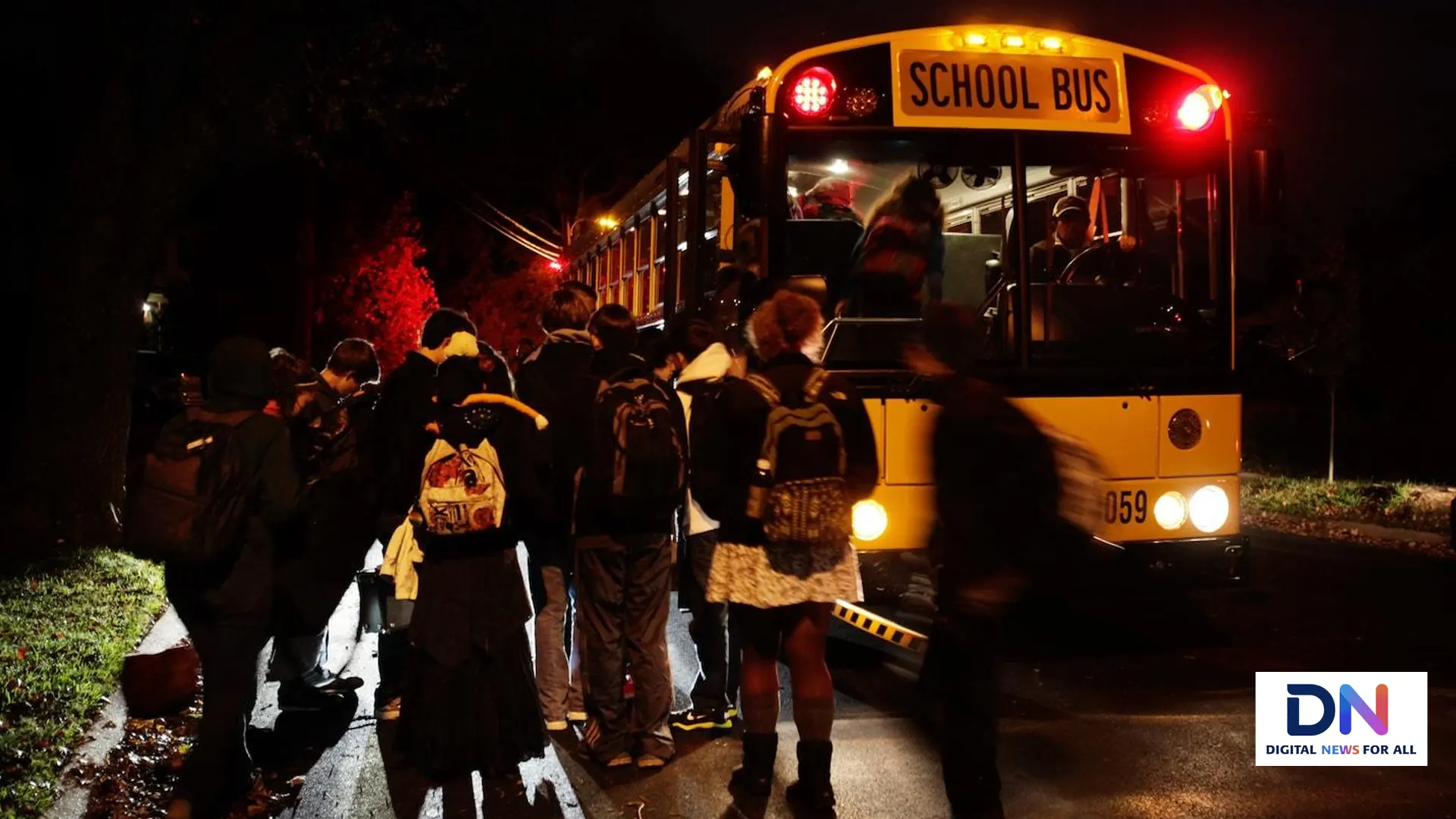
Keeping daylight saving time throughout the year may sound attractive to Americans who want brighter evenings. However, sleep scientists are raising concerns about what the change could mean for children. Permanent daylight saving time would push winter sunrises later, potentially leaving students traveling to school in darkness and disrupting the natural timing of their sleep cycles.
The debate intensified after the U.S. House approved legislation for permanent daylight saving time in July 2026. The proposal now faces uncertainty in the Senate. Meanwhile, competing legislation would establish permanent standard time. The Association of American Medical Colleges recently examined the competing proposals and the concerns raised by sleep specialists.
Why Morning Sunlight Matters for Children
The human body uses natural light to regulate its internal clock, known as the circadian rhythm. Morning sunlight helps synchronize sleep and wake cycles. Later exposure to evening light can delay the body’s natural preparation for sleep.
The American Academy of Sleep Medicine supports permanent standard time because it aligns more closely with natural light patterns. Its position statement explains how later evening light and reduced morning light can disrupt biological rhythms.
Children and teenagers may face additional challenges. Adolescents naturally develop later sleep schedules during puberty. When schools require early wake-ups, students can struggle to get enough rest. The Centers for Disease Control and Prevention highlights the connection between early school schedules, insufficient sleep and student health.

Dark School Commutes Raise Safety Concerns
A study reported by The Washington Post examined more than 16,000 schools across 14 states. Researchers modeled how different clock policies could affect children’s morning journeys.
The analysis estimated that permanent daylight saving time could increase dark school commutes by approximately 2.5 times compared with the current system in the states studied. The researchers also highlighted potential risks for children walking or cycling before sunrise.
The American Academy of Pediatrics explains that clock changes can disturb children’s sleep routines. Research on adolescent sleep also supports the importance of adequate rest and age-appropriate school schedules.
Why the Policy Debate Remains Divided
Supporters of permanent daylight saving time argue that brighter evenings could benefit recreation, businesses and public activity. Opponents emphasize winter mornings, biological rhythms and student safety.
The University of Washington School of Medicine has highlighted concerns about later winter sunrises and their possible effects on sleep and learning.
Ending clock changes may have broad appeal, but the choice of permanent time matters. Policymakers must consider children’s sleep, school transportation and public safety alongside the benefits of longer evening daylight.
For families, the central issue is straightforward: a brighter evening should not come at the expense of healthy sleep schedules or safer school journeys.
#DaylightSavingTime #ChildrensHealth #SleepHealth #CircadianRhythm #SchoolSafety #ChildDevelopment #PublicHealth #ScienceNews #USPolicy