

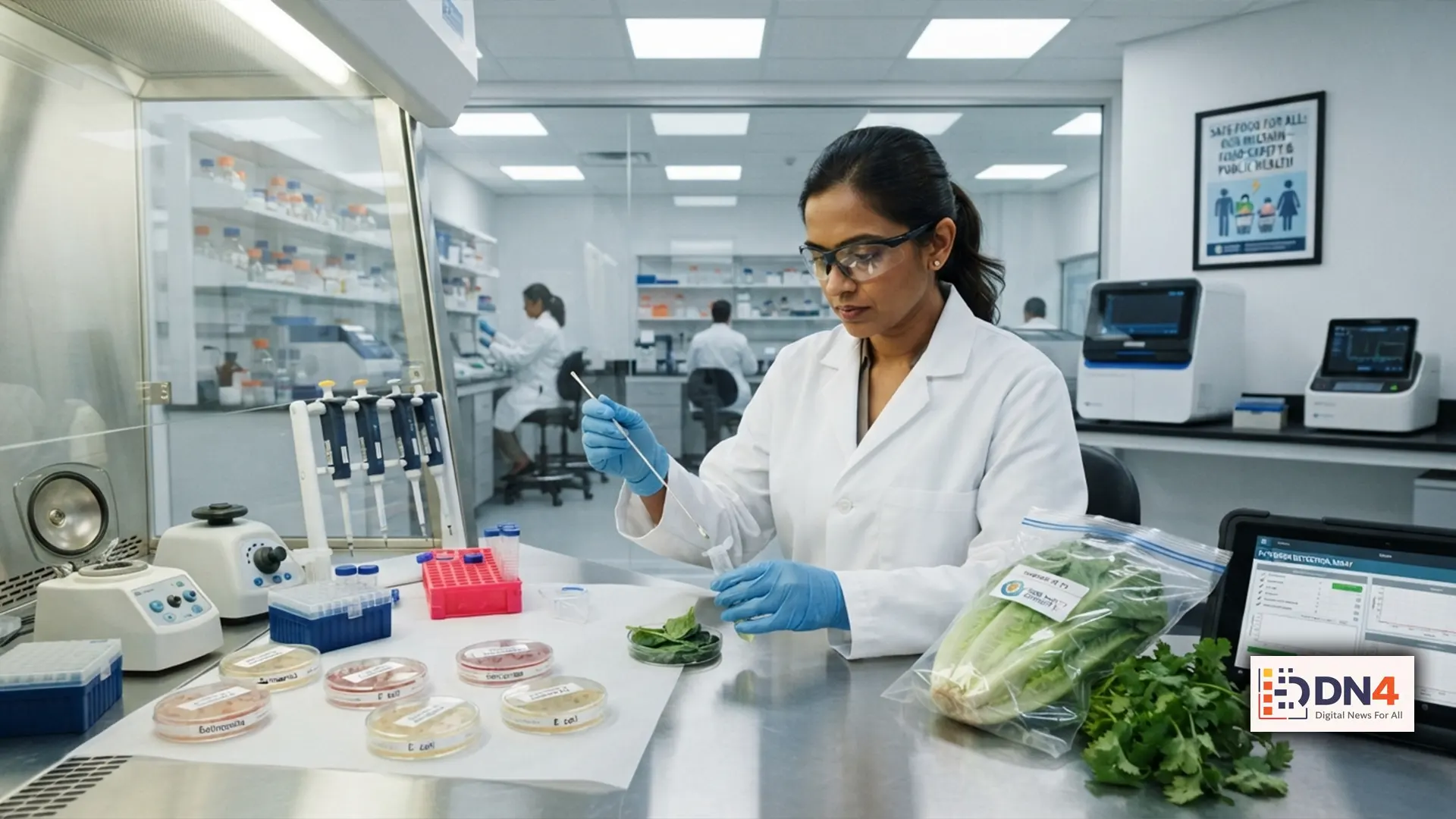
Food contamination headlines often spread quickly, especially when social media amplifies reports of recalls or outbreaks. While genuine food safety concerns deserve attention, misinformation can also create unnecessary panic. Public health experts encourage consumers to rely on verified information from trusted authorities instead of viral rumors when evaluating food safety risks.
Each year, millions of people experience foodborne illnesses caused by bacteria, viruses, or parasites. Fortunately, strong surveillance systems, food recalls, and modern testing methods help identify contamination quickly and reduce the spread of illness.
Myth 1: Every Food Recall Means the Product Is Unsafe
Not every recalled product has caused illnesses. Many recalls occur because manufacturers or regulators identify a potential contamination risk before widespread exposure happens. According to the U.S. Food and Drug Administration (FDA), many recalls are precautionary measures designed to protect consumers while investigations continue.

Myth 2: You Can Always See or Smell Contaminated Food
Many dangerous bacteria such as Salmonella, E. coli, and Listeria do not change the appearance, smell, or taste of food. Safe-looking food can still contain harmful microorganisms. The Centers for Disease Control and Prevention (CDC) recommends following proper cooking, storage, and food handling practices regardless of how food appears.
Myth 3: Washing Produce Removes Every Germ
Rinsing fresh fruits and vegetables under running water helps remove dirt and some surface bacteria, but it cannot eliminate all harmful pathogens. Thorough washing should be combined with proper refrigeration, clean preparation surfaces, and safe food handling to reduce contamination risks. Guidance from FoodSafety.gov offers practical advice for handling fresh produce safely.
Myth 4: Only Meat Causes Foodborne Illness
Although raw meat and poultry are common sources of foodborne bacteria, contaminated leafy greens, fresh fruits, dairy products, eggs, seafood, and even packaged foods have also been linked to outbreaks. The USDA Food Safety and Inspection Service (FSIS) and the FDA regularly monitor a wide range of food products for potential contamination.
How Consumers Can Stay Safe
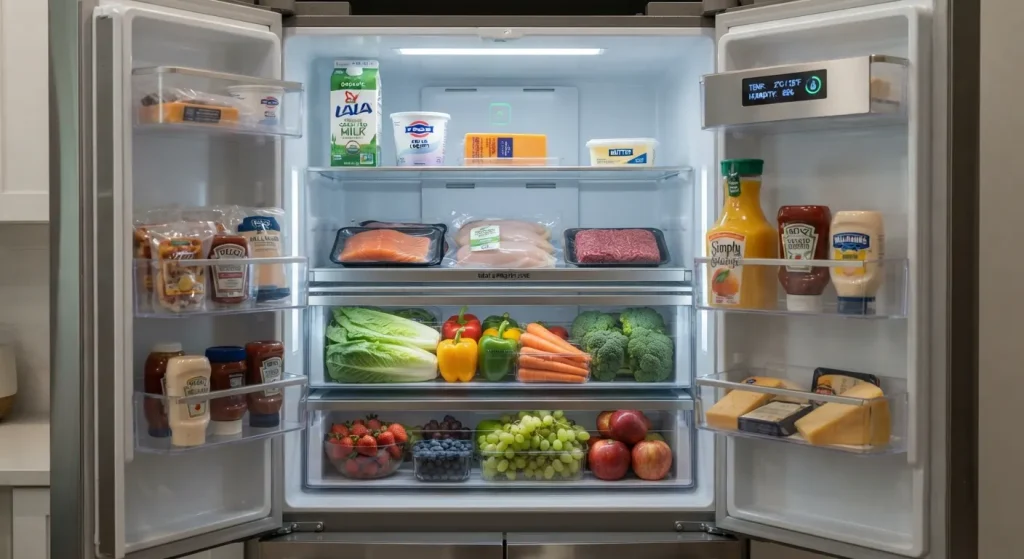
Food safety experts recommend four simple habits: clean, separate, cook, and chill. Wash your hands before preparing food, keep raw meat separate from ready-to-eat foods, cook foods to recommended internal temperatures, and refrigerate perishables promptly. These basic practices significantly reduce the risk of foodborne illness.
Consumers should also check official recall announcements rather than relying on social media rumors. The FDA and CDC publish updated information whenever confirmed food safety concerns arise.
Trust Verified Information, Not Viral Claims
Misinformation can spread faster than verified public health guidance. Before sharing alarming claims online, verify the information through trusted organizations such as the CDC, FDA, World Health Organization (WHO), and reporting from Reuters.
Understanding the facts behind food contamination scares helps consumers make informed decisions instead of reacting to misinformation. Following proven food safety practices remains the most effective way to protect yourself and your family from foodborne illnesses.
#FoodSafety #FoodContamination #FoodSafetyMyths #PublicHealth #CDC #FoodPoisoning #HealthNews #ConsumerSafety