


Generative artificial intelligence has transformed education by giving students instant access to writing assistance, coding support, research summaries, and tutoring. While these tools offer valuable learning opportunities, they have also raised concerns about academic integrity. Universities worldwide are now revising classroom policies as professors seek new ways to discourage AI-assisted cheating while encouraging responsible use of emerging technologies.
Rather than banning artificial intelligence outright, many educators are developing strategies that emphasize critical thinking, original work, and transparency. Their goal is to ensure students continue building the analytical and communication skills that higher education is designed to develop.
Why AI Has Changed the Classroom
Large language models can generate essays, solve programming problems, summarize research papers, and answer complex questions within seconds. Tools like ChatGPT and other generative AI platforms have become widely accessible, making it easier for students to complete assignments with minimal effort if used improperly.
This rapid adoption has prompted universities to reconsider how assignments are designed and evaluated. Many institutions now distinguish between acceptable AI-assisted learning and academic misconduct.
How Professors Are Responding
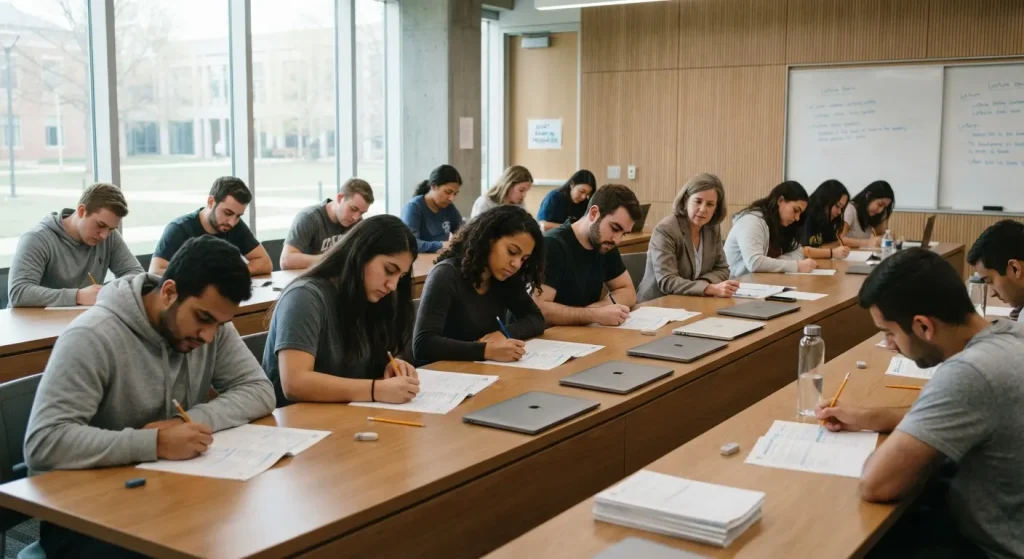
Instead of relying solely on traditional take-home essays, instructors are introducing more in-class writing, oral presentations, project-based assessments, and collaborative activities. These formats make it more difficult to submit AI-generated work without demonstrating genuine understanding.
Many educators also require students to explain their reasoning, document research methods, or describe how AI tools were used during the assignment process. Organizations such as UNESCO encourage transparent and ethical integration of artificial intelligence into education rather than blanket prohibition.
The Challenge of AI Detection
Although several AI detection tools claim to identify machine-generated text, experts caution that no detector is completely accurate. False positives can incorrectly flag original student work, while advanced AI-generated content may avoid detection altogether. Because of these limitations, many universities avoid using AI detectors as the sole basis for disciplinary action.
Guidance from organizations such as the EDUCAUSE Review emphasizes combining thoughtful assessment design with clear academic integrity policies instead of relying exclusively on detection software.
Teaching Responsible AI Use
Many universities now recognize that artificial intelligence will become a permanent part of professional life. Instead of discouraging all AI use, instructors increasingly teach students how to use these tools responsibly for brainstorming, research assistance, coding support, and editing while still producing original work.
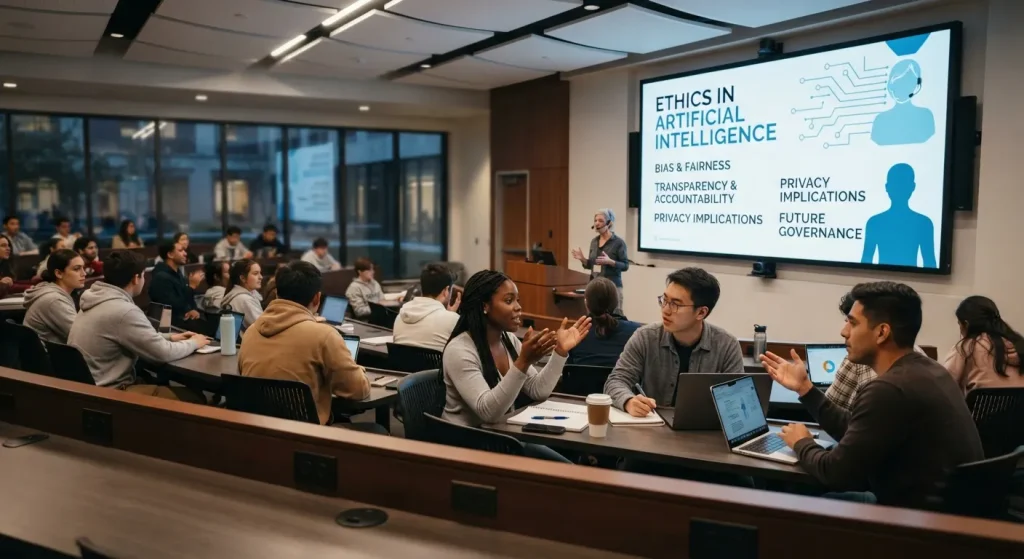
The UNESCO and the Organisation for Economic Co-operation and Development (OECD) have both published guidance encouraging ethical AI literacy alongside strong academic standards.
The Future of Academic Integrity
Artificial intelligence is reshaping education, but it is also prompting innovation in teaching methods. Professors are redesigning assessments to measure critical thinking, creativity, and real-world problem-solving rather than simple information recall. As AI technology continues to evolve, universities will likely continue adapting policies that balance innovation with academic honesty.
Reporting from Reuters, Inside Higher Ed, and official university guidance shows that the conversation is shifting from banning AI to teaching students how to use it ethically and responsibly. The future of education may depend less on fighting artificial intelligence and more on helping learners understand when—and how—to use it appropriately.
#ArtificialIntelligence #AcademicIntegrity #AIInEducation #HigherEducation #ChatGPT #EdTech #EducationNews