

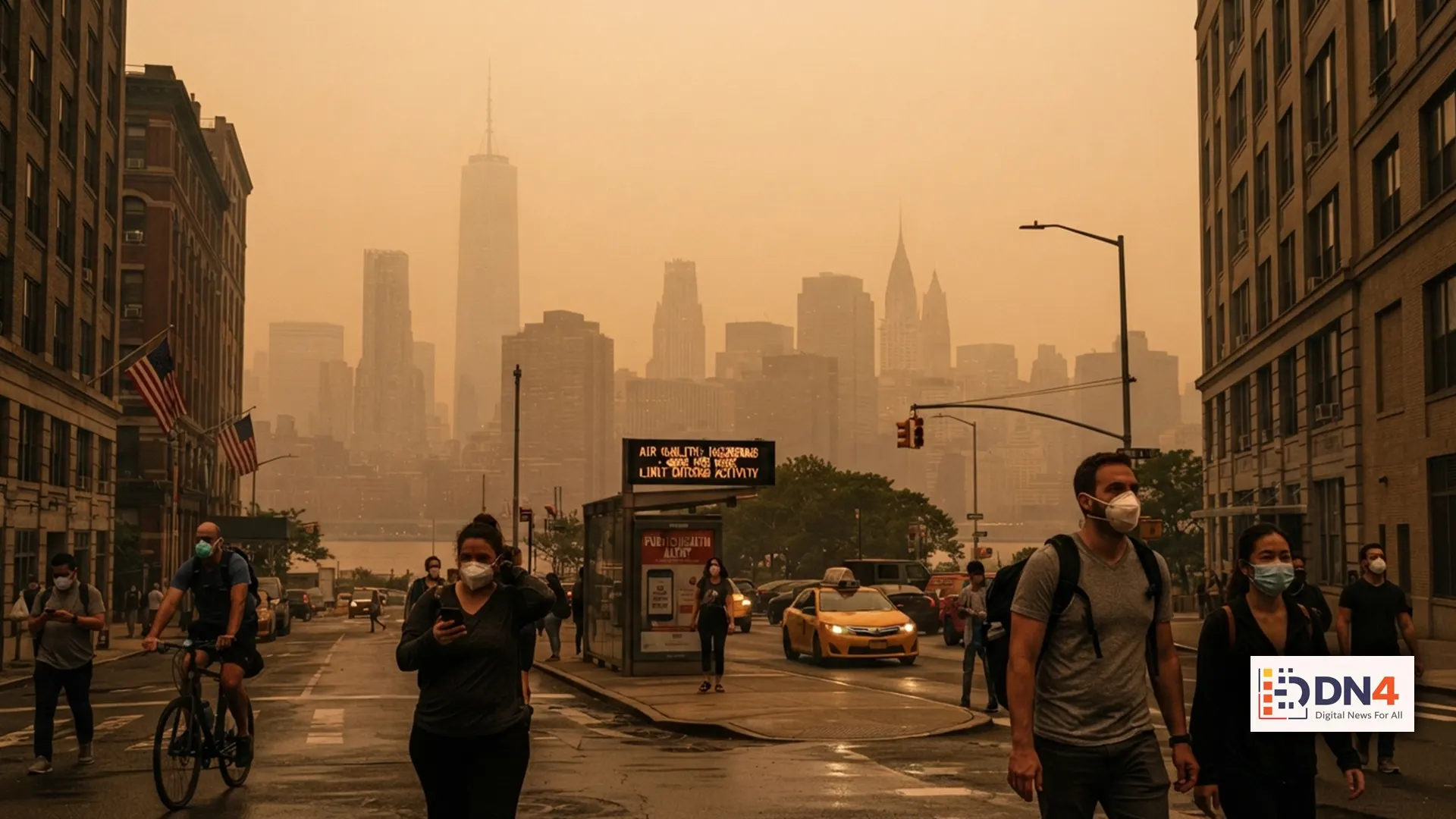
Smoke from large wildfires can travel hundreds or even thousands of miles, affecting air quality far beyond the fire zone. As haze spreads across parts of the Northeast and Mid-Atlantic, public health officials are urging residents to take precautions, especially on days when air pollution reaches unhealthy levels. Even people who live far from active wildfires can experience health effects from fine smoke particles suspended in the air.
The greatest concern comes from tiny particles known as PM2.5, which can penetrate deep into the lungs and even enter the bloodstream. According to the U.S. Environmental Protection Agency (EPA), these particles may worsen asthma, trigger heart and lung conditions, and irritate healthy individuals during prolonged exposure.
Check Air Quality Before Going Outside
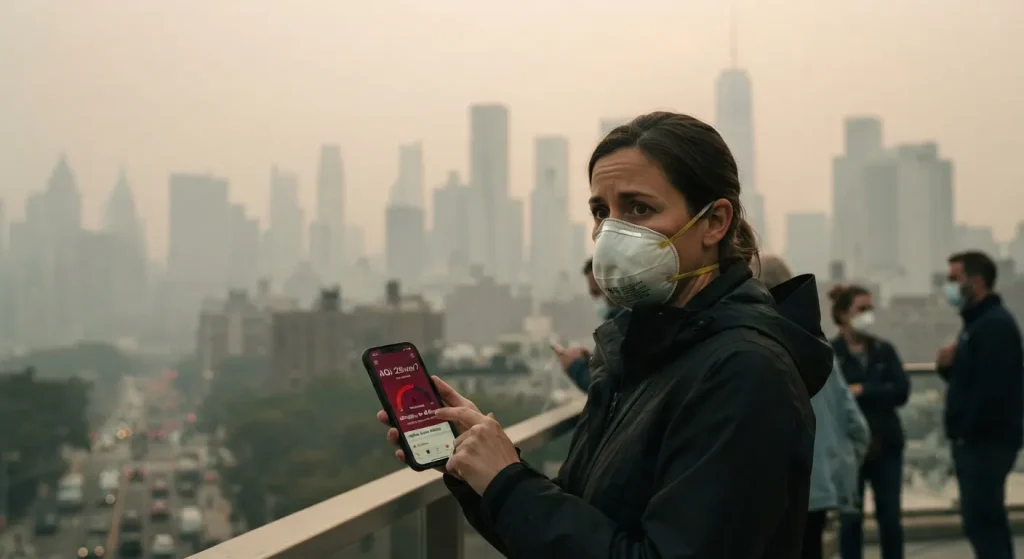
Before spending time outdoors, check your local Air Quality Index (AQI). The AirNow website provides real-time air quality information across the United States. Higher AQI values indicate greater health risks, especially for children, older adults, pregnant women, and people with respiratory or cardiovascular diseases.
If air quality reaches unhealthy levels, reduce outdoor activities such as running, cycling, or yard work until conditions improve.
Keep Indoor Air Clean
Closing windows and doors can help reduce the amount of smoke entering your home. If available, use an air conditioner set to recirculate indoor air rather than drawing air from outside. Portable air purifiers equipped with HEPA filters can also remove many fine smoke particles from indoor environments.
The Centers for Disease Control and Prevention (CDC) recommends avoiding activities that create additional indoor pollution, such as burning candles, smoking, or using wood-burning fireplaces while outdoor smoke levels remain elevated.
Wear the Right Mask Outdoors
If you must spend time outside during smoky conditions, consider wearing a properly fitted N95 or KN95 respirator. These masks filter many fine particles that ordinary cloth masks cannot block effectively. The National Institute for Occupational Safety and Health (NIOSH) offers guidance on selecting approved respirators for smoke protection.
Watch for Health Symptoms
Smoke exposure may cause coughing, sore throat, watery eyes, headaches, or shortness of breath. Individuals with asthma or chronic lung disease should keep prescribed medications readily available and follow their healthcare provider’s treatment plan. Anyone experiencing severe breathing difficulties or chest pain should seek immediate medical attention.
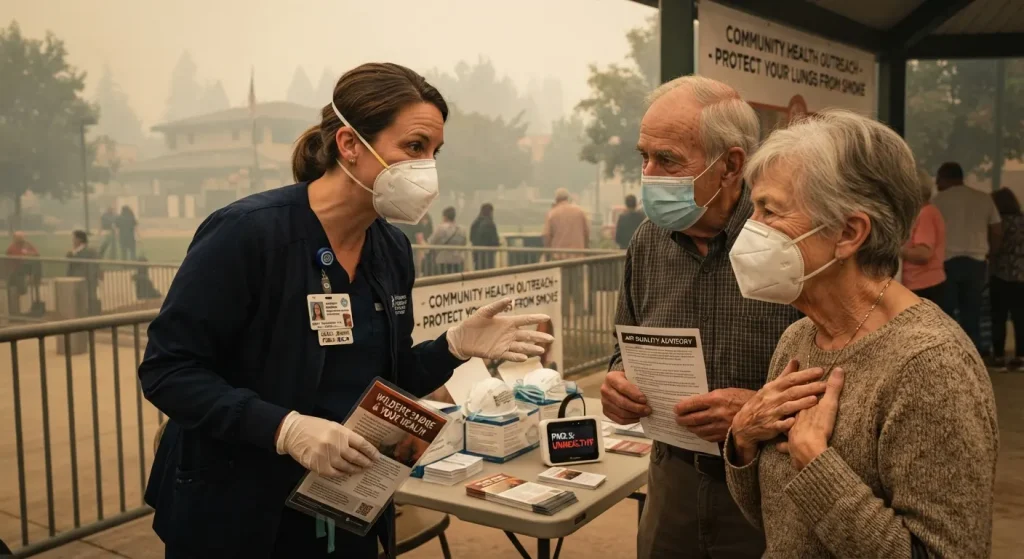
The National Weather Service and the CDC regularly publish smoke advisories and public health recommendations during significant air quality events.
Stay Informed as Conditions Change
Smoke conditions can change quickly as weather patterns shift. Wind direction, rainfall, and atmospheric conditions may improve or worsen local air quality within hours. Reliable reporting from NOAA and Reuters can help residents stay informed about evolving conditions and official health advisories.
Taking simple precautions can significantly reduce smoke exposure. Monitoring air quality, limiting outdoor activities, and keeping indoor air clean can help protect your health until skies clear and air conditions improve.
#WildfireSmoke #AirQuality #HealthTips #Northeast #MidAtlantic #AQI #PublicHealth #WeatherNews