

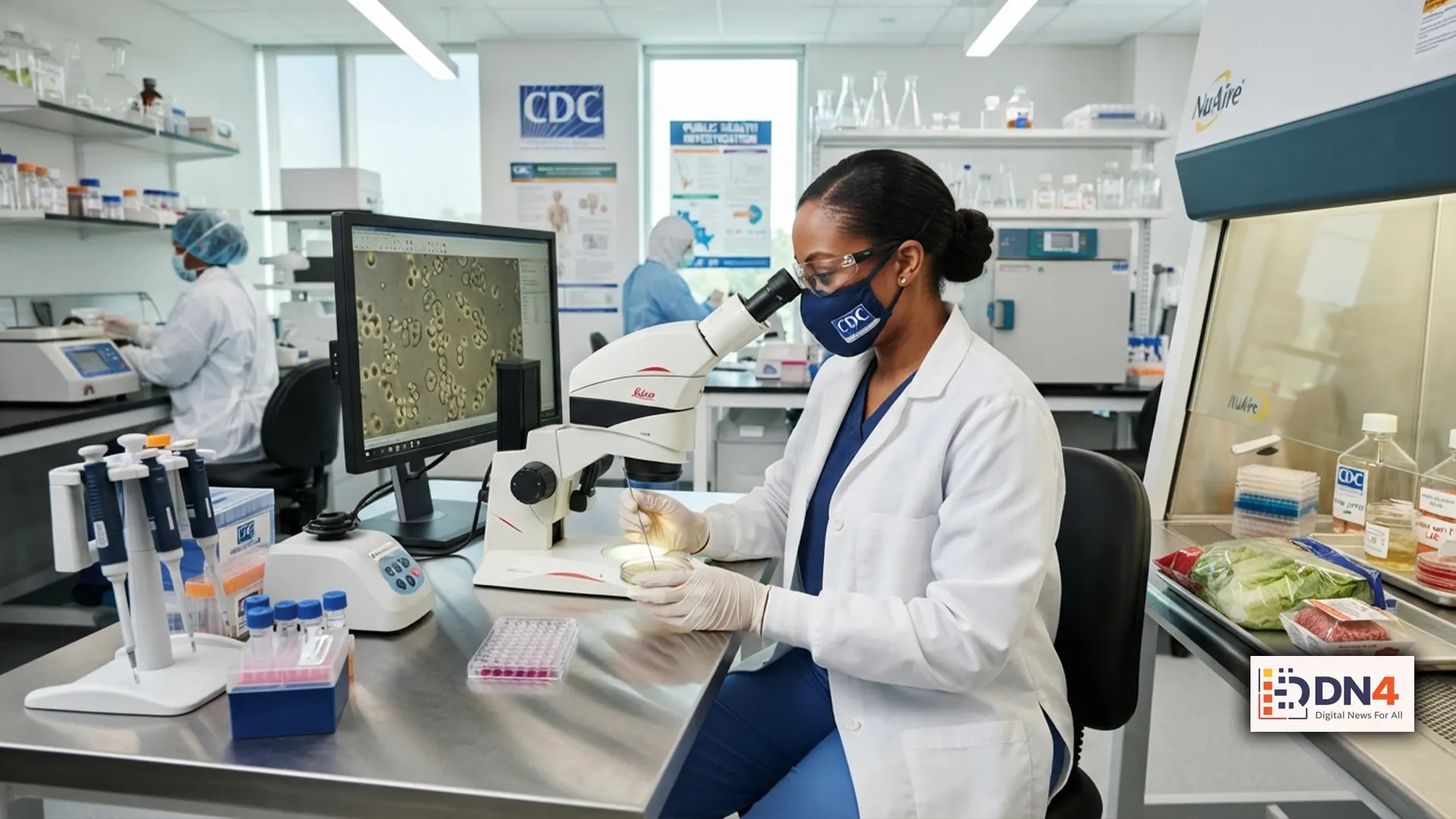
The U.S. Centers for Disease Control and Prevention (CDC) is closely monitoring regional increases in foodborne illnesses as public health officials investigate outbreaks linked to contaminated foods. While many cases remain isolated, clusters of infections can signal broader food safety concerns that require rapid action. Early detection helps authorities identify contaminated products, trace the source of infections, and prevent additional illnesses.
Foodborne diseases affect millions of people each year in the United States. Most individuals recover within a few days, but certain infections can cause severe complications, especially for young children, older adults, pregnant women, and people with weakened immune systems.
Why Is the CDC Increasing Surveillance?
The Centers for Disease Control and Prevention (CDC) monitors foodborne illnesses through a nationwide surveillance network that collects reports from hospitals, laboratories, and state health departments. When multiple people become sick with similar symptoms or identical bacterial strains, investigators begin tracing possible food sources and distribution chains.
Advanced laboratory testing allows health officials to identify links between cases that occur in different states. This process helps investigators determine whether infections share a common source and whether recalls or public health alerts are necessary.
Common Causes of Foodborne Illness
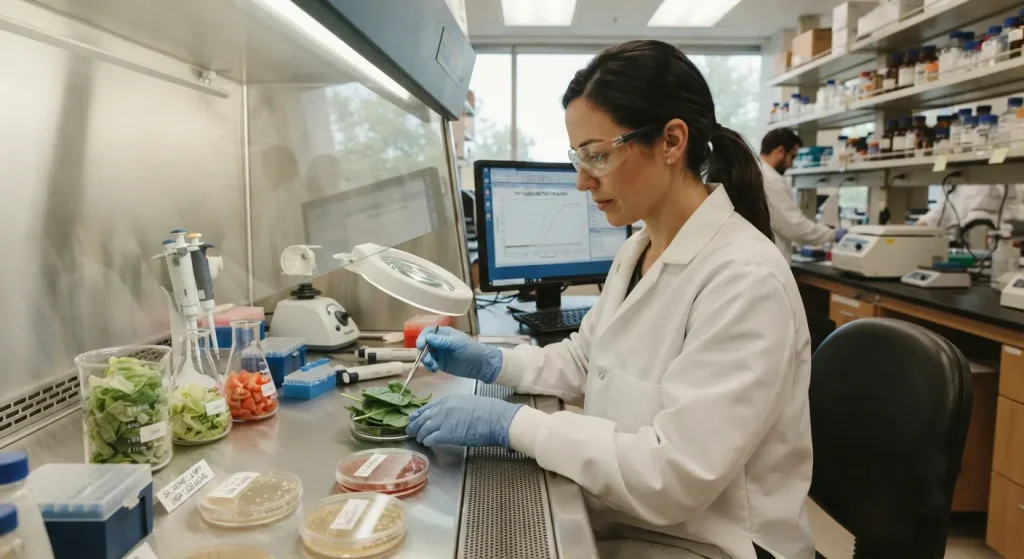
Several bacteria, viruses, and parasites can contaminate food during production, processing, transportation, or preparation. According to the U.S. Food and Drug Administration (FDA), common causes include Salmonella, E. coli, Listeria, and Norovirus. Raw meat, poultry, eggs, dairy products, seafood, and fresh produce can all become contaminated if proper food safety practices are not followed.
Cross-contamination in kitchens and improper refrigeration also contribute to many food poisoning cases each year.
Symptoms to Watch For
Foodborne illnesses often cause nausea, vomiting, diarrhea, stomach cramps, and fever. Symptoms may appear within hours or several days after consuming contaminated food, depending on the organism involved. Most mild cases improve without medical treatment, but persistent dehydration, bloody diarrhea, high fever, or severe abdominal pain require prompt medical attention.
The CDC Food Safety Program recommends seeking medical care if symptoms become severe or last longer than expected.

How to Reduce Your Risk
Simple food safety habits significantly reduce the risk of illness. Wash hands thoroughly before preparing meals, cook foods to recommended internal temperatures, refrigerate perishable items promptly, and avoid cross-contamination between raw and cooked foods. The FoodSafety.gov website offers practical guidance for safe food handling at home.
Consumers should also pay attention to food recall announcements issued by the U.S. Department of Agriculture’s Food Safety and Inspection Service (FSIS) and the FDA, especially when outbreaks involve widely distributed products.
Public Health Officials Remain Vigilant
Foodborne illness investigations often require close cooperation between federal agencies, state health departments, laboratories, and food producers. Early reporting allows officials to remove contaminated products from store shelves before additional people become sick.
Reliable reporting from Reuters, along with updates from the CDC and FDA, helps consumers stay informed about active outbreaks and food recalls. Although regional increases in foodborne illnesses can raise concern, strong surveillance systems and public awareness remain essential tools for protecting public health.
#CDC #FoodSafety #FoodborneIllness #PublicHealth #FoodPoisoning #HealthNews #Salmonella #EColi