

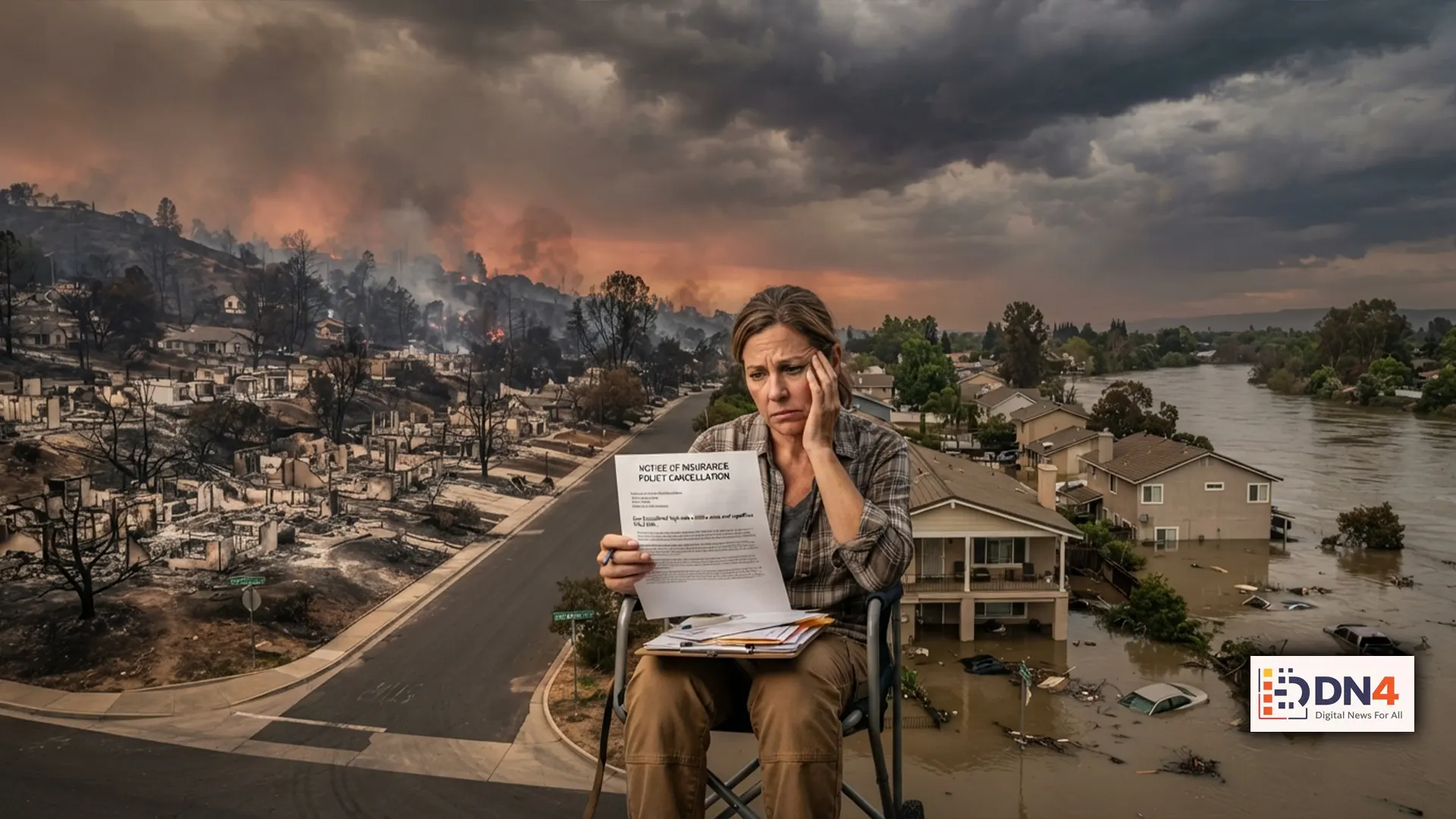
Homeowners in several parts of the United States face a growing insurance challenge in 2026. Many insurers are reducing coverage or leaving high-risk markets altogether. Areas vulnerable to hurricanes, wildfires, floods, and severe storms have seen higher premiums and stricter policy requirements. Some homeowners have also received non-renewal notices. Industry experts say rising disaster losses and climate risks are driving these decisions.
Insurance companies still serve many communities. However, they are reviewing where they operate and how much risk they can accept. Their goal is to remain financially stable while continuing to offer coverage.
Why Are Insurers Scaling Back?
Natural disasters have become more expensive in recent years. Hurricanes, wildfires, floods, hailstorms, and severe storms have caused billions of dollars in insured losses. According to the National Oceanic and Atmospheric Administration (NOAA), weather-related disasters continue to create significant economic damage across the United States.
Rebuilding homes also costs much more today. Inflation has increased the price of construction materials. Labor shortages have added to repair expenses. As a result, insurance claims have become more costly.

Climate Risk Is Reshaping Insurance
Insurance companies now rely on advanced climate models and catastrophe data. These tools help estimate future losses more accurately. Regions with repeated wildfires, hurricanes, floods, or droughts often receive higher risk ratings.
Research from the Federal Emergency Management Agency (FEMA) shows that stronger building standards and disaster preparedness can reduce future losses. Still, many communities remain highly vulnerable.
What This Means for Homeowners
Many homeowners now pay higher premiums. Others struggle to find affordable coverage. Some must turn to state-backed insurance programs or specialty insurers. Mortgage lenders usually require active homeowners insurance, making affordability even more important.
Consumers can compare coverage options through resources from the National Association of Insurance Commissioners (NAIC). The organization also explains state insurance rules and consumer protections.
Can the Market Improve?
Governments, insurers, and local communities continue exploring long-term solutions. Better building codes, wildfire prevention, flood protection projects, and stronger infrastructure may reduce future losses. These improvements could encourage insurers to remain in high-risk regions.
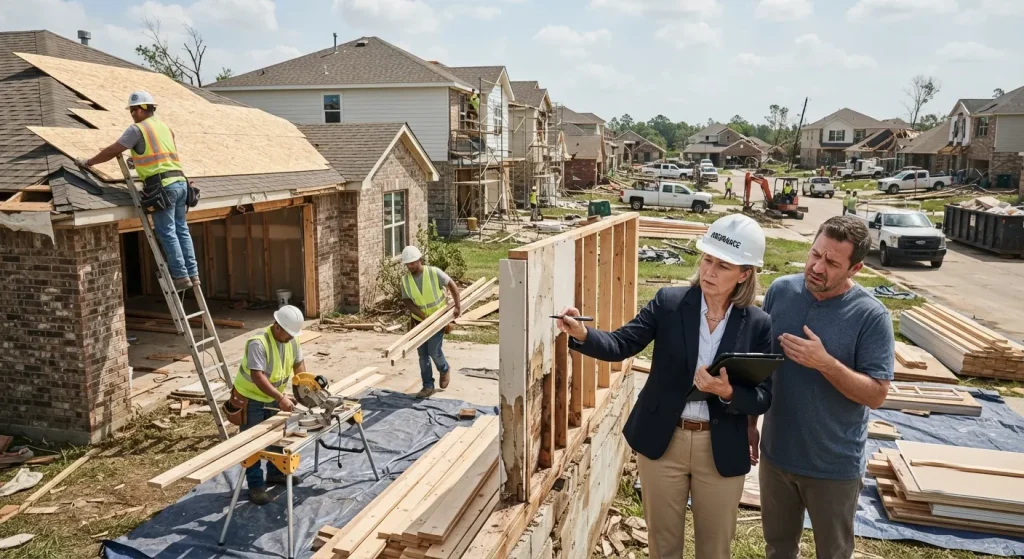
The Insurance Information Institute states that risk reduction measures can improve insurability over time. However, areas with repeated disasters may continue facing insurance challenges.
Looking Ahead
The insurance industry will likely continue adapting to changing climate risks. Better forecasting models and stronger communities may help stabilize some markets. Even so, homeowners should prepare for continued changes in insurance pricing and availability.
Reliable reporting from Reuters, S&P Global, and guidance from FEMA and the NAIC will help consumers understand how disaster risks continue to reshape the property insurance market.
#Insurance #HomeInsurance #ClimateRisk #NaturalDisasters #PropertyInsurance #2026 #Finance #ClimateChange