

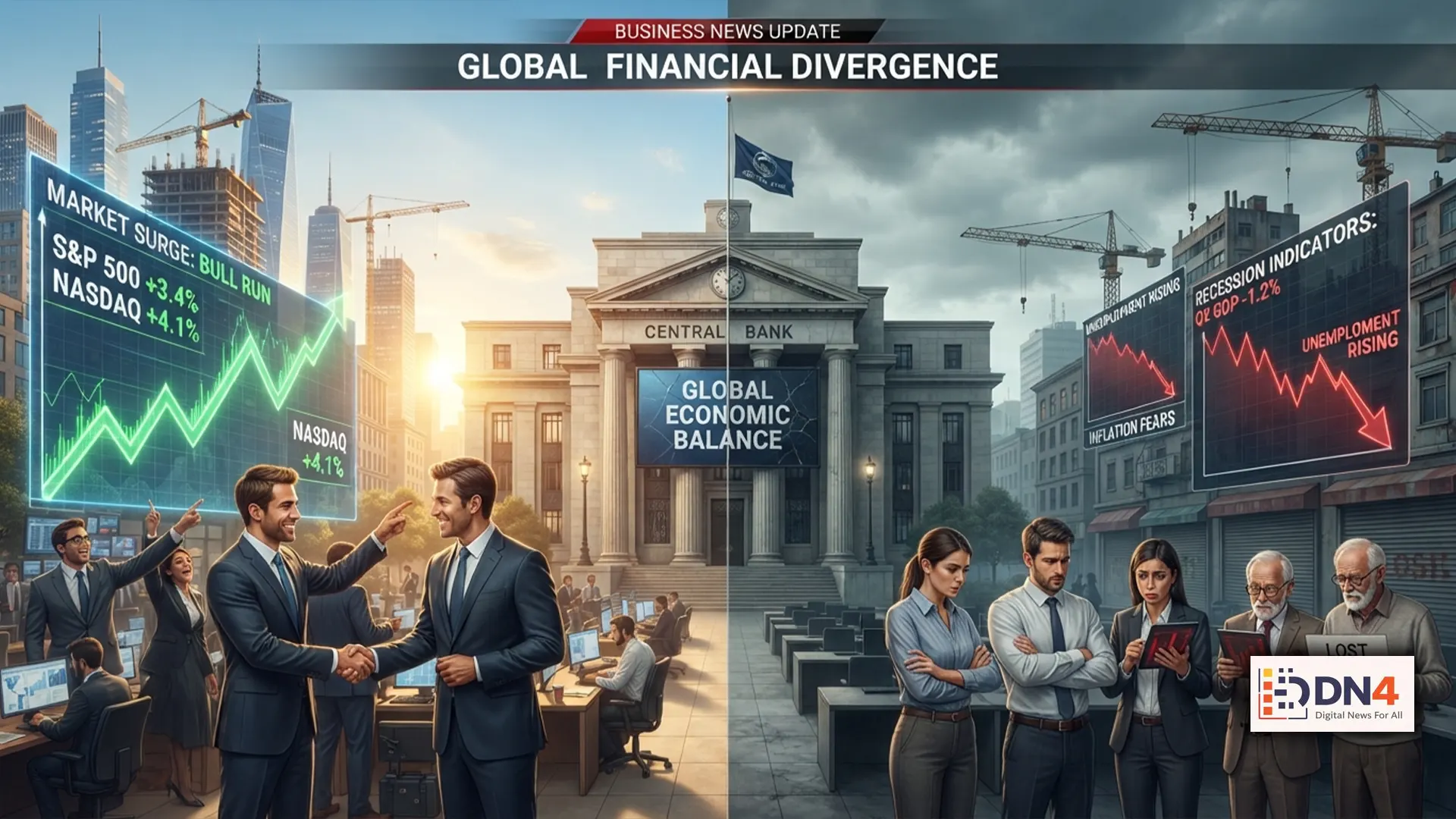
Global economies continue to navigate an uncertain landscape as central banks adjust interest rates to balance inflation and economic growth. Higher borrowing costs have helped cool inflation in many countries, but they have also increased concerns about slowing consumer spending, weaker business investment, and the possibility of recession. Despite these challenges, economists believe opportunities for sustainable growth remain in sectors driven by technology, infrastructure, and innovation.
Interest rates influence nearly every part of the economy. They affect mortgages, business loans, credit cards, savings accounts, and investment decisions. As central banks respond to changing economic conditions, businesses and consumers alike must adapt to a rapidly evolving financial environment.
Why Interest Rates Matter
Central banks raise interest rates to slow inflation by reducing borrowing and spending. Lower inflation helps stabilize prices, but higher rates can also reduce economic activity if businesses delay expansion and households cut back on major purchases. The U.S. Federal Reserve, the European Central Bank, and other monetary authorities continue to monitor inflation and employment before making policy decisions.
Recent inflation has moderated in several advanced economies, yet policymakers remain cautious because price pressures have not fully disappeared. Interest rate decisions therefore continue to play a central role in shaping economic expectations.

Recession Risks Remain
Higher financing costs often reduce consumer demand and business investment. Companies may postpone hiring, delay expansion projects, or reduce capital spending when borrowing becomes more expensive. According to the International Monetary Fund (IMF), global growth remains positive, but downside risks persist due to geopolitical tensions, trade uncertainty, and slowing productivity in some regions.
Financial markets also remain sensitive to economic data. Investors closely watch employment reports, inflation figures, and central bank statements for signs that growth may weaken further.
Where Growth Opportunities Exist
Despite recession concerns, several industries continue to attract investment. Artificial intelligence, renewable energy, semiconductor manufacturing, healthcare innovation, and digital infrastructure have shown resilience even during periods of higher interest rates. Governments around the world also continue investing in transportation, clean energy, and advanced manufacturing to strengthen long-term economic competitiveness.
The World Bank notes that productivity improvements, infrastructure development, and technological innovation remain key drivers of sustainable economic growth over the long term.

What Investors and Consumers Should Watch
Future interest rate decisions will depend largely on inflation, labor market conditions, and overall economic performance. If inflation continues to decline, central banks may eventually reduce borrowing costs to support growth. However, persistent price pressures could delay any policy easing.
Reliable reporting from Reuters, Bloomberg, and economic analysis from the Organisation for Economic Co-operation and Development (OECD) helps businesses and investors understand evolving market conditions.
Balancing Risk and Opportunity
The global economy stands at a crossroads where recession risks coexist with meaningful growth opportunities. While higher interest rates continue to slow parts of the economy, innovation, resilient labor markets, and strategic investment could support long-term expansion. For consumers, businesses, and policymakers alike, adapting to changing financial conditions will remain essential as the economic outlook continues to evolve.
#InterestRates #Recession #EconomicGrowth #Inflation #FederalReserve #GlobalEconomy #Markets #Finance