

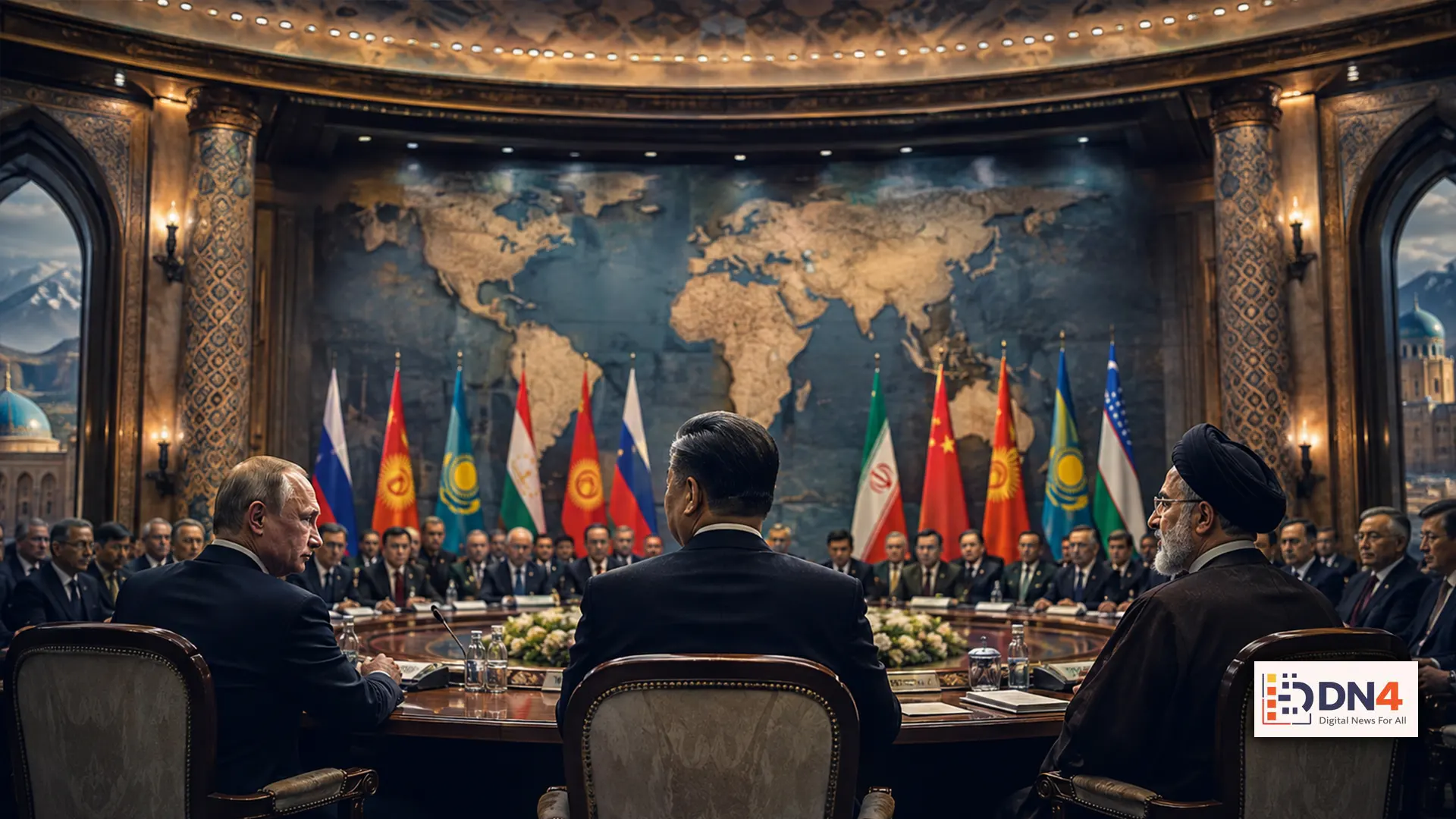
The Shanghai Cooperation Organisation (SCO) Summit in Bishkek, Kyrgyzstan, has underscored a major shift in global diplomacy: Russia, China and Iran are increasingly using multilateral institutions to challenge Western influence and promote a more multipolar international system.
The two-day summit, held on August 31 and September 1, brought together leaders including Chinese President Xi Jinping, Russian President Vladimir Putin, Iranian President Masoud Pezeshkian and Indian Prime Minister Narendra Modi. The SCO’s official account confirms that the 26th Council of Heads of State meeting was held in Bishkek on September 1.
Russia and China Strengthen Their Strategic Partnership
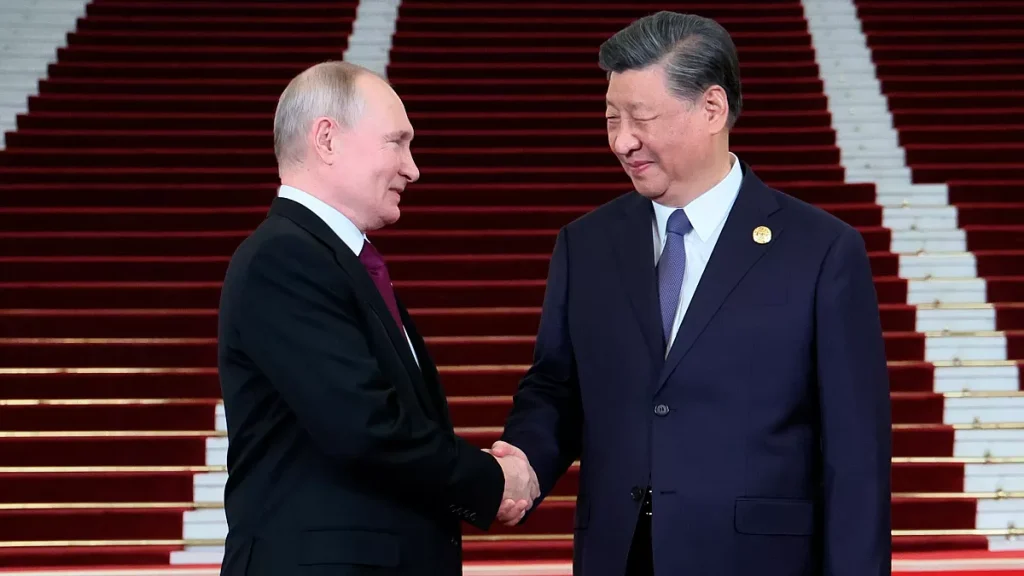
One of the summit’s most significant developments came from the meeting between Xi and Putin. The Chinese president said the foundations of China-Russia relations would become stronger, while both leaders emphasized cooperation amid growing uncertainty in global affairs.
For Moscow, deeper economic and diplomatic cooperation with Beijing has become increasingly important as Western sanctions continue to constrain Russia. China, meanwhile, gains greater influence across Eurasia through trade, energy and strategic partnerships.
Iran Moves Closer to the Eurasian Power Network
Iran’s participation adds another important dimension. Tehran has deepened relations with both Moscow and Beijing while facing extensive Western sanctions and continuing tensions with the United States.
The SCO summit’s final declaration condemned military attacks on Iran and Western sanctions against some member states, highlighting the organization’s increasingly assertive political position.
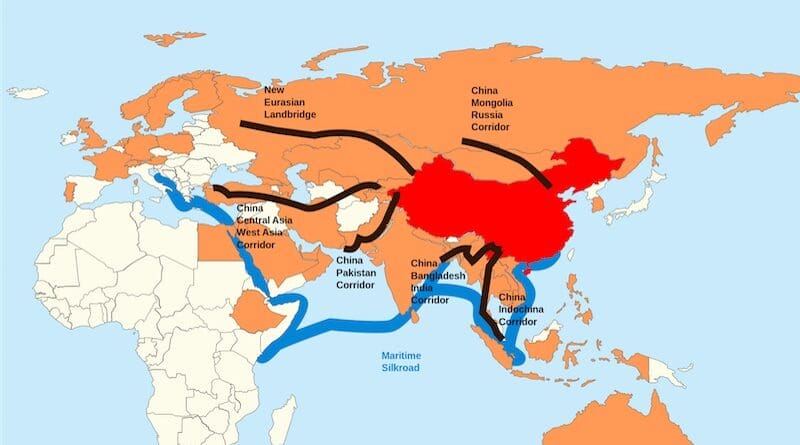
Iran’s growing role also reflects the strategic importance of energy, transportation corridors and trade routes connecting the Middle East with Central and East Asia.
India Shows Why the SCO Is Not a Simple Anti-Western Bloc
Despite the growing Russia-China-Iran relationship, describing the SCO as a unified anti-Western alliance would oversimplify the organization. India continues to maintain major relationships with Russia, the United States, Europe, Israel and other partners while pursuing its own strategic interests.
At Bishkek, Modi emphasized the need to end wars through dialogue, including during his meeting with Putin. The contrasting positions within the SCO demonstrate that its members can cooperate on selected issues without forming a conventional military alliance.
A Multipolar World Takes Shape
The broader significance of the Bishkek summit is therefore less about creating a single new alliance and more about changing the architecture of global power.
Russia wants alternatives to Western economic and political pressure. China is expanding its influence across Eurasia. Iran seeks stronger diplomatic and economic partnerships. India wants strategic autonomy. Together, these interests are making the SCO an increasingly important platform for non-Western powers.
The Council on Foreign Relations has described the SCO as an important Eurasian institution, although its members have significant differences. Those contradictions are likely to remain a defining feature of the organization.
The Bishkek summit does not mark the birth of a new world order overnight. But it does show that global power is becoming more distributed, with Eurasian states increasingly determined to shape international rules, trade and security on their own terms.
#SCOSummit #Kyrgyzstan #Russia #China #Iran #GlobalAlliances #Geopolitics #ShanghaiCooperationOrganisation #MultipolarWorld #GlobalPolitics #Eurasia #InternationalRelations #WorldNews