

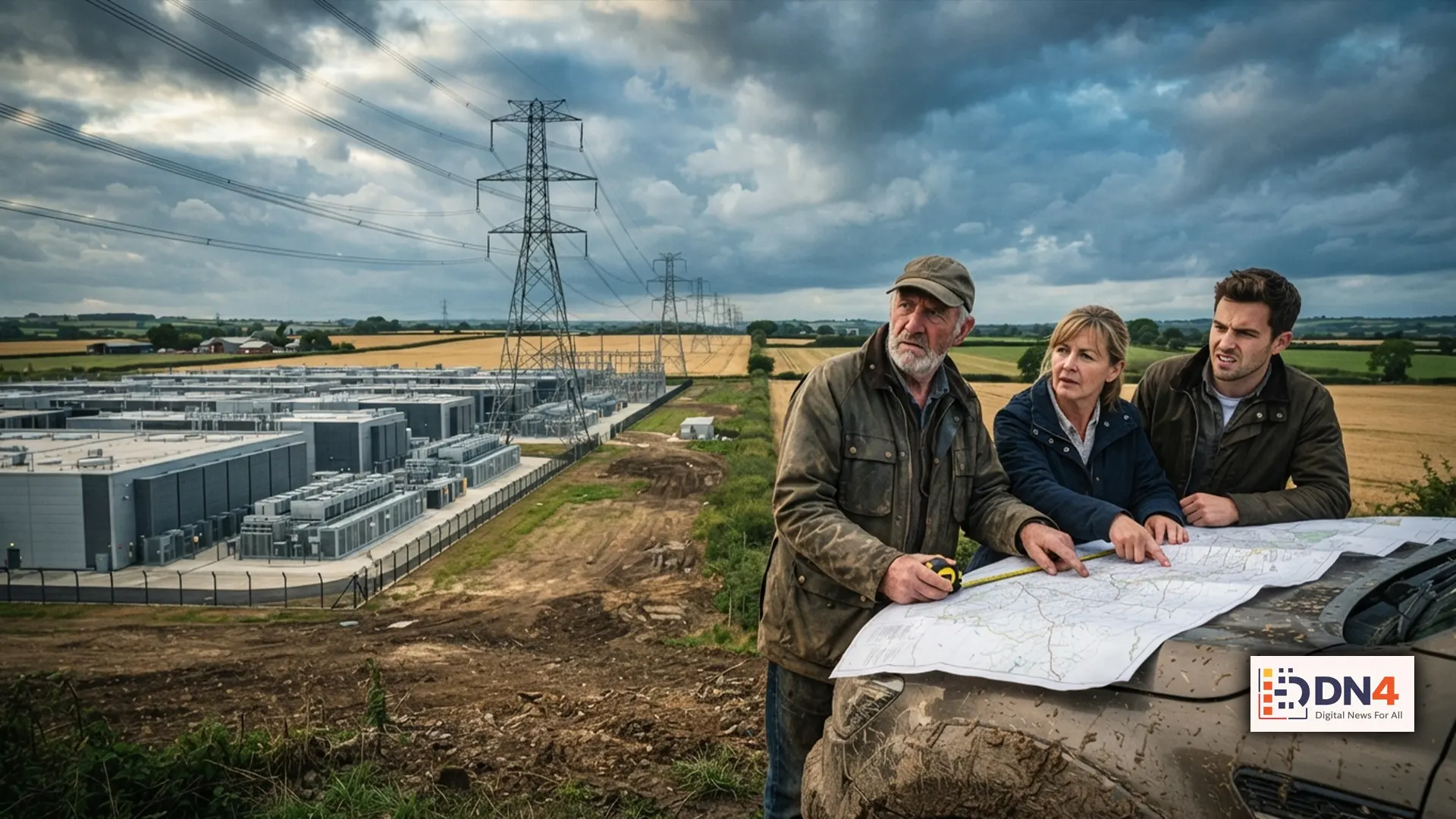
The explosive growth of artificial intelligence (AI), cloud computing, and digital services has fueled an unprecedented demand for new data centers across the United States. While these facilities are powering everything from AI chatbots to online banking, they also require enormous amounts of electricity. That growing demand is forcing utilities to expand transmission lines, substations, and other energy infrastructure—raising an important question for landowners: Can your power company legally take your property?
The answer depends on where you live, the type of project involved, and state-specific eminent domain laws. Although utilities do have legal authority in certain circumstances, property owners also have constitutional protections and rights to challenge proposed land acquisitions.
Why the AI Boom Is Driving More Power Projects
Modern AI data centers consume significantly more electricity than traditional server facilities. As companies invest billions into AI infrastructure, electric utilities are racing to strengthen power grids and construct new transmission corridors. The U.S. Department of Energy has highlighted growing electricity demand driven by emerging technologies, while the U.S. Energy Information Administration (EIA) continues to monitor long-term power consumption trends.
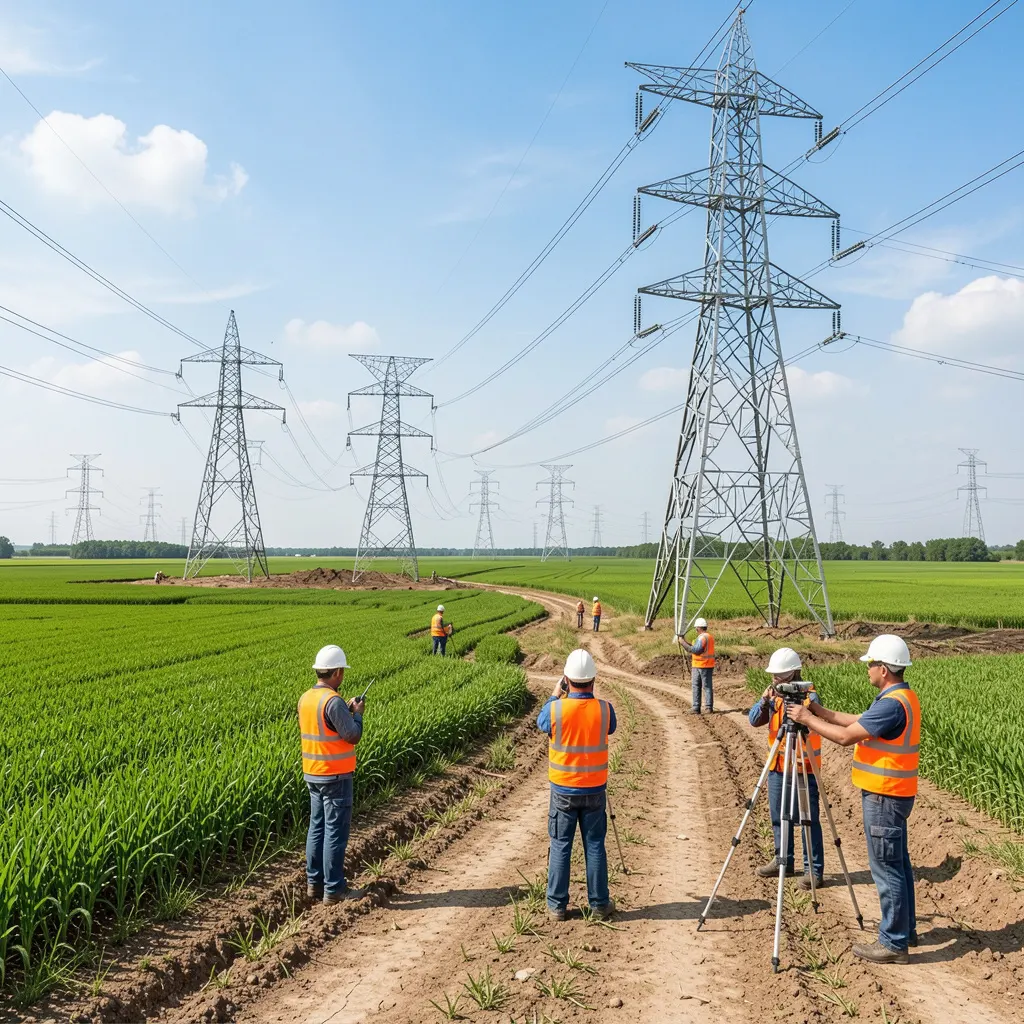
What Is Eminent Domain?
Eminent domain is the legal authority allowing governments—and, in some cases, regulated utility companies—to acquire private property for projects considered to serve a public purpose. Under the Fifth Amendment of the U.S. Constitution, property owners are generally entitled to “just compensation” when land is taken.
The U.S. Department of Justice explains that eminent domain authority is governed by federal and state laws, while many utility projects are regulated through state public utility commissions.
Can Utilities Really Take Your Land?
In many states, utilities cannot simply seize private property because they want to build infrastructure. They typically must demonstrate that the project serves the public interest, obtain necessary regulatory approvals, and negotiate with landowners before seeking eminent domain authority.
The Federal Energy Regulatory Commission (FERC) oversees portions of the nation’s interstate energy infrastructure, while individual state agencies often review transmission line proposals before construction begins.
Your Rights as a Property Owner
If your property is affected by a proposed transmission project, you generally have several important rights:
- Receive advance notice of proposed acquisitions.
- Review project plans and environmental documents.
- Negotiate compensation for easements or property purchases.
- Challenge valuations through legal proceedings.
- Participate in public hearings where applicable.
Organizations such as the National Conference of State Legislatures (NCSL) provide resources explaining how eminent domain laws vary across states.

Balancing Growth and Property Rights
The AI revolution is creating enormous opportunities for economic growth, but it also requires massive investments in electricity infrastructure. Policymakers, utilities, and landowners face the challenge of balancing technological progress with private property rights.
Experts from the National Renewable Energy Laboratory (NREL) emphasize that expanding energy infrastructure will require careful planning, community engagement, and fair compensation to maintain public trust.
The rapid expansion of data centers is reshaping America’s energy landscape. While utilities may have eminent domain authority under certain legal conditions, landowners are not without protections. Understanding your state’s laws, seeking professional legal advice when necessary, and participating in public review processes can help ensure your rights are protected as new infrastructure projects move forward.
#DataCenters #AIInfrastructure #PropertyRights #EminentDomain #Energy #Utilities #Landowners #TechNews #USNews