

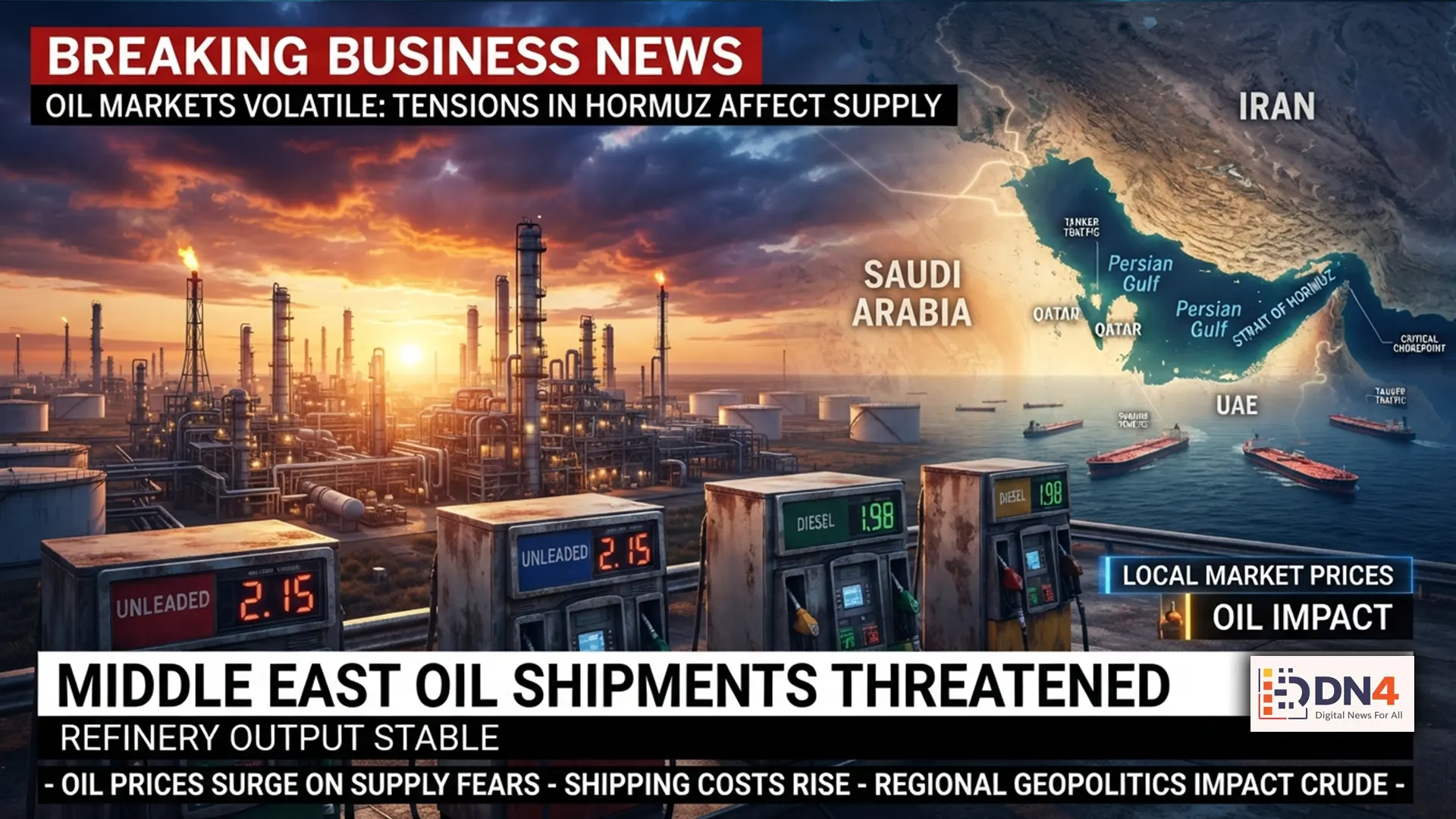
Escalating tensions across West Asia have once again raised concerns about global energy security and fuel prices. The region remains one of the world’s most important sources of crude oil, and any disruption to production or shipping routes can quickly affect international markets. While oil prices have experienced short-term volatility following recent military developments, analysts continue to assess whether the latest conflict could lead to a sustained increase in prices at gas stations worldwide.
Energy markets often respond immediately to geopolitical uncertainty. Even without major supply disruptions, traders may push prices higher if they believe conflict could threaten future oil exports. Consumers usually feel these changes through higher gasoline and diesel prices, although the timing varies from country to country.
Why West Asia Matters to Global Energy
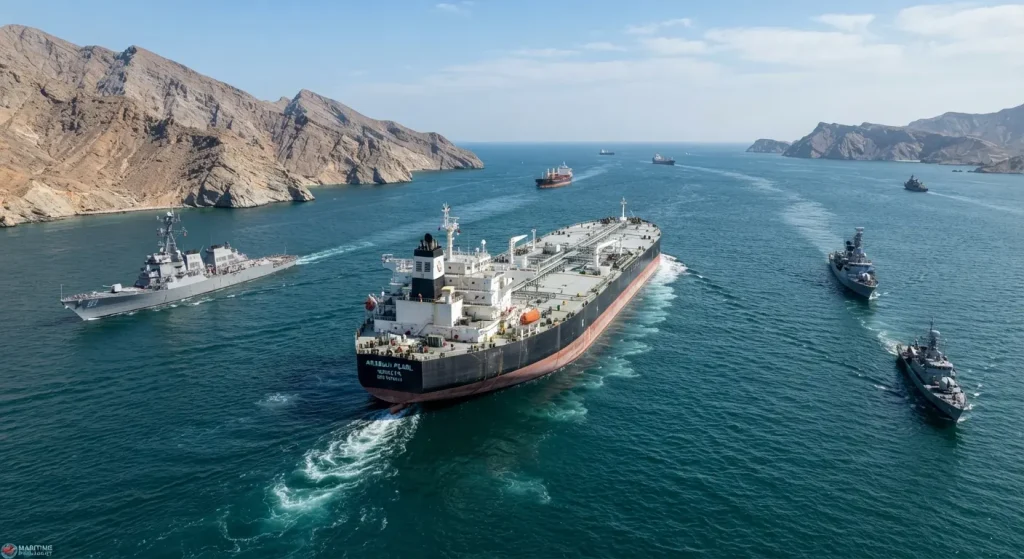
West Asia accounts for a significant share of the world’s oil production and exports. Countries across the region supply millions of barrels of crude oil every day, making stability essential for global energy markets. According to the U.S. Energy Information Administration (EIA), the Strait of Hormuz remains one of the world’s most critical oil transit routes, with a large percentage of internationally traded crude passing through the narrow waterway.
Any disruption to shipping in this area could delay exports, reduce available supply, and increase transportation costs. These risks often influence oil prices even before physical shortages occur.
How Conflicts Affect Fuel Prices
Oil prices depend on more than supply and demand. Political instability, military activity, sanctions, and shipping risks can all increase market uncertainty. Investors frequently respond by purchasing oil futures, which may push benchmark crude prices higher. Organizations such as the International Energy Agency (IEA) closely monitor these developments to assess their impact on global energy supplies.
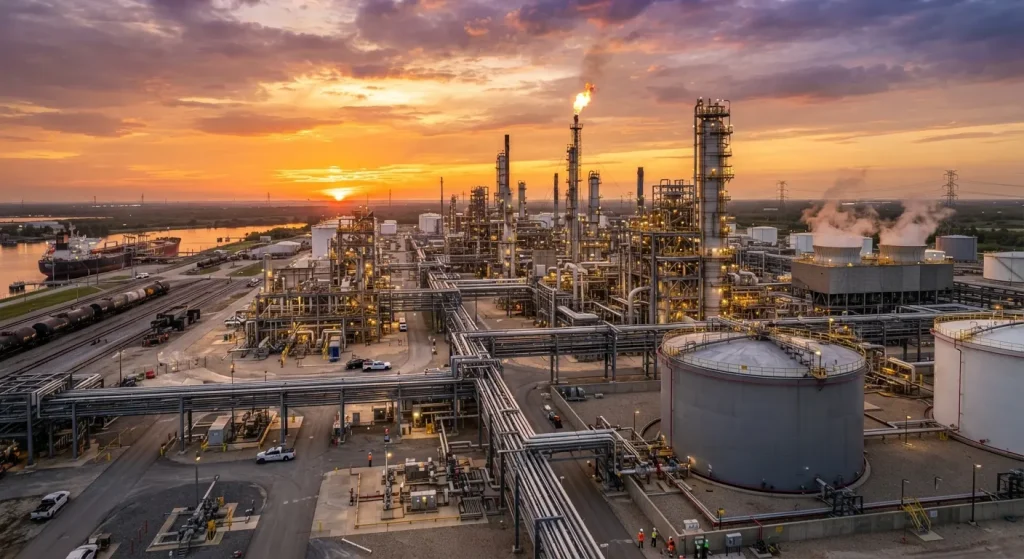
If crude oil prices continue rising, refiners often face higher production costs. Those increases may eventually reach consumers through more expensive gasoline, diesel, and aviation fuel.
Could Prices Rise Significantly?
Whether fuel prices increase sharply depends on several factors. Analysts will closely watch the duration of the conflict, the safety of major shipping lanes, and the response of oil-producing countries. Additional production from other exporters could help offset supply concerns if disruptions remain limited.
The Organization of the Petroleum Exporting Countries (OPEC) continues to play a central role in balancing global oil production, while governments may also release strategic petroleum reserves if market conditions worsen.
What Consumers Should Expect
Consumers may notice temporary price fluctuations even if oil supplies remain stable. Retail fuel prices usually respond more slowly than wholesale crude prices because taxes, refining costs, and local market conditions also influence what drivers pay at the pump.
Financial analysts continue monitoring developments through reporting from Reuters, Bloomberg, and the International Monetary Fund (IMF), which evaluate the broader economic impact of geopolitical instability. Although the current situation has increased uncertainty, the long-term effect on fuel prices will depend on whether the conflict disrupts energy production or international shipping on a significant scale.
#WestAsia #OilPrices #FuelPrices #EnergyMarkets #CrudeOil #MiddleEast #GlobalEconomy #BreakingNews