

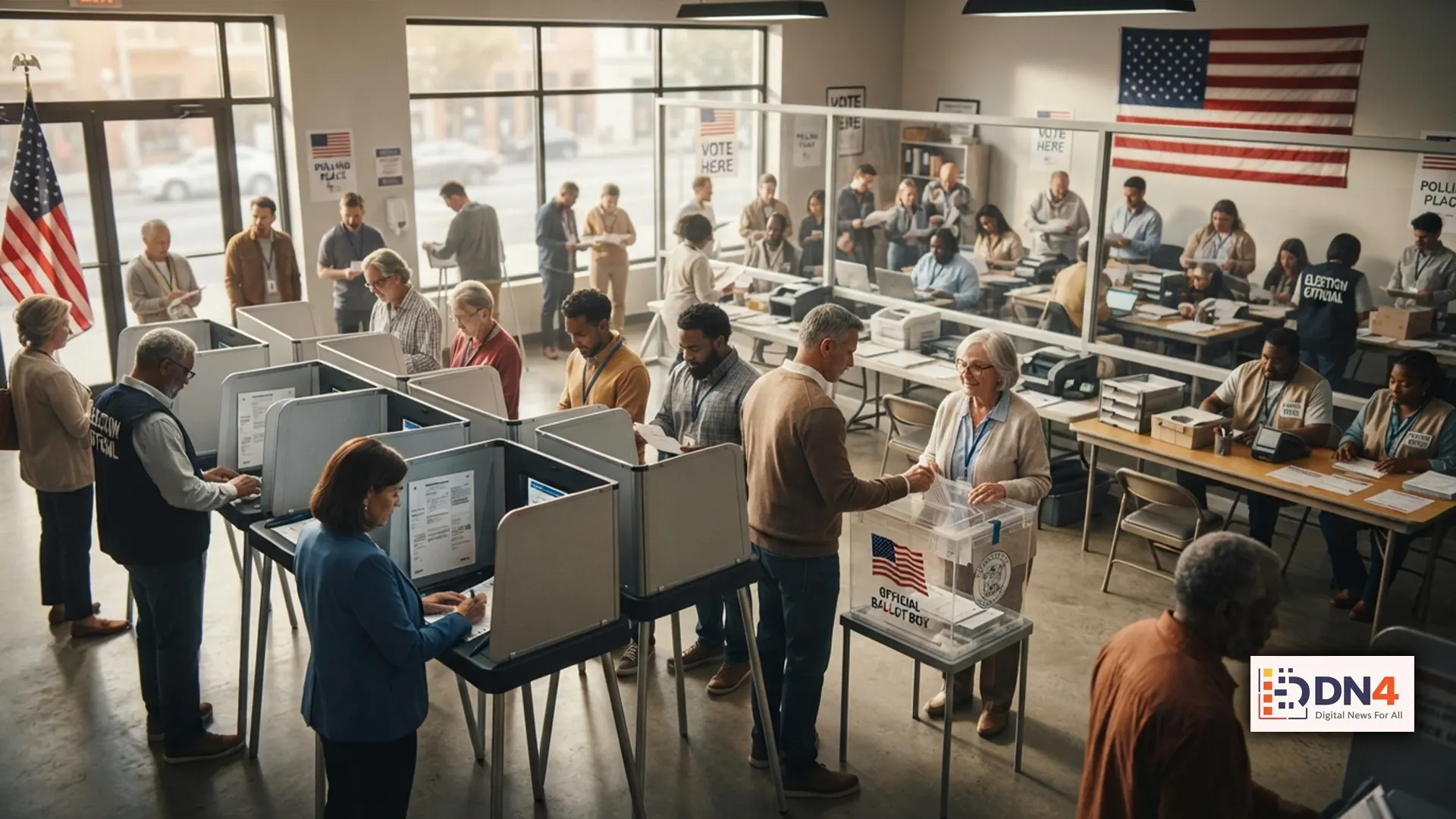
Election integrity has become one of the most discussed topics in American politics. Supporters of stronger election safeguards argue that public confidence depends on secure voting systems and transparent procedures. Others emphasize that multiple audits, court rulings, and election officials have consistently found no evidence of widespread fraud capable of changing the outcome of recent national elections. Understanding the difference between verified facts and unverified claims is essential for informed public discussion.
Election integrity encompasses the laws, technologies, and administrative processes that protect voting. It ensures every eligible voter can cast a ballot and that every valid vote is counted accurately. It also includes public transparency, post-election audits, cybersecurity, and legal oversight.
How U.S. Elections Are Administered
Unlike many countries, the United States does not operate elections through a single national agency. Instead, elections are administered primarily by state and local officials under state law. Guidance and resources are provided by organizations such as the U.S. Election Assistance Commission (EAC), while cybersecurity support comes from the Cybersecurity and Infrastructure Security Agency (CISA).
This decentralized system means voting procedures can vary by state, including voter registration requirements, early voting, absentee ballots, and ballot-counting processes.
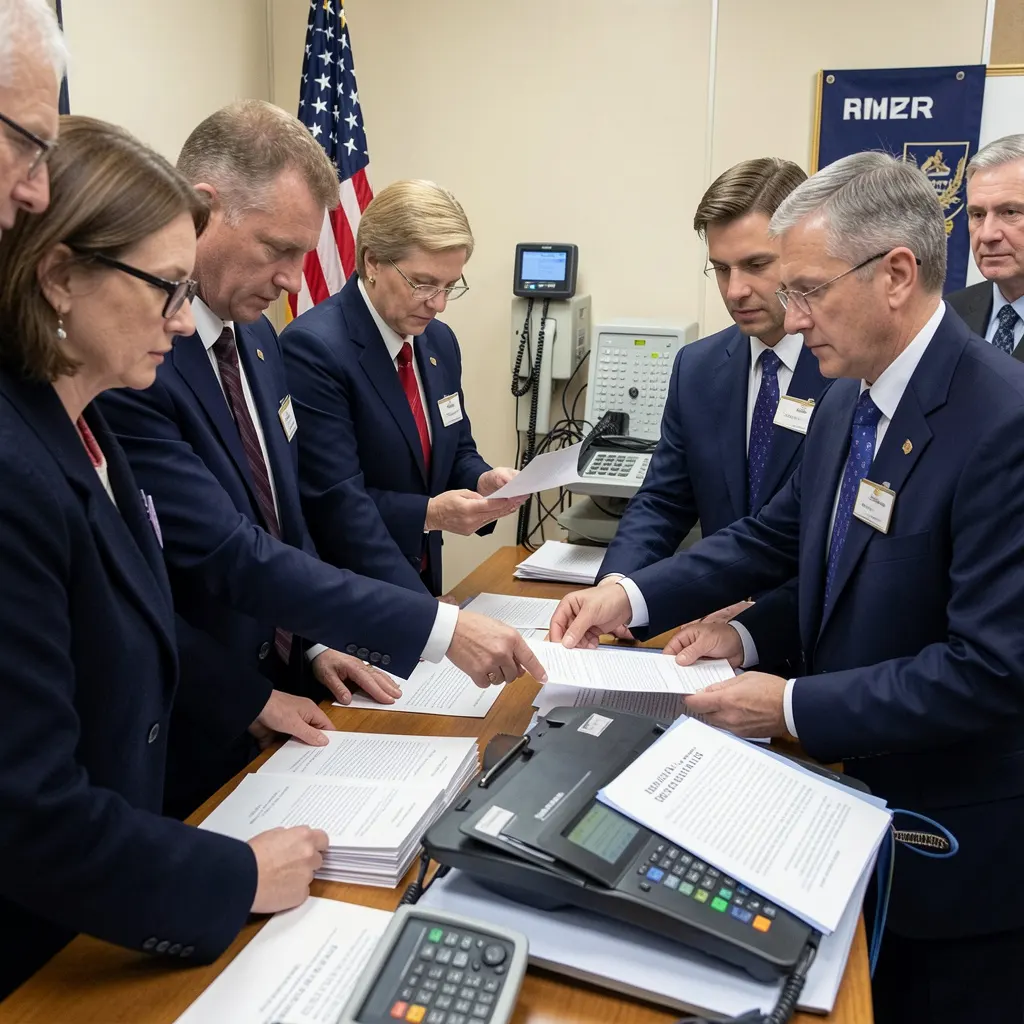
Common Election Integrity Claims
Public debate often focuses on issues such as voter identification laws, mail-in voting, ballot drop boxes, voting machine security, and voter roll maintenance. Some advocates argue these areas require stronger safeguards to protect public confidence, while others point to existing security measures and legal protections that are already in place.
Claims regarding election fraud or irregularities are frequently investigated by state election officials, courts, and law enforcement agencies. The U.S. Department of Justice and individual state election authorities continue to review credible allegations when they arise.
What the Evidence Shows
Election audits, recounts, and court proceedings play an important role in verifying election outcomes. Numerous post-election audits have confirmed vote counts in many jurisdictions, while recounts occasionally adjust totals without necessarily changing final results. Information on election administration and best practices is also available from the National Association of Secretaries of State.
At the same time, election experts emphasize that no voting system is entirely immune from human error or isolated administrative mistakes. For that reason, safeguards such as bipartisan oversight, paper ballot records, and post-election audits are designed to identify and correct errors where necessary.

Why Public Trust Matters
Confidence in election outcomes is considered a cornerstone of democratic governance. Transparency, clear communication, and accurate reporting help voters understand how elections are conducted and why verification procedures exist. Organizations including the Brennan Center for Justice and the National Conference of State Legislatures (NCSL) regularly publish research on election laws, voting procedures, and policy reforms.
Election integrity is about ensuring elections are secure, transparent, and trusted by the public. While political debate over voting policies is likely to continue, evaluating claims through verified evidence, official investigations, and credible sources remains essential. Staying informed through reliable information helps strengthen public confidence and encourages constructive civic participation regardless of political affiliation.
#ElectionIntegrity #ElectionSecurity #Democracy #Voting #USPolitics #FactCheck #CivicEducation #ElectionFacts #PublicPolicy