

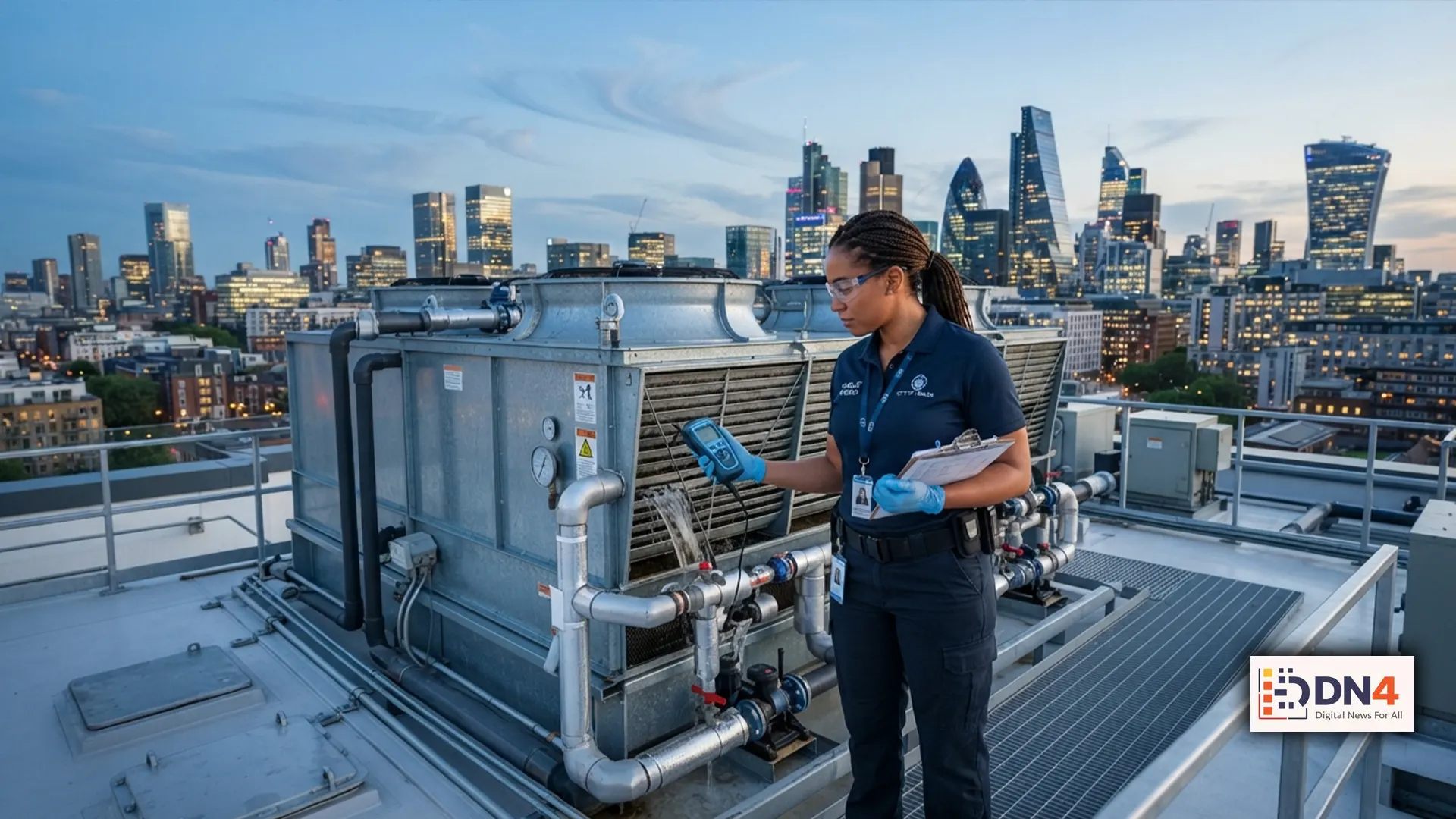
Legionnaires’ disease is a serious form of pneumonia caused by Legionella bacteria, which naturally occur in freshwater but can multiply in poorly maintained building water systems. While the disease is relatively uncommon, public health officials closely monitor cases because outbreaks can occur when contaminated water droplets are inhaled from sources such as cooling towers, decorative fountains, hot tubs, or large plumbing systems.
Although most people exposed to Legionella do not become ill, older adults, smokers, people with chronic lung disease, and those with weakened immune systems face a higher risk of developing severe infections.
What Causes Legionnaires’ Disease?
Legionnaires’ disease is not spread from person to person in most cases. Instead, infection typically occurs after breathing in tiny water droplets containing Legionella bacteria. According to the U.S. Centers for Disease Control and Prevention (CDC), common sources include cooling towers, large building plumbing systems, hot tubs, decorative fountains, and certain industrial water systems.
Building owners and facility managers play a critical role in preventing bacterial growth through proper water management plans and routine maintenance.

Recognizing the Symptoms
Symptoms usually appear between two and 14 days after exposure and often resemble other forms of pneumonia. Common warning signs include:
- High fever and chills
- Persistent cough
- Shortness of breath
- Muscle aches
- Headache
- Fatigue
- Confusion in some severe cases
If you experience these symptoms—especially after staying in a hotel, hospital, apartment building, or other large facility—and they worsen, seek prompt medical evaluation. Early diagnosis and antibiotic treatment significantly improve recovery outcomes.
How Cities Reduce the Risk
Urban areas often require building owners to follow strict water system maintenance standards. Health departments routinely inspect cooling towers and may require testing when Legionella bacteria are suspected. Guidance from the U.S. Environmental Protection Agency (EPA) and the Occupational Safety and Health Administration (OSHA) supports safe water system management in commercial buildings and workplaces.
Many municipalities also require routine cleaning, disinfection, and documentation to reduce the likelihood of bacterial growth.
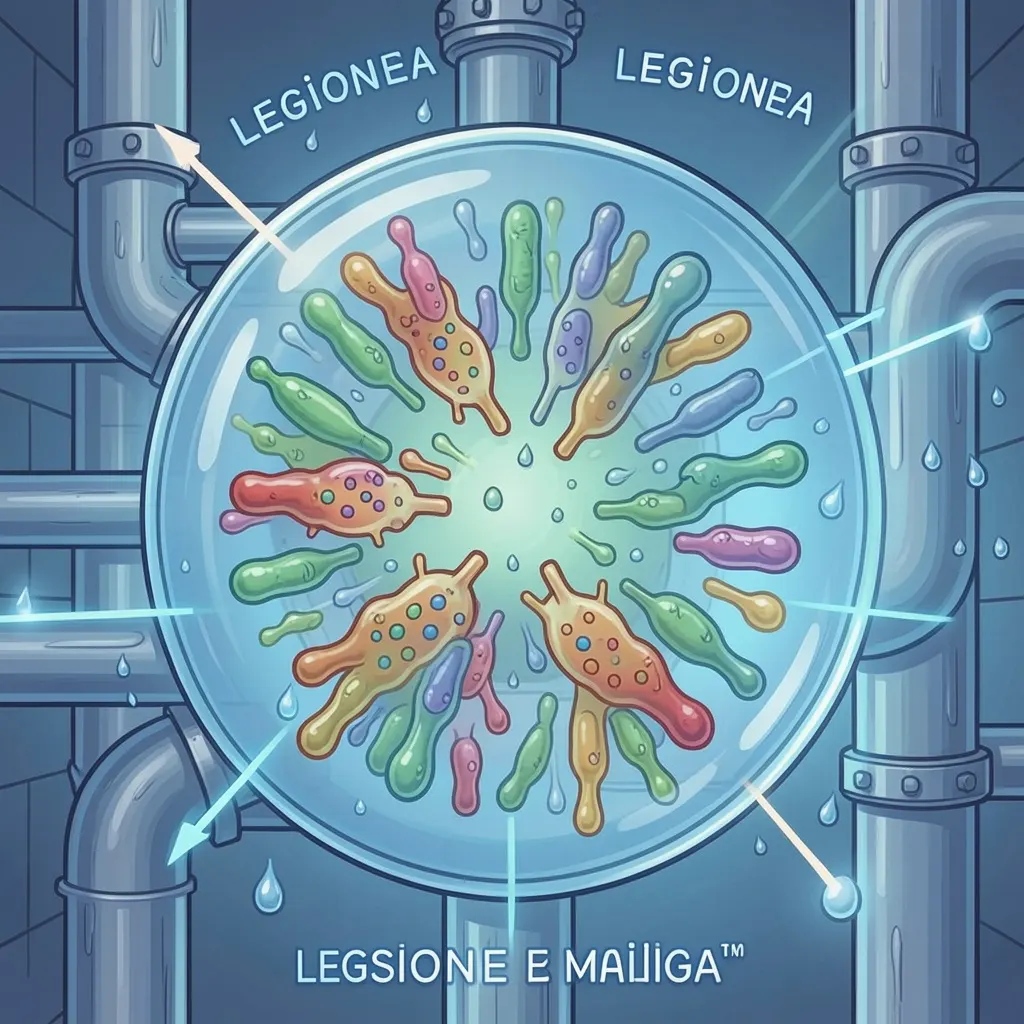
Practical Prevention Tips
Residents cannot usually see or smell Legionella bacteria, but they can reduce risk by staying informed and practicing good health habits:
- Pay attention to public health advisories issued by local health departments.
- Seek medical care if pneumonia-like symptoms develop.
- Ensure home water heaters are maintained according to manufacturer recommendations.
- If returning to a vacant home or apartment, run taps and showers to flush stagnant water.
- Property managers should maintain cooling towers, plumbing systems, and water storage equipment according to public health guidance.
Additional technical guidance is available from the World Health Organization (WHO), the ASHRAE, and the National Foundation for Infectious Diseases.
Legionnaires’ disease is uncommon but potentially serious. Proper maintenance of building water systems, rapid public health responses, and awareness of symptoms are essential to preventing outbreaks. For most urban residents, staying informed, seeking timely medical attention for pneumonia-like symptoms, and following guidance from trusted health authorities are the best ways to stay protected.
#LegionnairesDisease #PublicHealth #WaterSafety #HealthTips #CDC #UrbanHealth #DiseasePrevention #Wellness #HealthNews