

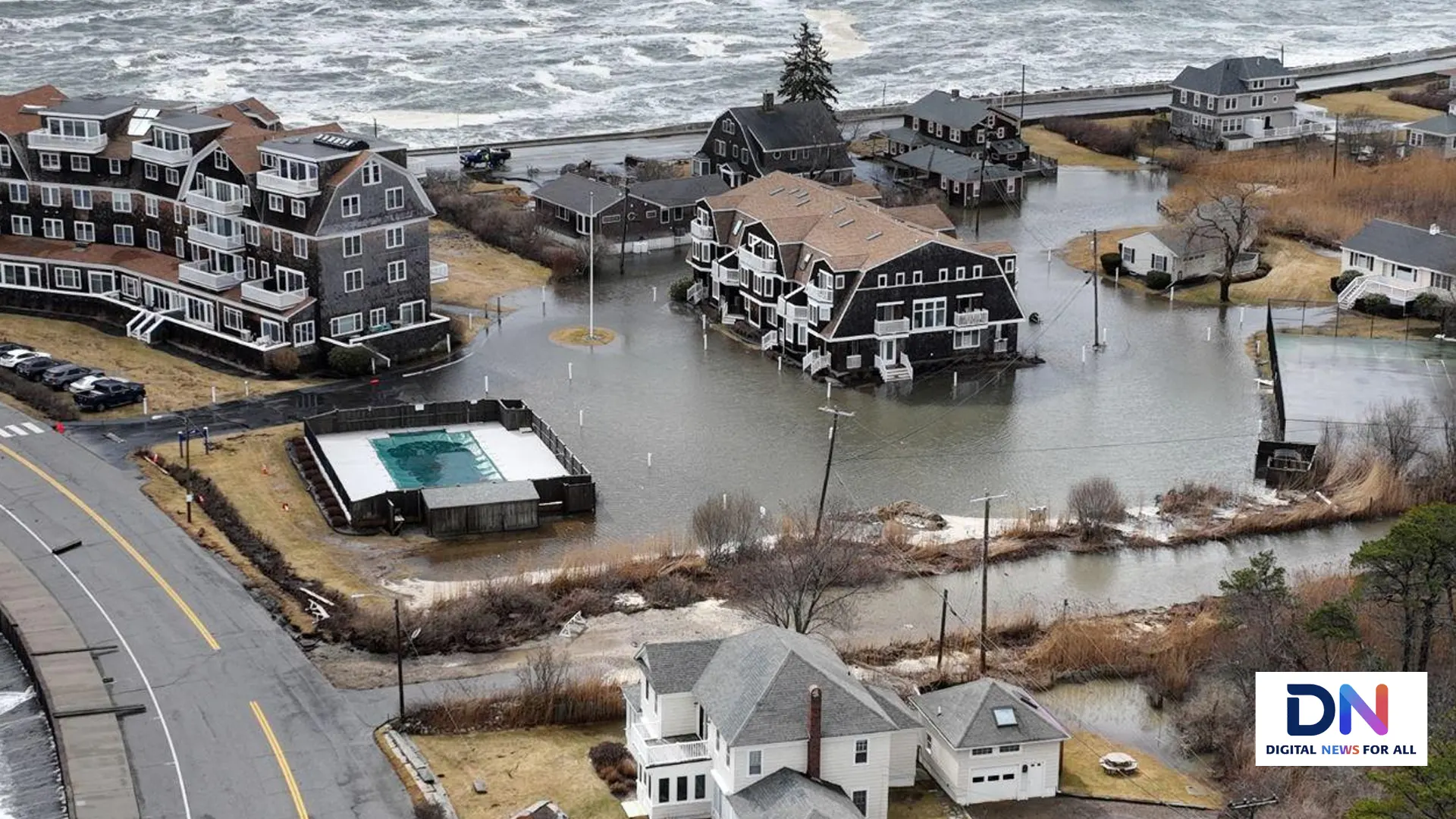
America’s coastal dream is becoming more expensive to protect. From Florida’s waterfront communities to exposed stretches of the Carolinas and Texas, homeowners face rising insurance costs and fewer coverage options. The growing coastal insurance crisis is putting pressure on household budgets, property values, and the financial future of beach towns.
The problem is not simply that insurers are abandoning entire coastlines. Many companies are limiting new policies, tightening eligibility rules, or refusing to renew selected properties. The result can be just as disruptive for homeowners who struggle to find affordable replacement coverage.
Why Insurers Are Rethinking Coastal Property
Insurance companies calculate premiums around the potential cost of future claims. Hurricanes, storm surges, coastal flooding, and expensive rebuilding can make certain properties harder to insure profitably. Rising construction costs also mean that repairing or replacing a damaged home can cost substantially more than it did years ago.
A 2026 report from the U.S. Government Accountability Office found that inflation-adjusted homeowners insurance premiums increased by at least 25% in some high-risk southern coastal areas between 2019 and 2024. The inflation-adjusted national average rose about 3% over the same period.
Insurers also manage how much risk they hold in one region. When too many homes face the same hurricane threat, a single disaster could generate enormous claims. Companies may respond by raising rates, limiting coverage, or reducing their exposure in selected markets.
Climate Risk Is Changing the Housing Equation
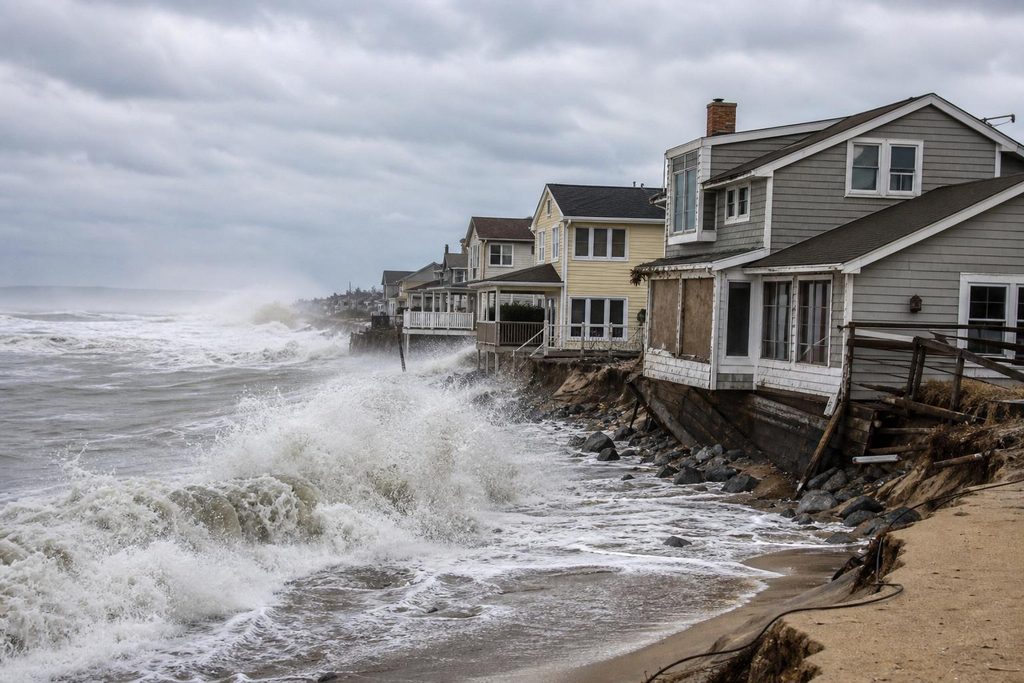
Coastal properties face different levels of danger, even within the same town. Elevation, distance from the shoreline, construction standards, drainage, and storm history can all influence insurance decisions.
The National Oceanic and Atmospheric Administration explains how rising seas increase the threat of coastal flooding. Meanwhile, the Federal Emergency Management Agency’s flood maps help property owners assess mapped flood hazards, although a map cannot capture every possible risk.
Climate exposure is only part of the calculation. The National Association of Insurance Commissioners says the national market remains active, but regional conditions differ. Claims costs, rebuilding expenses, non-renewals, and insurer participation all shape local availability.
When Insurance Costs Threaten Property Values
Insurance has become a critical part of the home-buying decision. Mortgage lenders generally require homeowners to maintain suitable property coverage. When premiums rise sharply or policies become difficult to obtain, buyers may reconsider a purchase or struggle to qualify for financing.
Some owners turn to state-backed plans or surplus-lines insurers when traditional coverage is unavailable. However, these alternatives may have higher costs, narrower protection, or different consumer safeguards. A Washington Post report on last-resort insurance describes the growing use of surplus coverage in areas facing insurance pressure.
Research from the Urban Institute also highlights how rising premiums can push households toward higher deductibles, state-supported coverage, or going without insurance. Each choice carries financial risks.
Can Beach Towns Avoid an Insurance Breakdown?
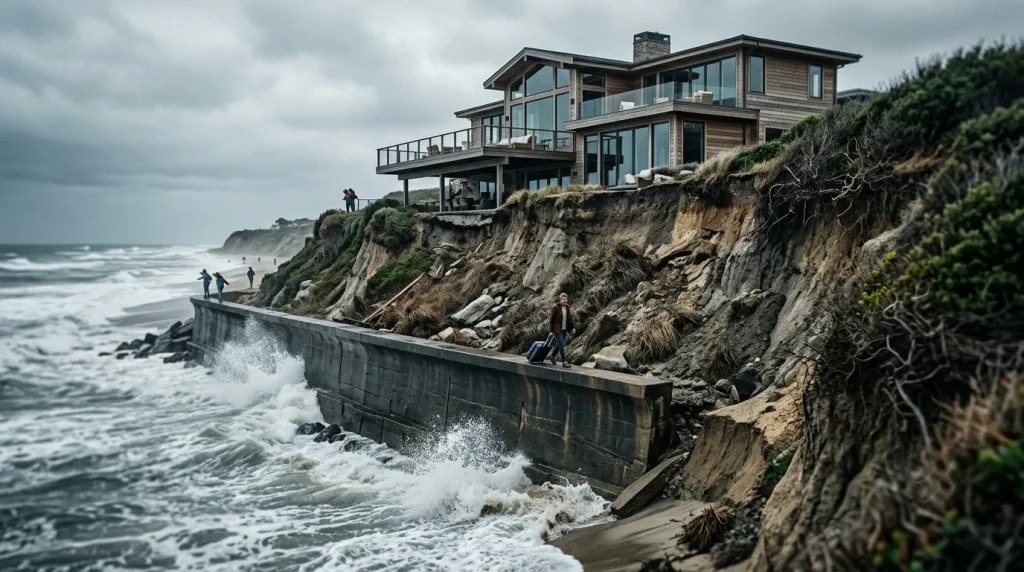
Local governments can reduce some risks by improving drainage, strengthening building codes, protecting natural coastal barriers, and investing in flood-resilient infrastructure. Homeowners can also explore wind-resistant upgrades, elevation measures where practical, and mitigation discounts offered by insurers.
The FEMA floodplain management program provides guidance on reducing flood exposure and managing development in vulnerable areas. Yet adaptation requires funding, planning, and sustained cooperation among residents, insurers, and public agencies.
The future of American beach towns will depend on more than scenic views and real estate demand. If insurance becomes unaffordable or unavailable, even desirable properties can face growing financial pressure. The coastal insurance crisis is therefore not just an insurance industry story. It is a warning about housing affordability, disaster preparedness, and the long-term cost of living near the water.
#CoastalRealEstate #InsuranceCrisis #ClimateRisk #HomeownersInsurance #BeachTowns #FloodRisk #RealEstateNews #HousingMarket #ClimateChange