

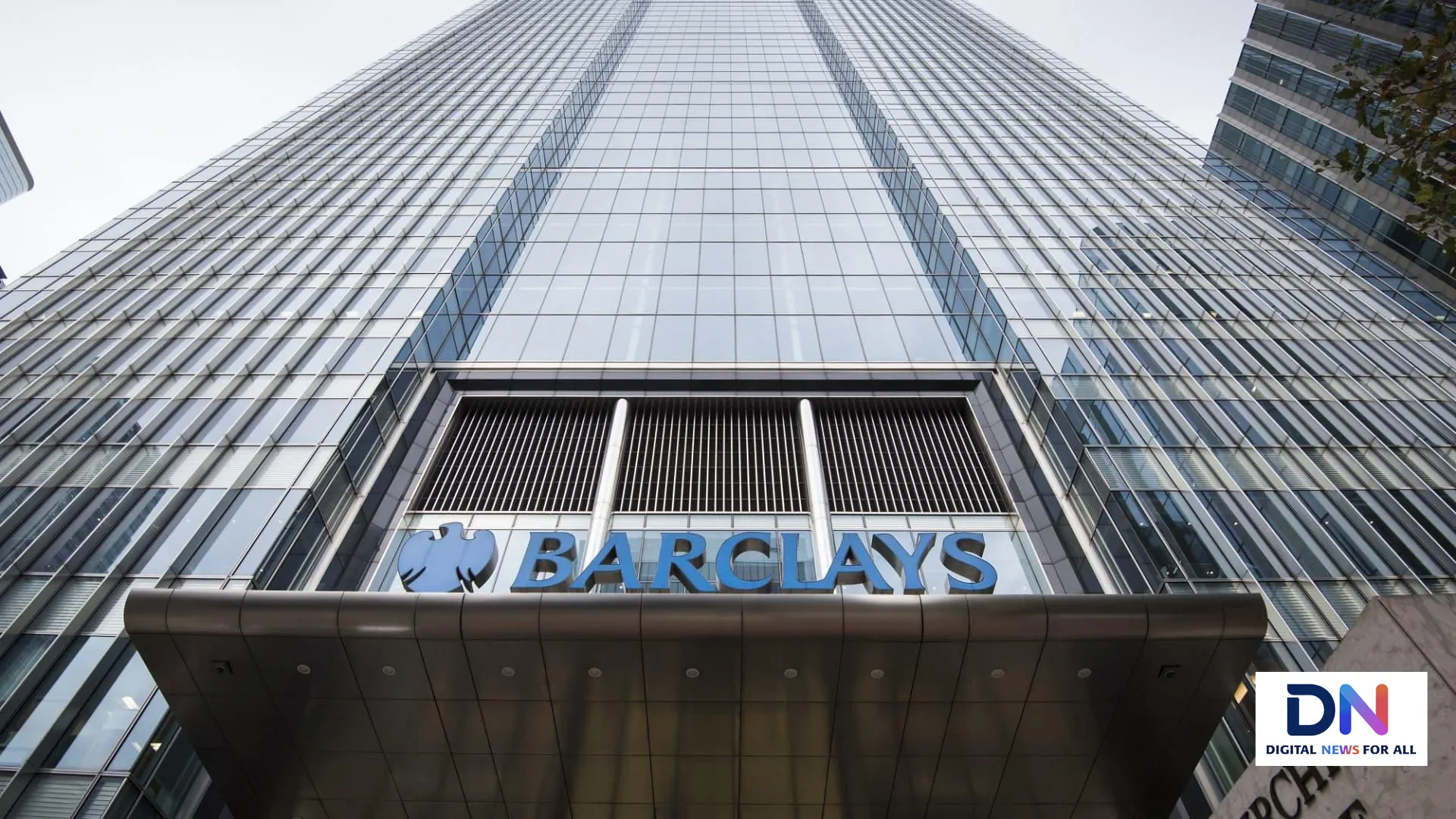
Barclays job cuts are raising fresh questions about the banking industry’s outlook as financial firms weigh artificial intelligence, operating costs, and uncertain market conditions. The British lender plans to eliminate around 5,000 roles by the end of 2026, but the move does not, by itself, prove that Wall Street is preparing for a recession.
On October 22, Barclays said the reductions represented roughly 5% of its workforce. About 1,000 positions had already been eliminated, with another 4,000 expected to go by year-end. Chief Financial Officer Anna Cross said around 60% of the cuts would affect support functions, including developer roles, as the bank uses technology to improve efficiency.
Reuters’ report on the announcement details the bank’s restructuring and the pressures facing its investment banking business.

Why Is Barclays Cutting Jobs?
Automation is a central part of the story. Banks are investing in artificial intelligence and modern software to streamline administrative work, support operations, and selected development tasks. These tools can reduce the time needed for routine processes, although companies still face costs associated with technology, compliance, security, and implementation.
Barclays also reported third-quarter profit of £2.3 billion, up 12% from a year earlier. However, earnings missed analysts’ forecasts, while fixed-income trading income fell 19%. Its equities trading business performed more strongly, showing that conditions can differ sharply across banking divisions.
Banking Dive’s industry coverage describes how AI adoption and restructuring are reshaping staffing decisions across financial services.
Does This Signal a Wider Financial Slowdown?
Not necessarily. A company can cut jobs to improve profitability even while its earnings rise. Barclays’ announcement reflects technology investment and cost control, alongside uneven investment-banking performance. It is not conclusive evidence of an economy-wide contraction.
Investors should look at broader indicators before drawing that conclusion. The US Bureau of Labor Statistics employment reports track hiring and unemployment, while the Federal Reserve’s Financial Stability Report assesses vulnerabilities across the financial system. The International Monetary Fund’s World Economic Outlook provides further context on global growth risks.

What Wall Street Should Watch Next
Key signals include bank earnings, credit losses, lending standards, dealmaking activity, and trends in hiring. A sustained deterioration across several indicators would offer stronger evidence of a slowdown than one bank’s restructuring announcement.
For workers, the immediate message is clearer: banking roles involving repetitive processes may face increasing pressure as automation spreads. For investors, the challenge is separating long-term efficiency strategies from signs of weakening demand. Barclays’ cuts are significant, but whether they foreshadow a wider downturn will depend on what the broader economic data show next.
#Barclays #BankingJobs #WallStreet #FinancialMarkets #AIinBanking #BankingIndustry #EconomicOutlook #JobCuts #GlobalEconomy