

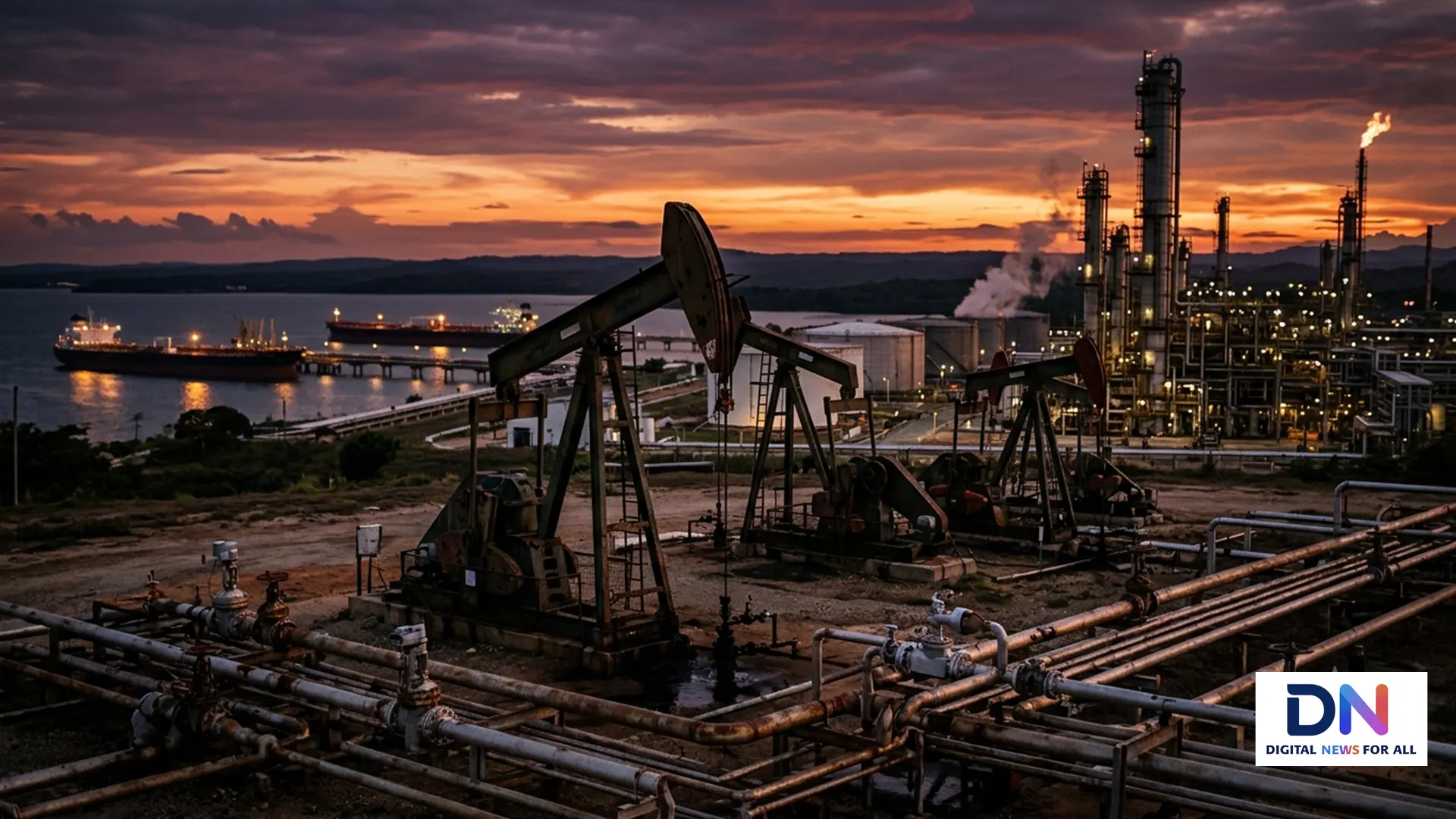
Venezuela oil investment is back in focus after the US Treasury Department announced a change to its outbound investment screening rules on October 22, 2026. The move could influence investor sentiment, but it does not amount to a blanket lifting of sanctions on Venezuela’s oil industry.
Treasury removed Venezuela from the list of countries covered by proposed expanded restrictions on certain US investments in sensitive technologies abroad. The rules focus on national security sectors such as artificial intelligence, semiconductors, quantum technology, and biotechnology. The change reflects the department’s assessment of Venezuela’s current government under the program’s legal definitions.
Read the official Treasury announcement and Reuters’ report on the rule change for the distinction between investment screening and energy sanctions.
Why the Oil Sector Still Matters
Venezuela holds enormous proven oil reserves, but years of underinvestment, operational problems, and sanctions have limited production. Separate US authorizations have already allowed certain oil sales and operations. However, companies must still check the terms of applicable licenses and restrictions before investing or conducting transactions.
The Treasury Department’s OFAC Venezuela sanctions page lists the current sanctions framework and general licenses. Earlier measures have authorized specified activities involving oil exports, operations, and investment negotiations, but those permissions do not mean every transaction is automatically allowed.
What Could Happen to Oil Prices?
If broader authorizations and new capital eventually help Venezuela increase production, additional crude could add to global supply and put downward pressure on prices, all else being equal. The impact would depend on how quickly operators can repair infrastructure, secure equipment, arrange financing, and raise output.
The US Energy Information Administration’s oil-market outlook highlights how global supply, demand, inventories, and disruptions affect crude prices. Geopolitical conflicts and shipping constraints can outweigh the effect of additional Venezuelan barrels in the short term.
Which Energy Stocks Could Be Affected?
Oil producers and service companies with potential exposure to Venezuelan projects could attract investor attention as regulatory clarity improves. Chevron, international operators, and oilfield-service providers may be affected differently depending on their existing assets, license terms, project costs, and capital commitments. Refiners may also respond to changes in the availability and price of heavy crude.
However, an improved investment climate does not guarantee immediate profits. Expanding production requires substantial capital and time, while political uncertainty and contract risks remain important. The Reuters report on earlier oil-sector sanctions relief explains why authorizations and operational conditions matter to energy companies.

Market reactions can also differ from long-term fundamentals. The Associated Press’ coverage of energy stocks after earlier Venezuela policy changes illustrates how expectations about future production can move shares before output changes materially.
What Investors Should Watch
Investors should monitor new Treasury licenses, actual Venezuelan production and exports, project announcements, and global crude inventories. The October rule change is relevant to investment policy, but it should not be treated as a direct signal that oil prices will fall or energy stocks will rise. Those outcomes depend on implementation, supply growth, demand, and wider geopolitical risks.
#Venezuela #OilPrices #EnergyStocks #OilMarket #USTreasury #EnergyInvesting #Chevron #GlobalEnergy #CrudeOil