

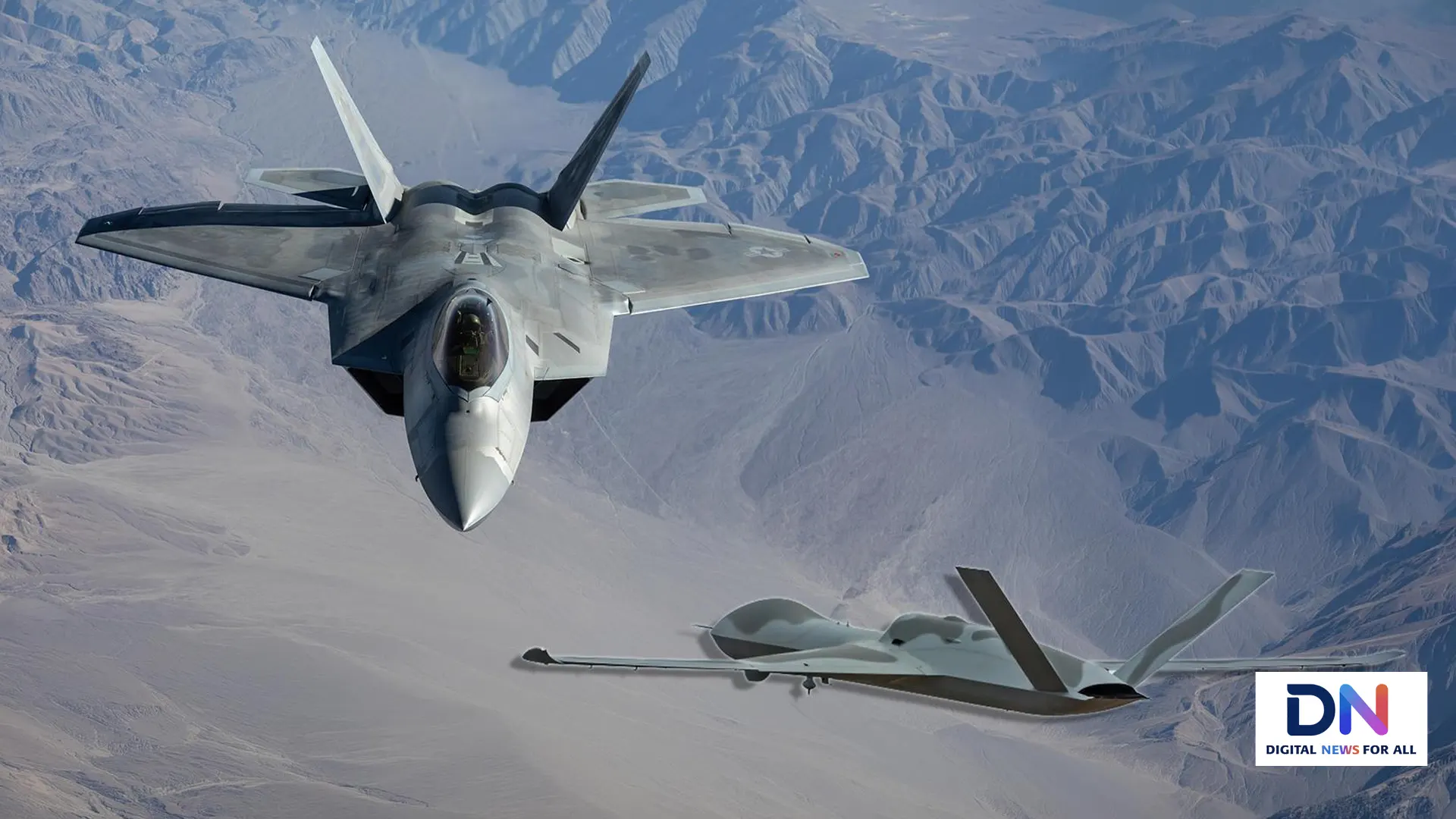
Autonomous combat aircraft are moving closer to the center of American military strategy. Artificial intelligence can now help aircraft navigate, interpret sensor data, and perform complex flight maneuvers. The U.S. Air Force is exploring how these capabilities could change aerial warfare. But should AI eventually replace human pilots in combat missions, or should people remain in command?
The Air Force Is Testing a New Model
Recent demonstrations show how quickly military aviation is changing. In October 2026, an F-22 pilot directed a YFQ-44A Collaborative Combat Aircraft during an in-flight test, sending tactical instructions to an autonomous aircraft. The reported demonstration illustrates a model in which a human pilot leads while an uncrewed aircraft carries out assigned tasks.
The Air Force and defense industry call these platforms Collaborative Combat Aircraft, or CCAs. They could support surveillance, electronic warfare, and combat operations while reducing the risks faced by human crews. The Air Force’s earlier testing also demonstrated autonomous aircraft operating alongside crewed fighters.
Why Autonomous Combat Aircraft Appeal to Military Planners
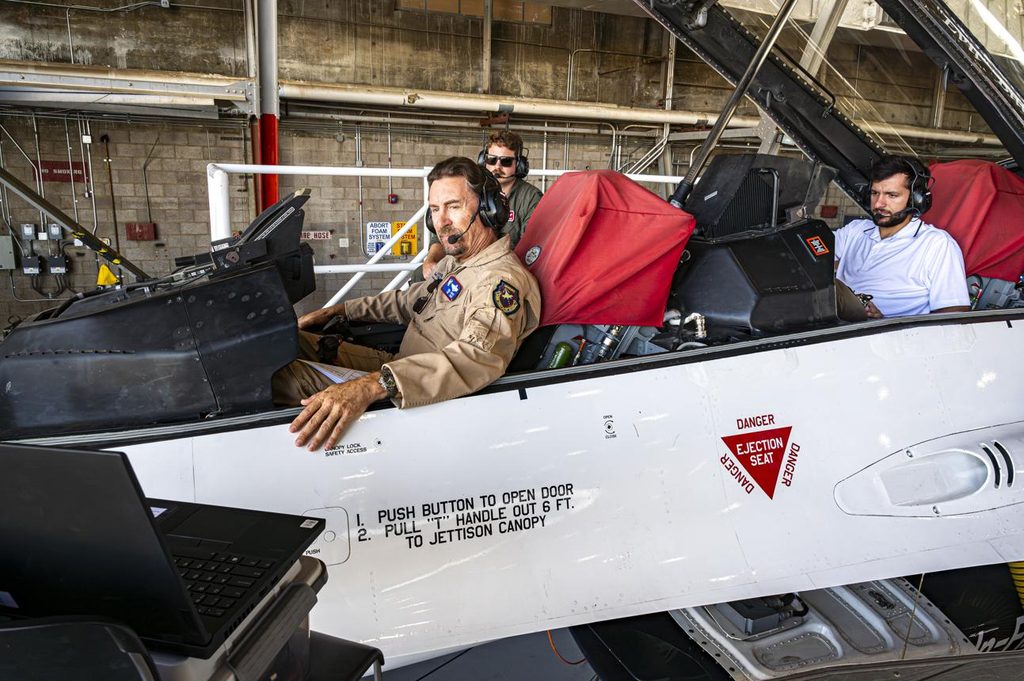
Human pilots require extensive training, life-support systems, and aircraft designed around crew safety. Uncrewed aircraft could reduce some of those constraints and allow commanders to deploy more aircraft across dangerous missions.
AI can also process large volumes of sensor information quickly. DARPA’s VENOM program is testing AI-controlled flight using modified F-16 aircraft, with human personnel monitoring the experiments. Its Artificial Intelligence Reinforcements program aims to advance AI-driven tactical autonomy for complex air-combat missions.
However, a successful test does not prove that AI can reliably manage every real-world combat situation. Electronic interference, unexpected maneuvers, damaged sensors, and misleading information can challenge even advanced systems.
The Risks of Removing Human Judgment
The central concern is not just whether AI can fly an aircraft. It is whether an autonomous system can make reliable decisions when civilians, allied forces, and rapidly changing battlefield conditions complicate a mission.
The Congressional Research Service explains that U.S. policy requires appropriate levels of human judgment over the use of force. Human supervision, however, can take different forms, and its practical limits remain important questions.
In July 2026, the Air Force reported a live-fire test involving a YFQ-44A and an AIM-120 weapon. The service stated that human operators retained the decision to release weapons. Its official announcement highlights the distinction between autonomous flight functions and autonomous decisions to use lethal force.
Researchers at the Carnegie Endowment for International Peace have also examined the operational and legal barriers to wider military AI adoption.
Replace Pilots or Give Them AI Wingmen?
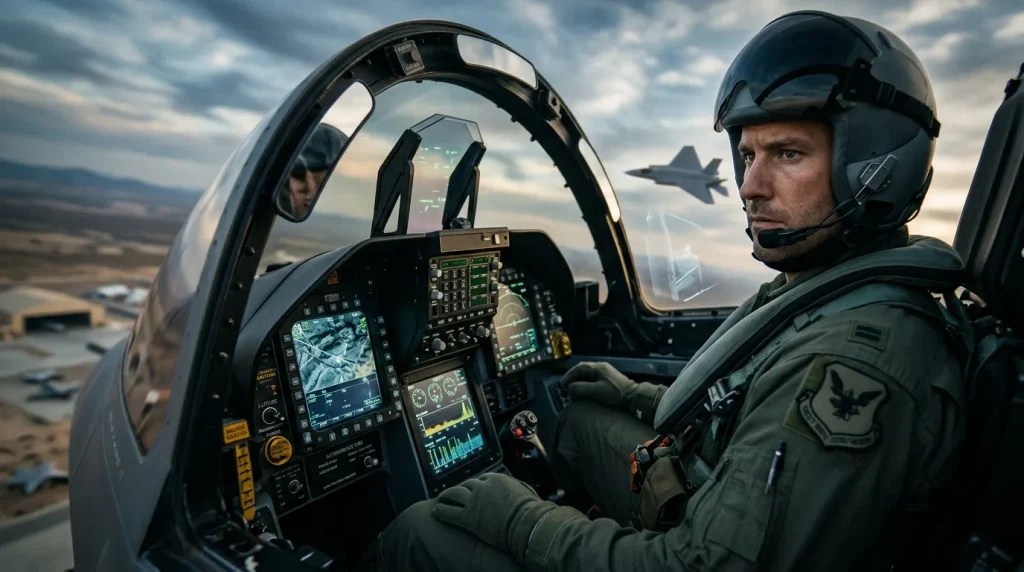
The strongest near-term case is for a hybrid force. Human pilots could make high-level decisions while autonomous aircraft handle selected tasks under clearly defined constraints. This approach could increase operational reach without immediately surrendering human oversight.
Ultimately, autonomous combat aircraft may transform the future of air power, but technical performance alone cannot settle the debate. Military leaders must also address accountability, reliability, civilian protection, and the consequences of software failure. The decisive question is not whether AI can fly a fighter. It is how much responsibility a nation should allow a machine to exercise in war.
#ArtificialIntelligence #USAirForce #MilitaryTechnology #AutonomousAircraft #FutureOfWarfare #DefenseTech #Aviation #AIWeapons #MilitaryInnovation