

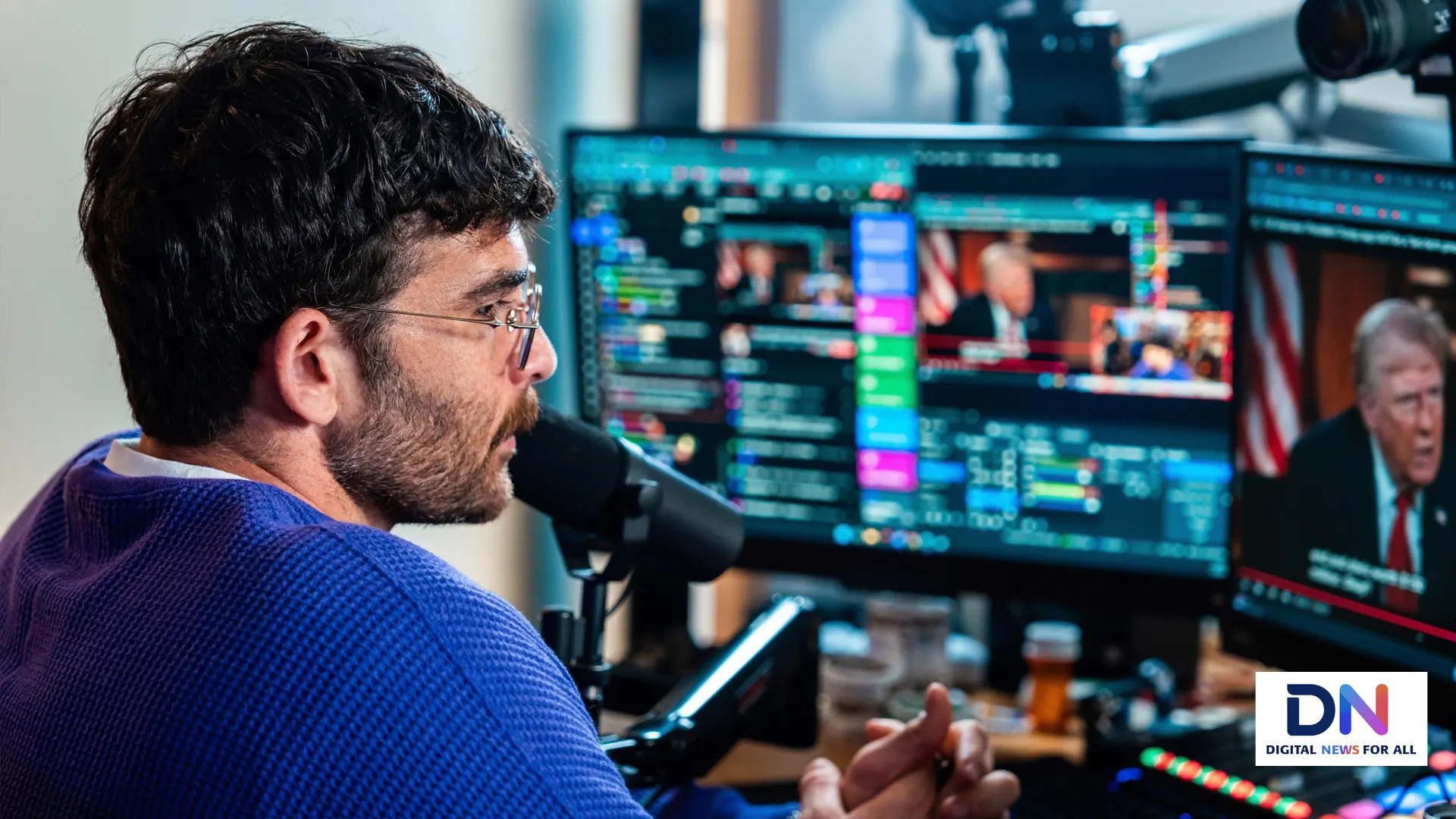
Independent content creators are navigating a digital media landscape where platform rules, government oversight, and political disputes increasingly overlap. Recent federal pressure on broadcasters and scrutiny of online news distribution have raised concerns about whether regulatory actions could influence what Americans see, hear, and publish.
The debate is not limited to large television networks. Independent journalists, podcasters, commentators, and video creators depend on distribution platforms, advertising, and audience access. Changes in these systems can affect their livelihoods, even when regulators do not directly oversee their individual accounts.
Why the FCC Is Under Scrutiny
The Federal Communications Commission regulates broadcast licensing and certain communications services. It does not have general authority to control everything posted on YouTube, TikTok, or other online platforms. However, its actions toward licensed broadcasters can influence the wider media environment.
On October 24, 2026, Reuters reported that FCC Commissioner Anna Gomez urged broadcasters to respond more forcefully to what she characterized as government pressure on news coverage. The dispute followed FCC Chairman Brendan Carr’s warnings about allegedly fake polls aired by broadcasters ahead of the midterm elections.
Critics argue that threats involving broadcast licenses can encourage news organizations to avoid controversial coverage. Supporters of tougher oversight argue that broadcasters must comply with applicable rules. The key question is whether regulatory action follows established legal standards or creates pressure around editorial decisions.

Big Tech Faces a Different Kind of Pressure
Online creators depend on companies such as YouTube, Meta, and Apple to reach audiences. These platforms set their own policies on recommendations, monetization, and content moderation, subject to applicable law. Government criticism or investigations can add pressure to those decisions without necessarily amounting to a formal order to remove content.
In February 2026, The Washington Post reported that the Federal Trade Commission had warned Apple about alleged political bias in Apple News. The episode illustrated how federal scrutiny of a technology company’s content choices can raise questions about the boundary between consumer protection and editorial independence.
A Congressional Research Service analysis published in August 2026 outlines First Amendment challenges involving social media regulation. The constitutional issues are complex: government restrictions on speech raise different concerns from private platforms enforcing their own rules.
Why Independent Creators Could Feel the Impact
Independent creators often lack the legal teams and financial reserves available to major media companies. If a platform changes its policies, reduces recommendations, or limits advertising, a creator may lose income or visibility. Government pressure that indirectly influences platform decisions could add another source of uncertainty.
Still, a decline in reach does not by itself prove government interference. Platform enforcement may reflect ordinary moderation policies, commercial decisions, or responses to legal requirements. Establishing improper pressure requires evidence of the relevant communications and actions.
The October 2025 Senate hearing on government pressure and technology companies captured the debate. Technology executives discussed government requests, while lawmakers disagreed over how past and current administrations had approached online speech.
Transparency Could Shape the Next Chapter
Media companies and creators need clear rules, consistent enforcement, and meaningful ways to challenge decisions that threaten their work. Public records, independent judicial review, and transparent platform policies can help distinguish legitimate regulation from improper pressure.
The Electronic Frontier Foundation’s free-speech resources examine the legal and policy questions surrounding expression online. Meanwhile, the FCC’s official website provides access to its rules, proceedings, and public announcements.
For independent content creators, the issue is not simply whether government or technology companies have power. Both do, in different ways. The lasting challenge is ensuring that regulation, moderation, and commercial decisions remain transparent while protecting lawful expression and accountability.
#FCC #BigTech #ContentCreators #FreeSpeech #FirstAmendment #DigitalMedia #ContentModeration #MediaFreedom #TechPolicy