

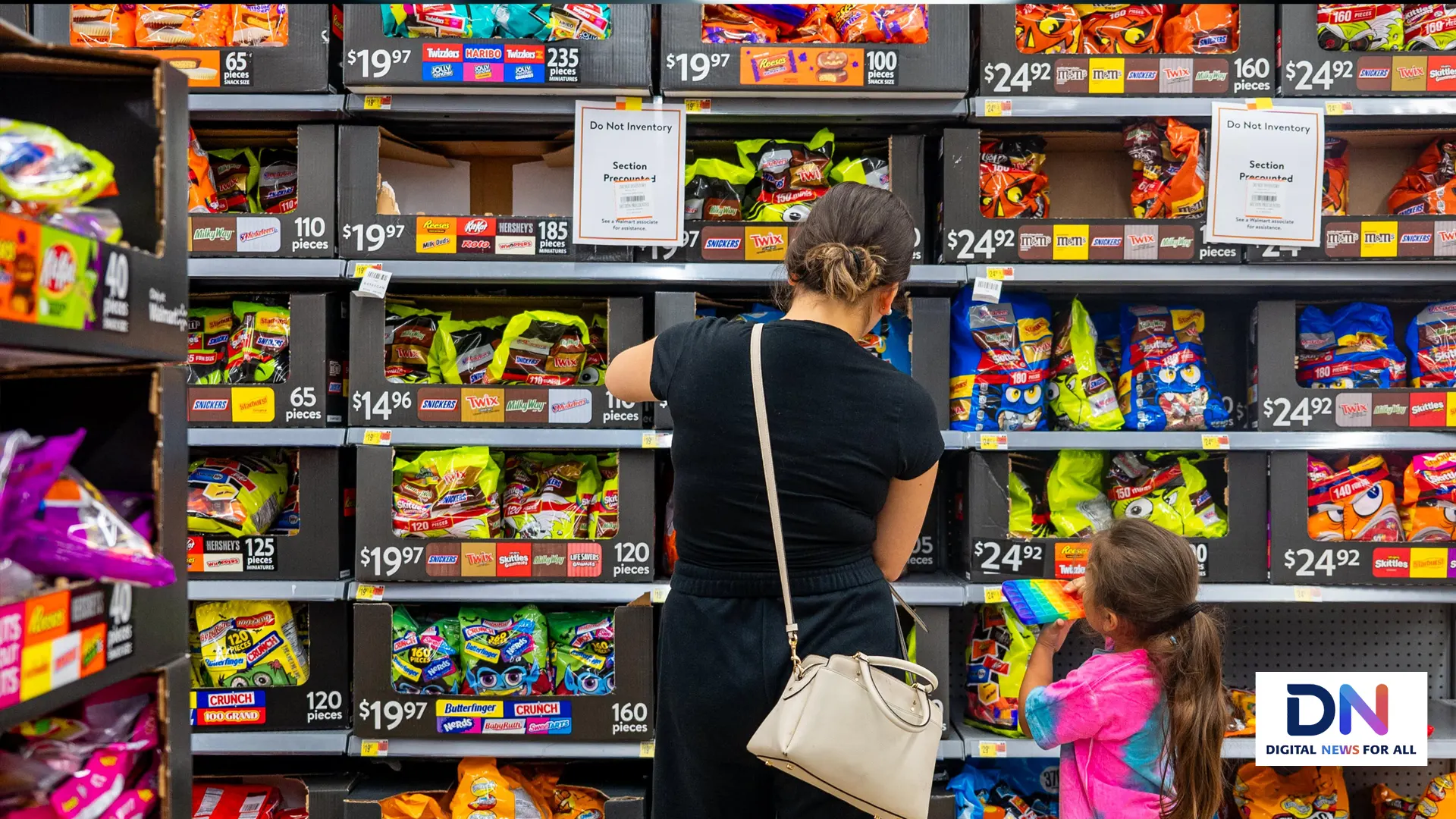
Halloween inflation is forcing American families to reconsider how much they spend on candy, costumes, decorations, and neighborhood celebrations in 2026. Higher prices are not stopping the holiday, but they are changing how shoppers prepare for trick-or-treating and family festivities.
The National Retail Federation forecasts that total US Halloween spending will reach $13.5 billion this year, up from $13.1 billion in 2025. Its survey estimates average spending of $115.14 per person. Yet strong overall spending does not mean every household feels comfortable with the cost.
According to the NRF’s 2026 Halloween survey, 79% of consumers expect tariffs to push Halloween prices higher. Many shoppers are responding by comparing prices, searching for promotions, and choosing items they can reuse.
Why Halloween Candy Costs More
Candy has become a particular concern for families buying treats for neighborhood visitors. A Bureau of Labor Statistics analysis explains how higher cocoa, sugar, and corn-syrup costs have contributed to confectionery price increases. Weather disruptions in major growing regions and supply-chain pressures have added to the problem.
The USDA’s 2026 Food Price Outlook reported that prices for sugar and sweets were 7.4% higher in July than a year earlier. Separately, a recent Groundwork Collaborative and Century Foundation analysis found selected Halloween candy products had risen 15.3% year over year. That figure reflects the products examined, not every candy brand or store.
Costumes and Decorations Stretch Budgets
Candy is only one part of the bill. Children may outgrow costumes in a single year, while themed outfits, accessories, decorations, and seasonal activities add more expenses. The NRF expects shoppers to spend billions on costumes and decorations in 2026, showing how much the holiday extends beyond trick-or-treat bags.
Families can reduce costs by reusing last year’s outfits, swapping costumes with neighbors, shopping secondhand, or creating simple looks from clothes they already own. The NRF’s budget-saving guidance highlights reuse and price comparisons as popular strategies. For candy, checking the price per ounce and comparing mixed bags with chocolate-only packs can help shoppers get better value.
Are Neighborhood Traditions Changing?
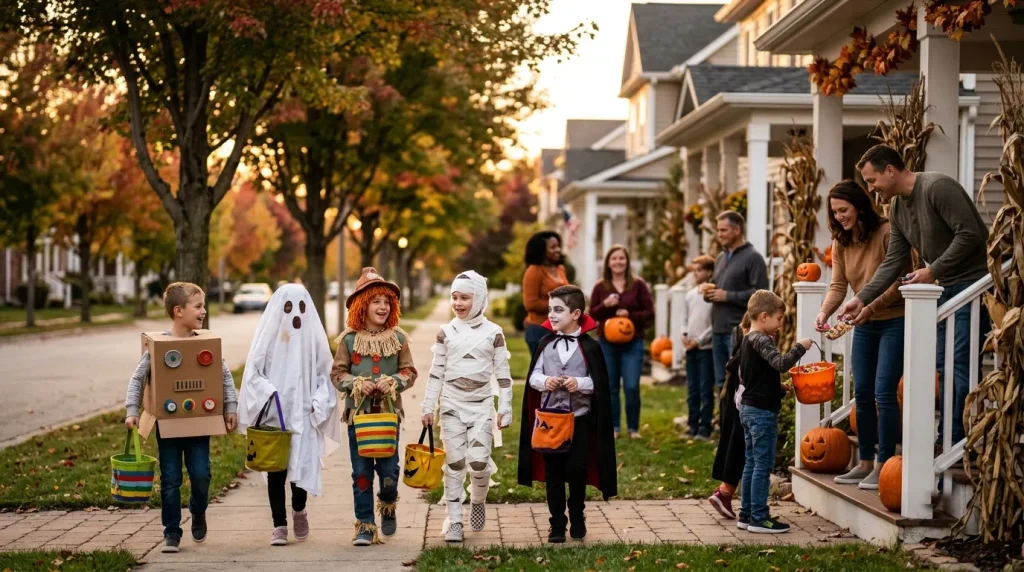
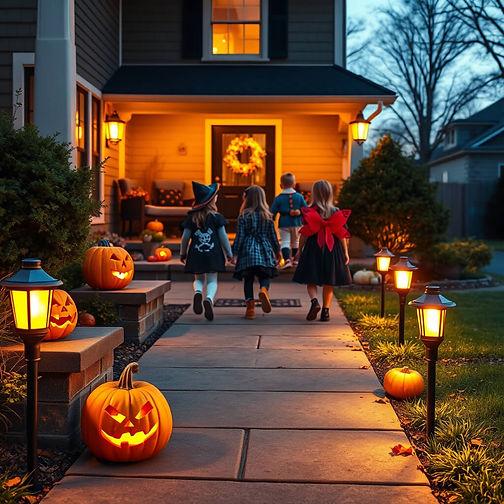
Higher prices may lead some households to buy fewer treats, limit decorations, attend community events, or set a firm spending cap. These adjustments do not necessarily mean families are abandoning Halloween. Instead, many are prioritizing the experiences children remember over expensive purchases.
Consumer advice from ABC News also points to bulk buying and comparing options as ways to manage candy costs.
Halloween remains a major American tradition, but 2026 is testing how families balance fun with financial pressure. Planning early, sharing resources, and focusing on creativity can help preserve the neighborhood spirit without turning one night into a budget crisis.
#Halloween2026 #HalloweenInflation #CandyPrices #CostumeCosts #FamilyBudget #CostOfLiving #ConsumerSpending #HalloweenTraditions #USEconomy