


Political satire is facing a new test as television networks revive familiar shows for audiences living through a sharply divided political era. Reboots offer instant recognition, but updating older stories requires more than familiar characters and nostalgic references. Writers must decide how to address current controversies without turning comedy into predictable commentary.
Can a Nostalgic Favorite Speak to a New America?
The announced revival of Glee illustrates the challenge. The original series connected music, identity, teenage life, and social acceptance. Yet its cultural setting has changed considerably since its 2009 debut. A Guardian analysis of the revival questions how its earlier message of inclusion will translate to today’s political climate.
Successful reboots need to preserve what made their original stories meaningful while recognizing that audiences now debate representation, identity, and public policy in different ways. Simply repeating old storylines risks making a new series feel disconnected from the present.

When Political Satire Becomes Too Literal
Some contemporary shows confront politics directly rather than revisiting older formats. The Boys has developed from a superhero-industry parody into a broader satire of political power, propaganda, and celebrity worship. Foreign Policy’s analysis examines how its fictional world increasingly mirrors American political debates.
South Park also continues to use absurdity and topical references to provoke discussion. Its September 2026 season premiere satirized a real-world renaming controversy, according to Fox News’ coverage. Such topical jokes can spread quickly online, although their relevance may fade as headlines change.
Political Comedy Faces Business Pressures
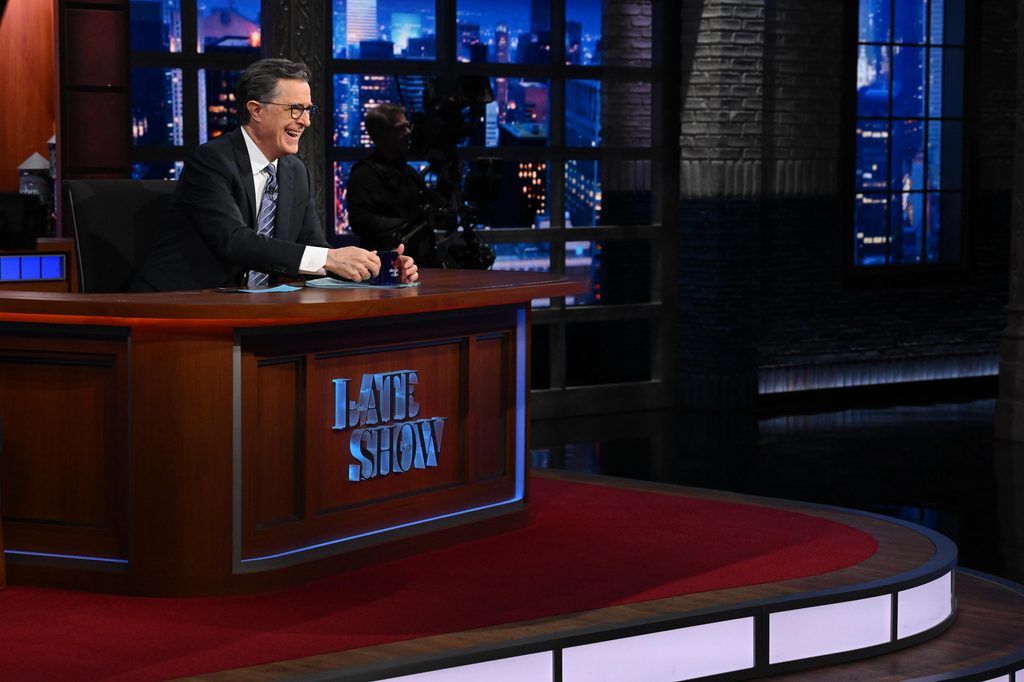
The challenge is not only creative. Television companies must consider audience size, advertising, production costs, and potential backlash. The end of Stephen Colbert’s Late Show and its replacement by a less politically focused program became part of a wider debate about the future of late-night satire. El País reported on the commercial and political pressures surrounding the change.
Meanwhile, Vanity Fair’s examination of The Daily Show explored the difficulties facing political comedy on traditional television, even as digital clips and podcasts create new ways to reach viewers.
Revisiting The West Wing offers another perspective. A Washington Post analysis considers how the once-broadly popular political drama has become a more polarized comfort watch in the streaming era.
Can Satire Still Bring People Together?
Political comedy does not need to make every viewer agree. Its value can come from exposing contradictions, challenging powerful institutions, or making complicated issues easier to discuss. The Wrap’s interview with The Daily Show correspondents explores why some comedians see satire as an important part of public conversation.
For rebooted shows, the path forward is neither nostalgia alone nor a stream of partisan punchlines. Strong writing, complex characters, and a willingness to question multiple sides may help satire remain funny after the news cycle moves on. In divided America, the greatest challenge is not avoiding controversy; it is creating comedy with enough insight to outlast it.
#TVReboots #PoliticalSatire #AmericanTelevision #Glee #TheBoys #SouthPark #StreamingCulture #TVNews #EntertainmentNews