

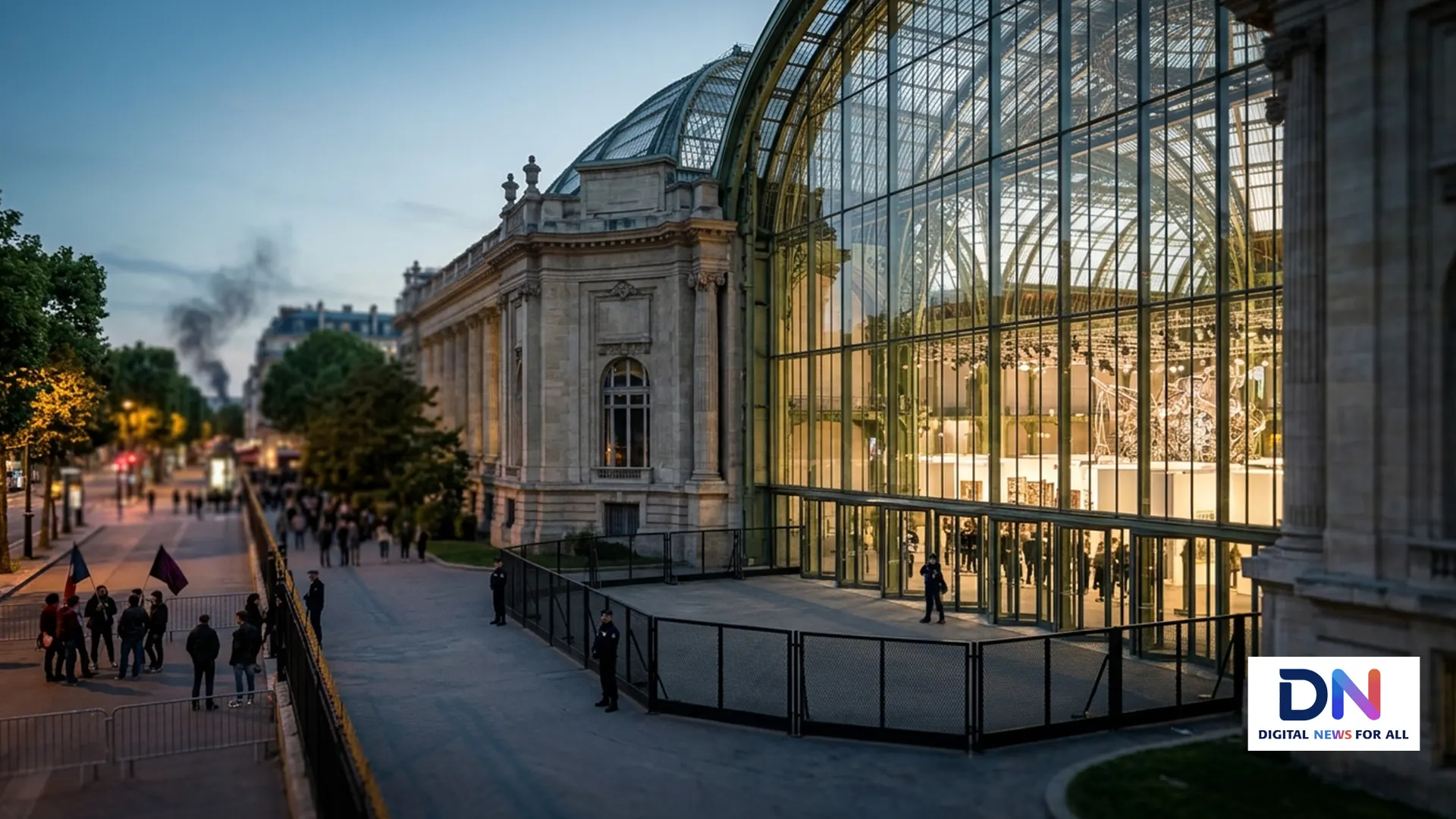
Art Basel Paris is closing early after organizers cited safety concerns surrounding planned demonstrations in the French capital. The prestigious contemporary art fair will finish at 7 p.m. on Friday, October 23, instead of continuing through Sunday, October 25. The decision highlights how civil unrest can disrupt even the world’s most exclusive cultural and commercial events.
Held at the historic Grand Palais, Art Basel Paris brings together international galleries, collectors, artists and advisers. According to Artsy’s report on the early closure, the 2026 edition features 211 galleries from 41 countries. Organizers canceled the weekend program after concerns grew about demonstrations planned near the venue.
Why Is Art Basel Paris Closing Early?
The decision follows demonstrations across France over the cost of living, education and public services. Earlier protests escalated into clashes, looting and property damage in some locations. Authorities are preparing extensive security measures for further demonstrations.
The Associated Press reported that France planned to deploy approximately 70,000 police officers and gendarmes nationwide for Saturday’s protests. Several major Paris museums, including the Louvre and Musée d’Orsay, also planned closures to protect visitors, staff and artworks.
Art Basel’s decision reflects the challenge of protecting valuable collections and international visitors during an uncertain security situation. However, the closure does not mean that the entire art market has stopped operating.
Gallery Owners Face Lost Sales Opportunities
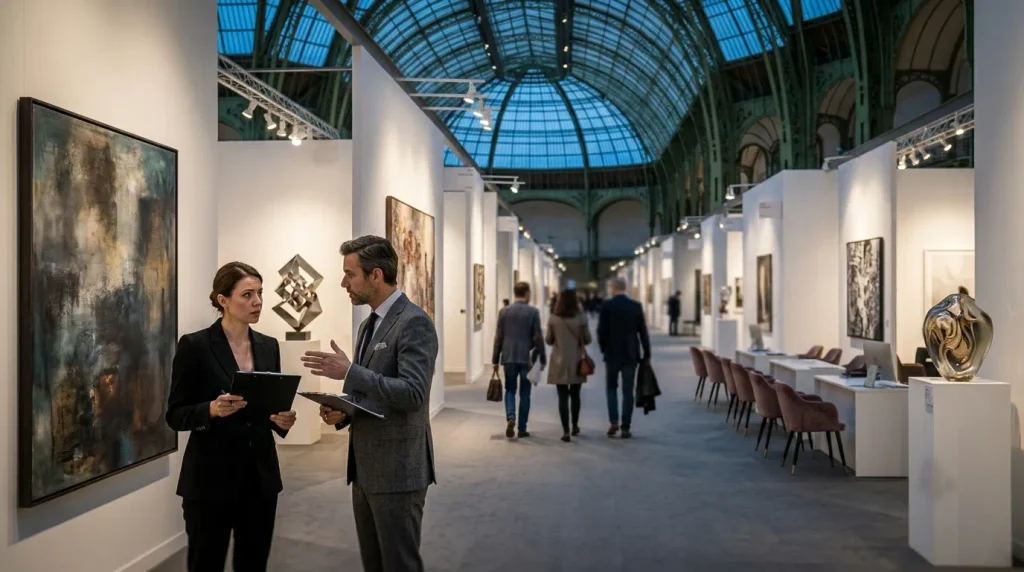
The shortened schedule creates financial pressure for exhibitors, particularly smaller galleries that depend on major fairs to reach international buyers. Some dealers reportedly paid more than €100,000 for exhibition stands, making the loss of weekend trading significant.
According to Le Monde, gallery representatives expressed concern about missing a traditionally busy weekend. Visitors from other French regions and neighboring European countries often attend when weekday commitments ease.
Nevertheless, early sales offered some reassurance. Observer’s coverage of the fair described collectors purchasing established artists’ works despite the surrounding unrest. This suggests that demand for high-value art has not disappeared, although the long-term impact remains uncertain.
Could the Disruption Affect the Global Art Market?
Art Basel Paris operates within a wider ecosystem that includes galleries, auction houses, shipping companies, insurers, art advisers and hospitality businesses. An unexpected closure can interrupt meetings, complicate logistics and reduce opportunities to connect with prospective buyers.
Artnet News reported that other Paris art events were reviewing their schedules and security arrangements as demonstrations approached. Meanwhile, ArtReview documented the wider disruption affecting galleries and cultural events around the fair.
For the broader industry, the episode underscores how political and social instability can affect international cultural commerce. However, one shortened event does not establish a lasting downturn in global art sales.
What Happens Next?
Collectors, galleries and visitors will now assess the consequences of the canceled weekend, including ticket arrangements and potential financial losses. Organizers must balance commercial commitments with their responsibility to protect people and artworks.
The Art Basel Paris closure demonstrates that the luxury art market remains connected to conditions beyond gallery walls. Future events may place even greater emphasis on contingency planning, security coordination and flexible visitor arrangements.
#ArtBaselParis #ArtMarket #ParisProtests #ContemporaryArt #LuxuryMarket #ArtCollectors #GalleryBusiness #GlobalMarkets #CultureNews