

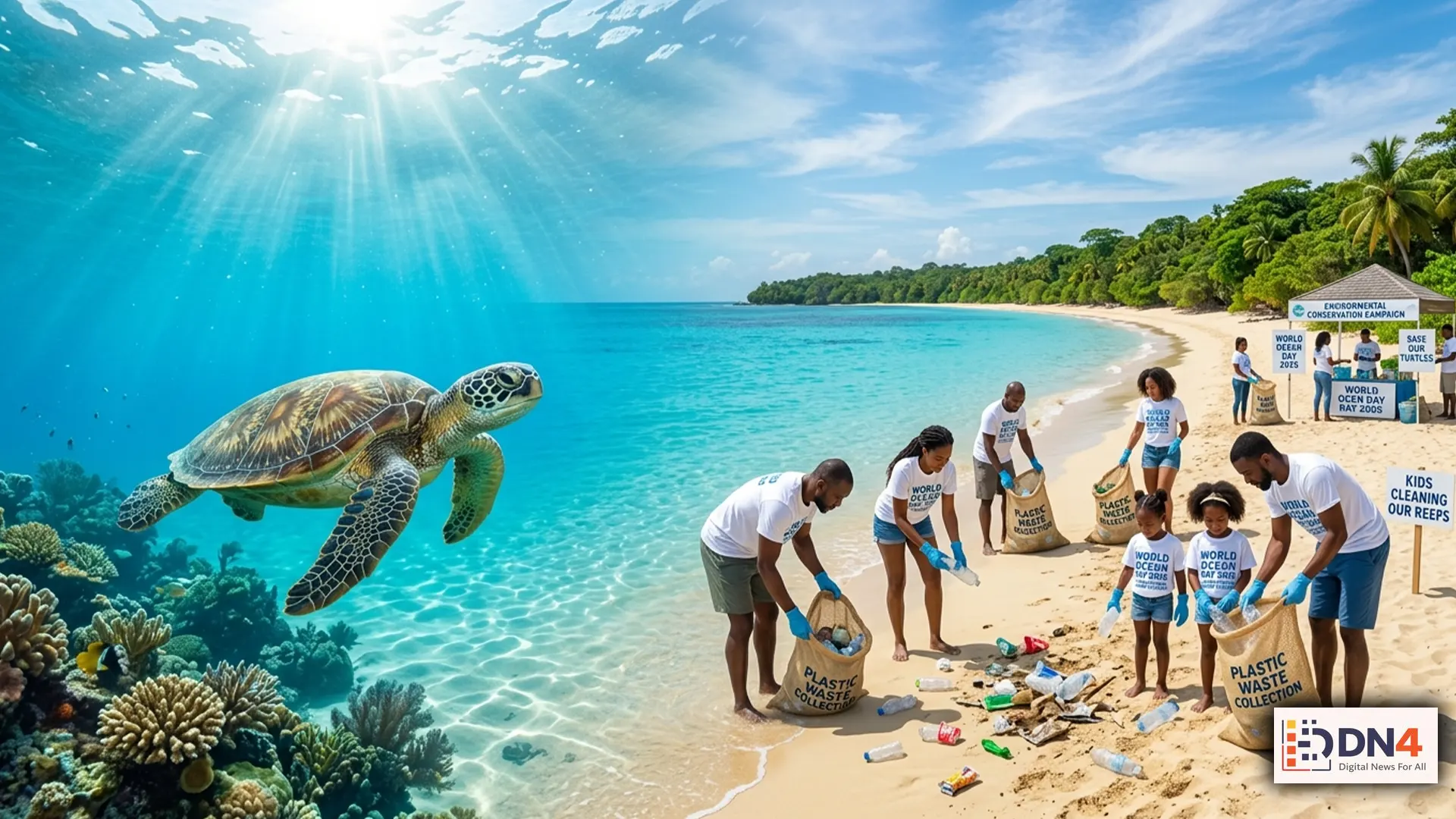
Every year on June 8, World Ocean Day reminds us of the critical role oceans play in sustaining life on Earth. Oceans produce more than half of the world’s oxygen, regulate climate patterns, and support millions of species. However, plastic pollution remains one of the greatest threats to marine ecosystems. According to the United Nations Environment Programme (UNEP), millions of tons of plastic waste enter oceans annually, harming wildlife and coastal communities.
The encouraging news is that meaningful change can start at home. Here are ten practical ways to reduce plastic waste and contribute to cleaner, healthier oceans.
1. Carry Reusable Shopping Bags
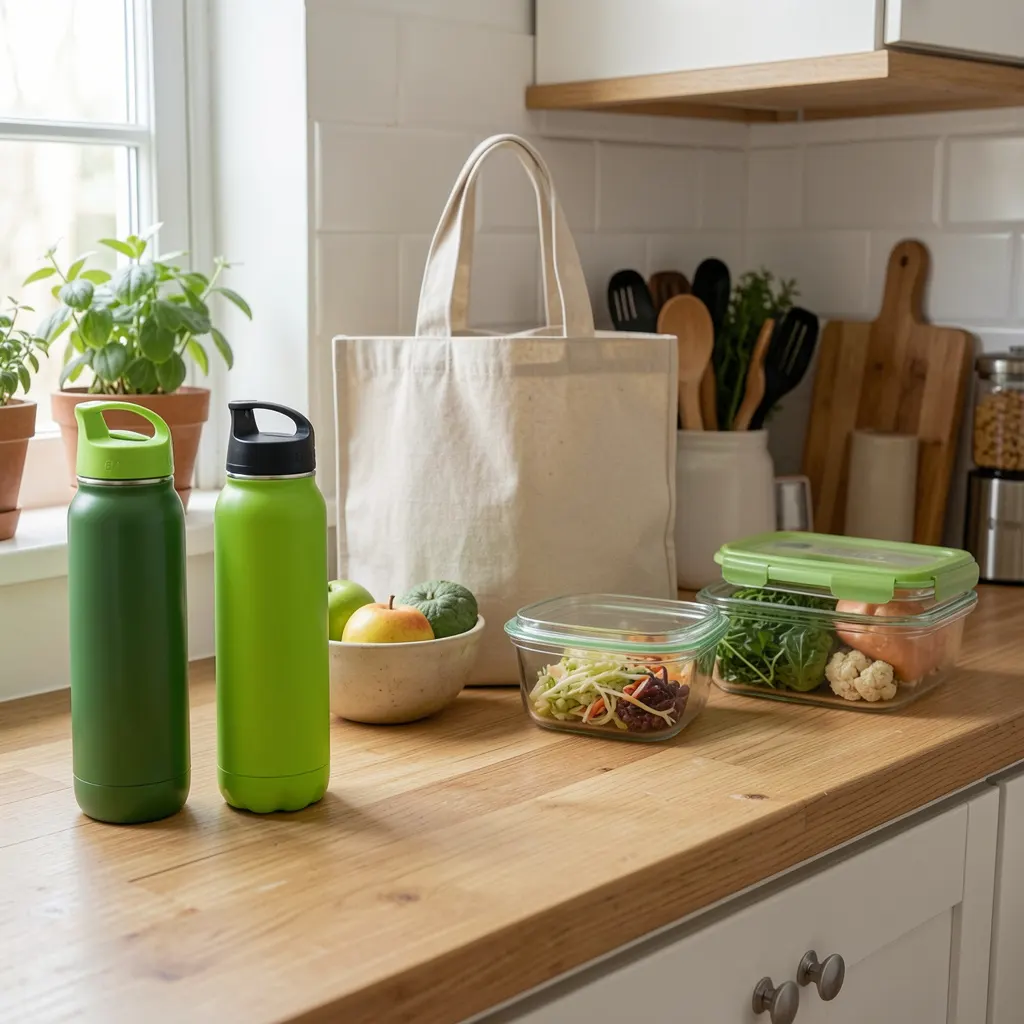
Single-use plastic bags often end up in waterways and oceans. Switching to reusable cloth or canvas bags can significantly reduce household plastic consumption.
2. Use Refillable Water Bottles
Disposable plastic bottles are among the most common forms of litter. Investing in a durable reusable bottle helps reduce waste while saving money over time.
3. Avoid Single-Use Straws and Cutlery
Choose reusable alternatives made from metal, bamboo, or silicone. The National Oceanic and Atmospheric Administration (NOAA) highlights how small plastic items frequently impact marine wildlife.
4. Buy Products with Sustainable Packaging
Support brands that use recyclable or biodegradable packaging. Organizations such as the Ellen MacArthur Foundation advocate for a circular economy that minimizes waste.
5. Store Food in Reusable Containers
Replace disposable plastic wraps with glass containers, beeswax wraps, or stainless-steel storage options. These alternatives are more durable and environmentally friendly.
6. Choose Refill-Based Cleaning Products
Many eco-conscious companies now offer concentrated cleaning solutions and refill stations that dramatically reduce plastic packaging waste.
7. Recycle Responsibly
Not all plastics are recyclable. Follow local recycling guidelines and consult resources from the U.S. Environmental Protection Agency to ensure proper disposal.
8. Avoid Products Containing Microplastics
Microplastics are tiny plastic particles that can enter oceans through wastewater systems. Check product labels and choose environmentally friendly alternatives. Learn more from National Geographic Environment.
9. Participate in Community Cleanups
Joining local beach, river, or neighborhood cleanup initiatives helps remove plastic waste before it reaches the ocean. You can also find global initiatives through the official World Ocean Day platform.
10. Educate and Inspire Others
Sharing sustainable practices with family, friends, and colleagues can multiply positive environmental impacts. Awareness is often the first step toward meaningful action.
Why Your Actions Matter
Plastic pollution affects marine animals, fisheries, tourism industries, and even human health through microplastic contamination. According to the International Union for Conservation of Nature (IUCN), reducing plastic waste at the source remains one of the most effective ways to protect marine ecosystems.
On World Ocean Day 2026, every small action counts. By adopting simple habits at home, individuals can contribute to a global movement aimed at preserving oceans for future generations. Cleaner oceans begin with smarter choices today.
#WorldOceanDay2026 #ReducePlasticWaste #OceanConservation #PlasticPollution #SustainableLiving #EcoFriendly #SaveOurOceans #MarineLife #ClimateAction