

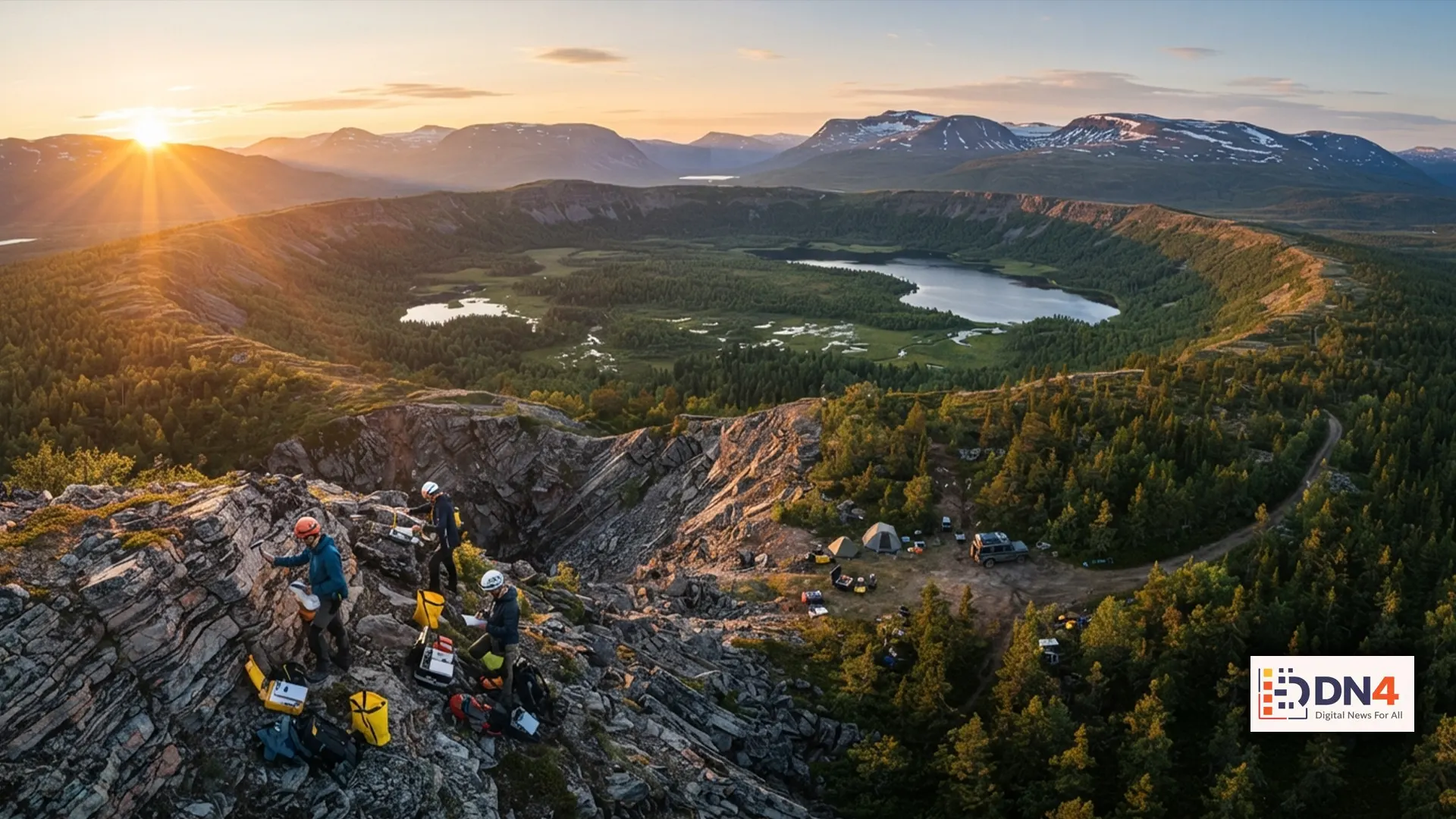
Hidden beneath dense forests, deserts, lakes, and protected scientific reserves, some of Earth’s oldest impact craters continue to reveal extraordinary insights into our planet’s past. Formed by massive asteroid and meteorite collisions millions—or even billions—of years ago, these geological landmarks have become invaluable natural laboratories. Recent research conducted at several of the world’s most carefully protected impact sites is helping scientists better understand Earth’s evolution, mass extinction events, and even the origins of life.
Advances in satellite imaging, deep-core drilling, and geochemical analysis have enabled researchers to uncover evidence that remained hidden for decades. These discoveries are reshaping our understanding of how cosmic collisions have influenced Earth’s geological and biological history.
Natural Time Capsules Beneath the Surface
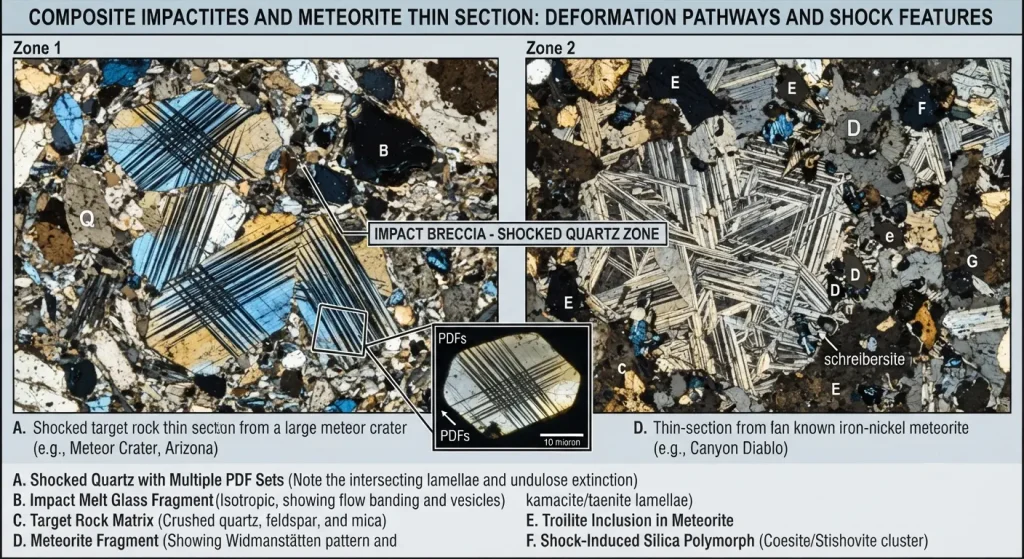
Unlike volcanic formations, impact craters preserve unique shock minerals and rock structures created during high-speed asteroid collisions. Scientists studying sites such as the Vredefort Dome UNESCO World Heritage Site in South Africa and Canada’s Pingualuit Crater continue to recover valuable geological evidence dating back billions of years.
These formations help researchers reconstruct ancient climates, continental movement, and the conditions that shaped the early Earth long before human civilization emerged.
New Technology Is Revealing Hidden Structures
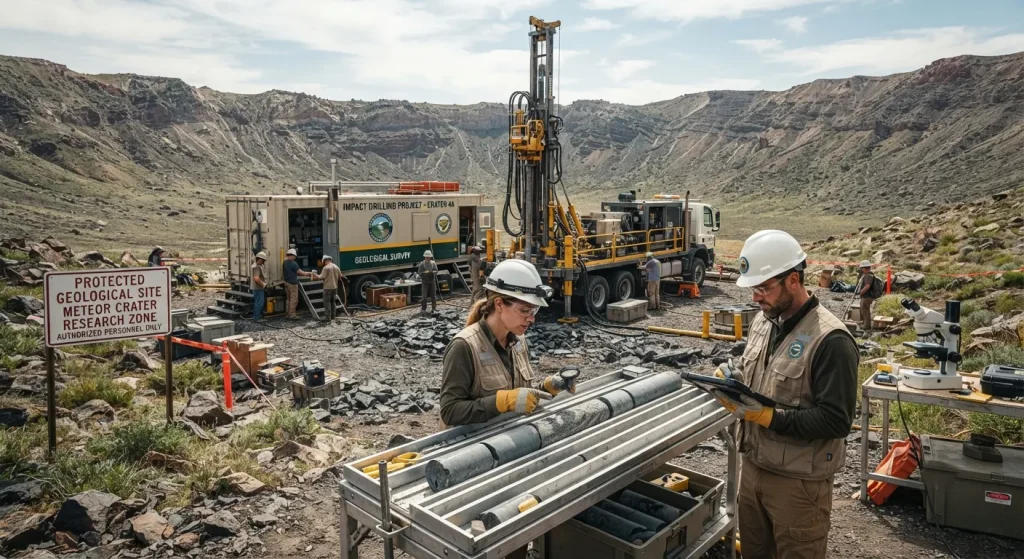
Modern scientific tools are transforming crater research. High-resolution satellite mapping, LiDAR surveys, and seismic imaging allow scientists to study buried impact structures without disturbing fragile ecosystems. NASA’s Earth Observatory and the U.S. Geological Survey (USGS) regularly publish research showing how remote sensing technologies are improving geological exploration.
Deep drilling projects have also recovered mineral samples that reveal the immense temperatures and pressures generated during ancient asteroid impacts.
Why Scientists Protect These Craters
Many impact craters are located within national parks, UNESCO World Heritage Sites, or restricted scientific research zones. These protections help preserve delicate rock formations, fossil evidence, and unique ecosystems that could otherwise be damaged by tourism or commercial development.
Organizations such as UNESCO World Heritage and the U.S. National Park Service work alongside researchers to balance conservation with scientific study.
Clues to Ancient Life and Future Planetary Defense
Some researchers believe ancient impact craters may have created environments capable of supporting microbial life by generating underground hydrothermal systems. Studying these environments helps scientists understand not only Earth’s earliest ecosystems but also where life might exist on planets such as Mars.
The research also contributes to planetary defense initiatives. Agencies including NASA’s Planetary Defense Coordination Office use impact studies to improve models predicting how future asteroid collisions could affect Earth.
Looking Deeper Into Earth’s Past
Every new discovery inside Earth’s protected impact craters adds another piece to our planet’s geological puzzle. From revealing the aftermath of ancient asteroid strikes to uncovering clues about life’s resilience, these remarkable sites continue to transform scientific understanding. As exploration technologies improve, researchers expect many more hidden secrets to emerge from the world’s most guarded impact craters.
#ImpactCraters #Geology #EarthScience #Meteorite #PlanetaryScience #SpaceResearch #ScientificDiscovery #Nature #ScienceNews