

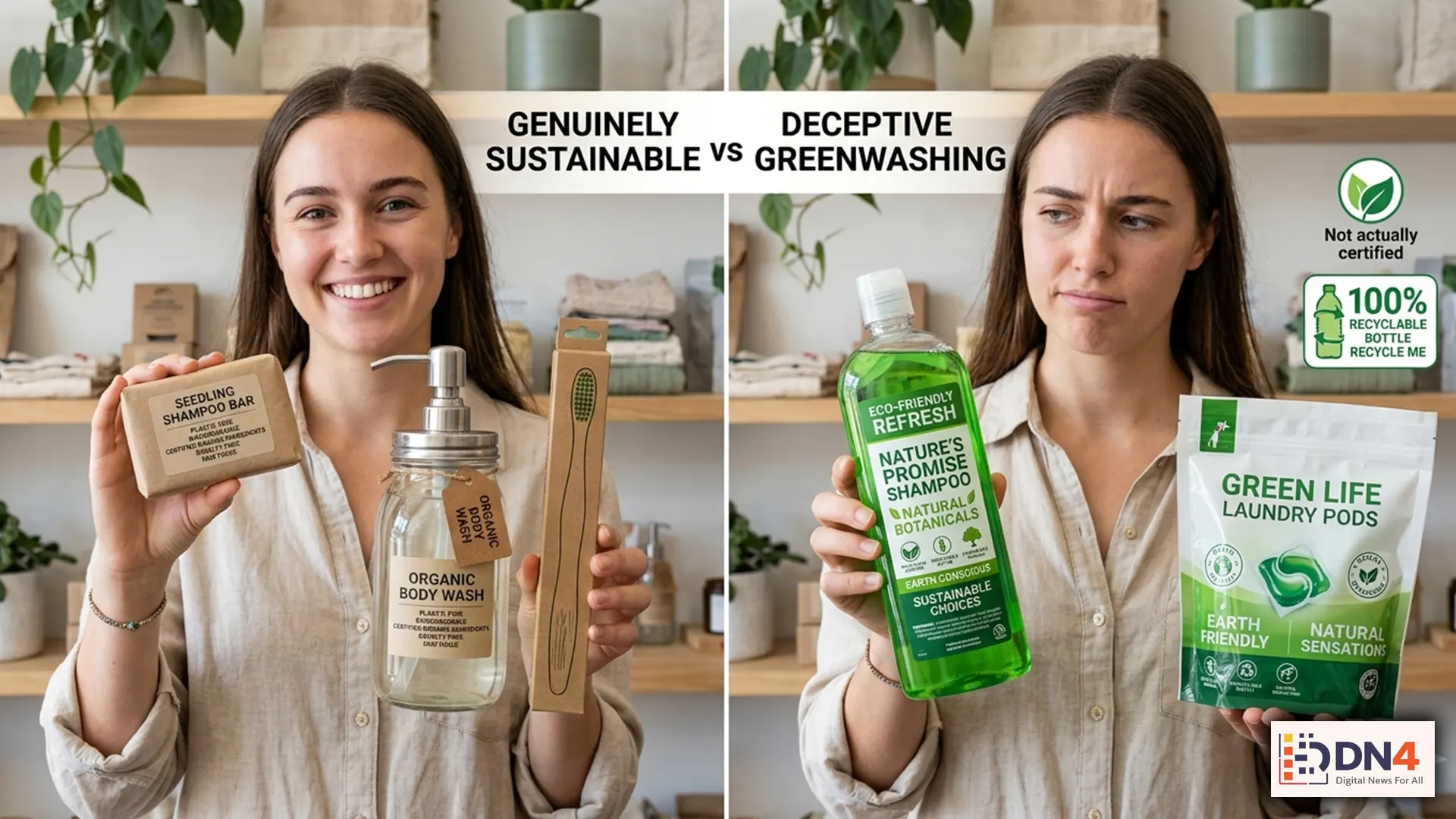
As consumers become more environmentally conscious, companies are racing to market products as “eco-friendly,” “sustainable,” and “green.” But in 2026, not every environmental claim deserves your trust. The rise of greenwashing—the practice of exaggerating or misleading consumers about environmental benefits—has made it increasingly difficult to separate genuine sustainability efforts from clever marketing.
According to the United Nations Environment Programme (UNEP), transparency and accountability are becoming critical as sustainability claims continue growing across industries. From fashion and food to technology and household goods, consumers are demanding proof—not promises.
What Is Greenwashing?
Greenwashing occurs when a company presents itself as environmentally responsible without making meaningful changes to its products, operations, or supply chains.
Examples include vague labels like “natural,” “green,” or “earth-friendly” without supporting evidence. In some cases, brands emphasize one small environmental improvement while ignoring larger environmental impacts.

Consumer watchdog organizations such as the Federal Trade Commission (FTC) have increased scrutiny of misleading environmental marketing practices as sustainability becomes a major purchasing factor.
Red Flags Consumers Should Watch For
Not all sustainability claims are created equal. Experts recommend paying attention to these warning signs:
- Vague environmental language without measurable data
- No third-party certifications
- Claims that cannot be independently verified
- Overemphasis on packaging while ignoring production impacts
- Marketing that focuses on imagery rather than evidence
Organizations such as Rainforest Alliance and Forest Stewardship Council (FSC) provide certification systems that help consumers identify more credible environmental commitments.
How Genuine Sustainable Brands Stand Out
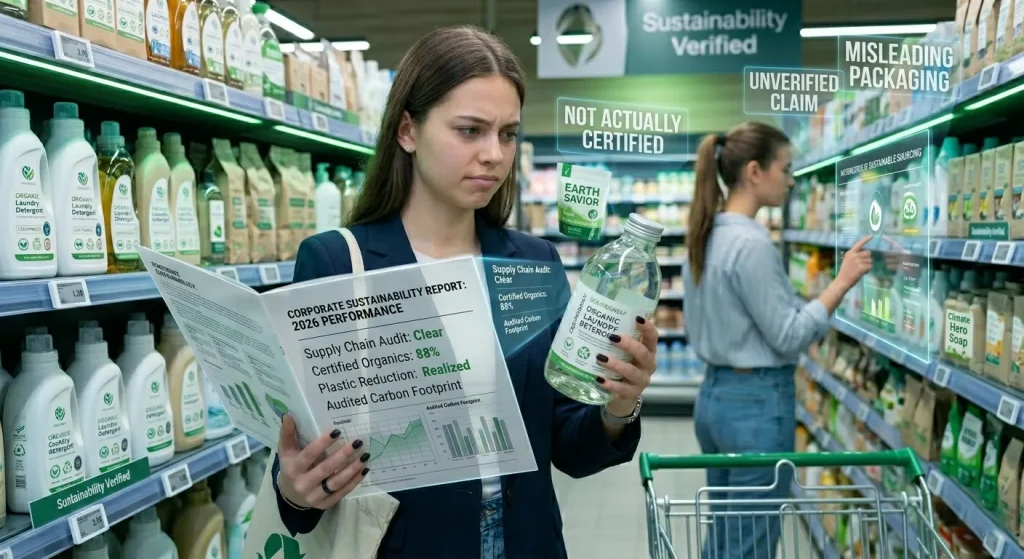
Authentically sustainable companies typically provide transparent reporting on emissions, supply chains, resource usage, and environmental goals.
Many businesses now publish detailed sustainability reports aligned with frameworks developed by organizations like the Global Reporting Initiative (GRI) and the World Economic Forum.
Rather than making broad claims, legitimate eco-conscious brands often share measurable targets, annual progress updates, and independent audits.
The Rise of Eco-Conscious Consumers
Consumers are becoming increasingly skilled at identifying misleading environmental claims. Social media, independent product reviews, and sustainability-focused research platforms have made corporate accountability more visible than ever.
Research from NielsenIQ shows that many shoppers are willing to pay more for products they believe are genuinely sustainable—but they also expect evidence to support those claims.
What to Do Before You Buy
Before purchasing a product marketed as eco-friendly, take a few extra minutes to investigate:
- Look for recognized certifications
- Review sustainability reports
- Check independent product evaluations
- Research company environmental commitments
- Compare claims with verified data
As environmental awareness grows, companies that prioritize transparency are likely to earn greater consumer trust, while greenwashing tactics may face increasing public backlash and regulatory action.
In 2026, being an informed shopper is one of the most powerful tools for supporting genuine sustainability and encouraging responsible business practices.
#Greenwashing #Sustainability #EcoFriendly #ClimateAction #SustainableLiving #EthicalConsumerism #ESG #EnvironmentalAwareness