

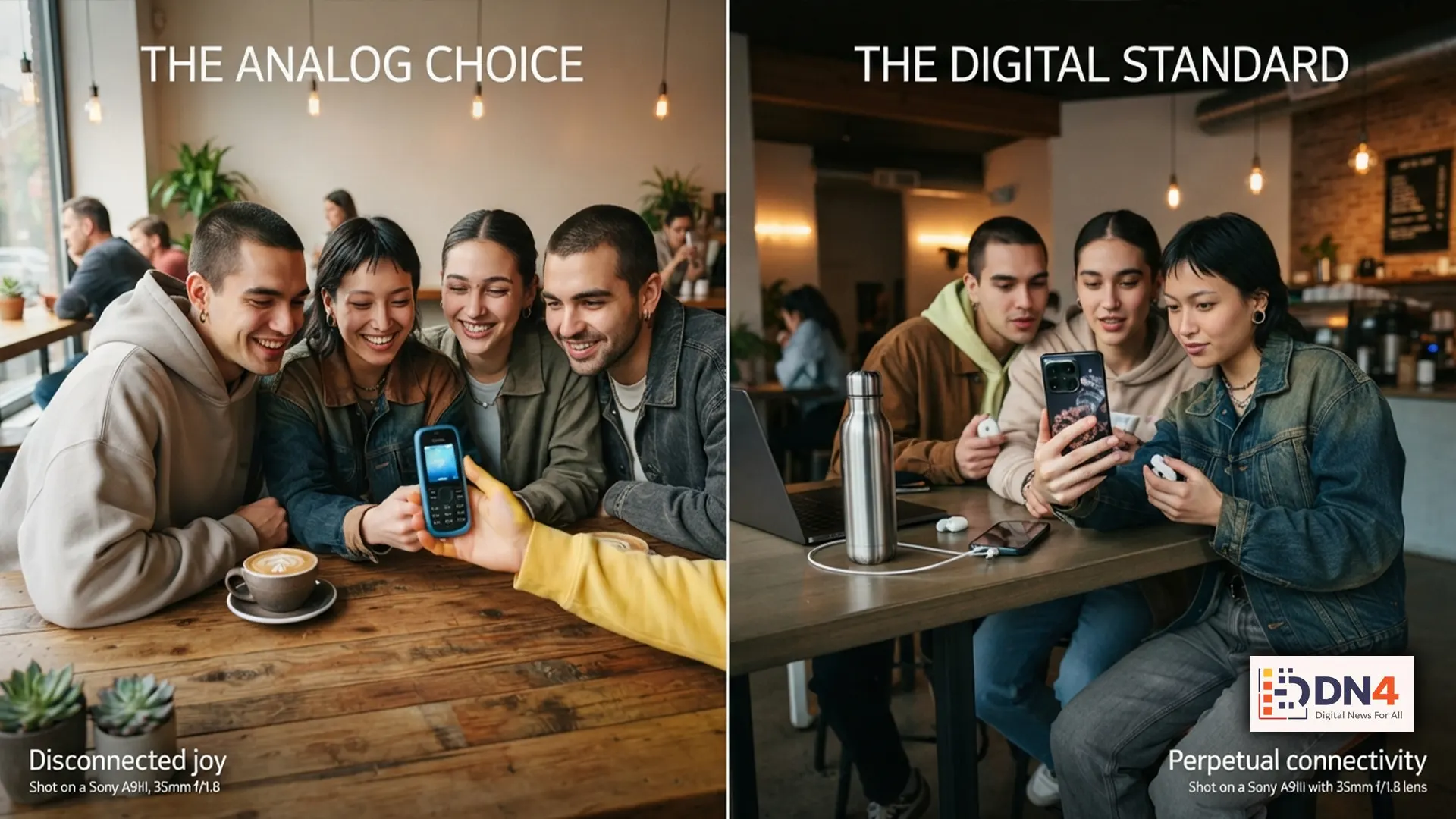
For years, smartphone manufacturers competed by offering faster processors, better cameras, and AI-powered features. Yet an unexpected trend is gaining momentum: Gen Z is increasingly turning to so-called “dumb phones”—simple feature phones designed primarily for calls, texts, and basic functions. This retro technology revival reflects a growing desire to disconnect from constant notifications and reclaim digital wellbeing.
Why Are Dumb Phones Making a Comeback?
Unlike today’s ultra-smartphones, feature phones encourage intentional communication without endless social media scrolling or app notifications. Many younger users say these devices help reduce digital distractions, improve focus, and promote healthier technology habits.
Research from the Pew Research Center and guidance from the American Psychological Association (APA) continue to explore how digital technology affects attention, mental health, and everyday behavior.
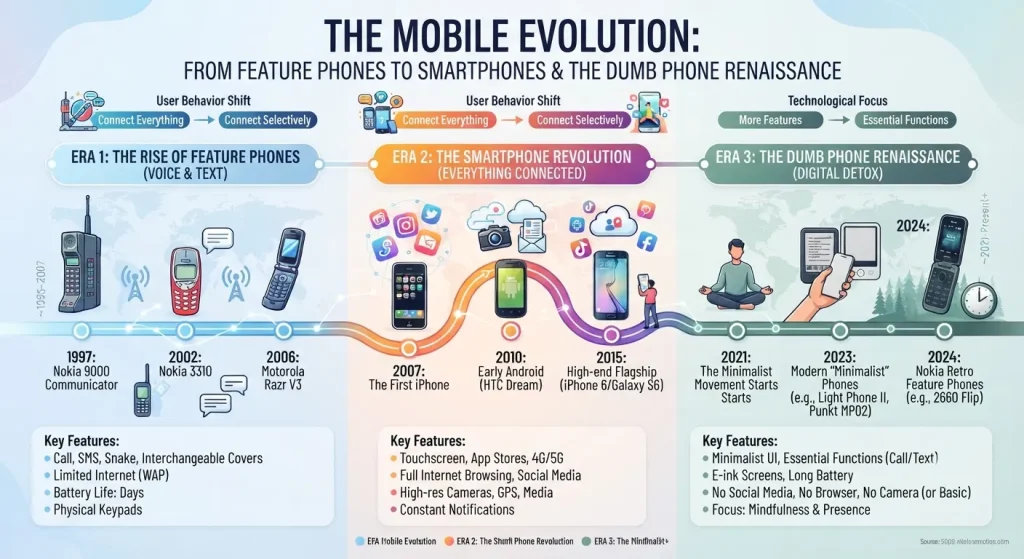
Why Gen Z Is Leading the Trend
Generation Z grew up in an always-connected world. For many, choosing a dumb phone is less about rejecting technology and more about creating healthier boundaries. The movement aligns with broader trends including digital detoxes, minimalist lifestyles, and mindful technology use.
Social media creators have also helped popularize retro phones as fashionable lifestyle accessories that emphasize intentional living over constant connectivity.
Benefits of Using a Dumb Phone
- Significantly fewer distractions and notifications.
- Long battery life that often lasts several days.
- Lower purchase costs compared to flagship smartphones.
- Reduced screen time and improved focus.
- Simpler user experience with fewer privacy concerns.

Can Dumb Phones Replace Smartphones?
For many users, the answer is no. Modern smartphones remain essential for navigation, banking, work, digital payments, healthcare apps, and communication. Instead, some consumers adopt a hybrid approach by carrying both a smartphone and a feature phone depending on the situation.
Manufacturers such as HMD, along with companies developing minimalist devices, have responded by introducing modern feature phones with improved reliability while preserving their distraction-free design.
The Future of Digital Wellbeing
As concerns about smartphone addiction and excessive screen time continue growing, the demand for simpler technology may remain strong. Rather than replacing smartphones entirely, dumb phones are becoming symbols of digital balance—offering users greater control over how and when they connect.
Learn more about digital wellbeing and technology trends through resources from the Pew Research Center, the American Psychological Association, HMD, the World Economic Forum, GSMA, and the World Health Organization.
#DumbPhones #GenZ #DigitalDetox #DigitalWellbeing #FeaturePhone #TechTrends #Minimalism #Smartphones #Technology