

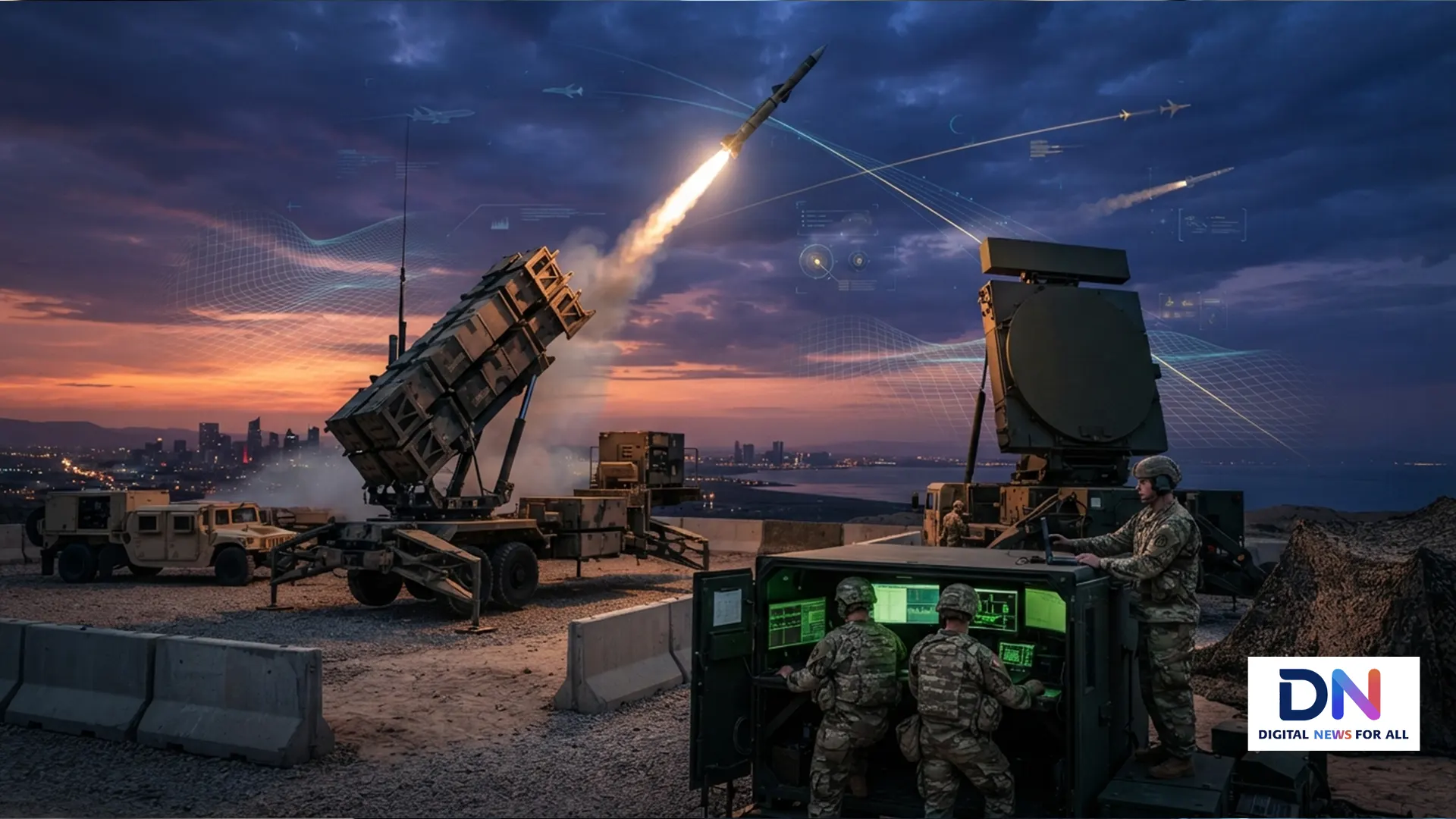
The interceptor shortage has become a growing concern for the U.S. military as missile attacks consume advanced air-defense weapons faster than traditional factories can replace them. The problem is becoming more urgent as artificial intelligence helps adversaries improve targeting, drones and missile operations.
A September Congressional Budget Office analysis found that the Iran conflict had cost the Department of Defense about $38 billion through August 1, 2026. More importantly for future readiness, CBO found that between one-half and two-thirds of certain U.S. missile-defense interceptor inventories had been consumed since June 2025.
The Stockpile Problem Is Real
The Center for Strategic and International Studies estimates that U.S. Patriot inventories had fallen below 1,000 and THAAD inventories to roughly 250 by July. Rebuilding those stocks could take years.
The CSIS assessment warns that Patriot and THAAD have few readily available substitutes for some ballistic-missile threats. That creates a difficult strategic calculation when the same systems may be needed in Europe, the Middle East or the Indo-Pacific.
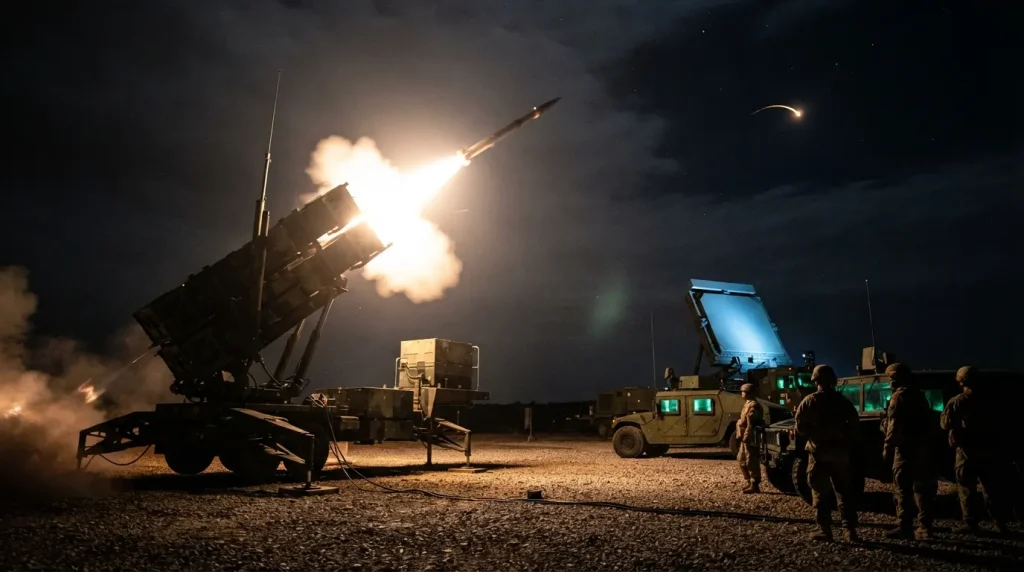
Production Cannot Change Overnight
The U.S. is responding with major production increases. Lockheed Martin says a new multiyear arrangement is designed to triple PAC-3 MSE production capacity by 2030.
THAAD production is also being expanded. Lockheed Martin says its agreement with the Department of War is intended to increase annual THAAD capacity from 96 to 400 interceptors.
Those numbers sound substantial, but the timeline matters. The CSIS analysis of the defense industrial base says PAC-3 MSE capacity is expected to rise from roughly 600 to 2,000 units annually by 2030, while THAAD capacity is projected to reach 400 per year.
AI Makes the Equation More Complicated
Artificial intelligence is changing the offense-defense balance. AI can help process satellite imagery, identify targets, coordinate drones and accelerate decision-making. It can also allow relatively inexpensive systems to create larger numbers of threats.
Ukraine is already experimenting with AI-assisted interceptor drones as Russia expands its use of faster jet-powered drones. Reuters reports that Ukrainian forces are exploring new interceptor technologies because existing defenses are struggling against the changing threat.
The Government Accountability Office has separately warned that advanced missile-defense programs face technical, testing and supply-chain risks. Its review of the Next Generation Interceptor found that the program faced significant development risks while trying to accelerate fielding.
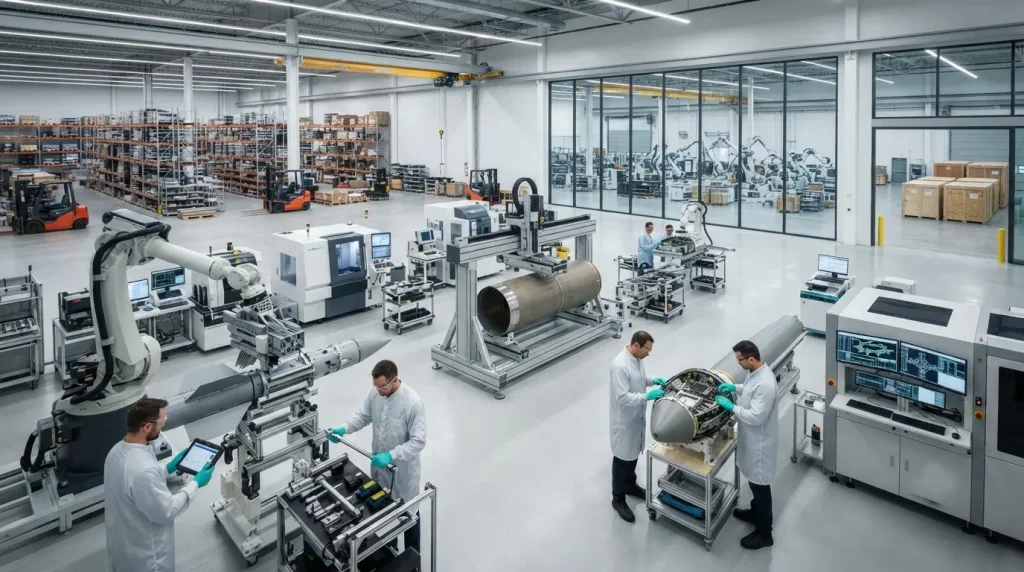
The Cost Curve Is Becoming a Problem
There is another challenge: economics. A sophisticated interceptor can cost millions of dollars, while some incoming drones and missiles are substantially cheaper.
That creates an unfavorable exchange rate if expensive interceptors must repeatedly defeat inexpensive threats. The Pentagon is therefore pursuing lower-cost options alongside traditional missile defenses, including interceptor drones and other emerging technologies.
The Department of Defense’s FY2026 budget briefing highlighted increased investment in Patriot interceptors, advanced sensors, integrated command systems and new missile-defense technologies.
Can Factories Catch Up?
The U.S. defense industry is moving faster, but the current expansion cannot instantly erase inventories already consumed. The Pentagon recently demanded that defense companies submit plans for significantly faster production and delivery of critical weapons.
Meanwhile, Lockheed Martin and General Motors Defense have begun expanding the supply chain for Patriot components. Reuters reported that GM delivered its first batch of critical PAC-3 MSE components only 22 days after signing its manufacturing agreement with Lockheed Martin.
The bigger issue is whether production can scale at the same speed as modern warfare. AI may make targeting and coordination faster, but factories still require workers, specialized machinery, raw materials, testing and quality control.
That leaves the United States facing a complicated race: develop smarter and cheaper defenses while rebuilding the high-end interceptor stockpile needed for the most dangerous missile threats. The question is no longer simply whether America can build better weapons. It is whether it can build enough of them before the next major conflict tests the inventory again.
#AIDefense | #MissileDefense | #InterceptorShortage | #IranConflict | #Pentagon | #DefenseTech | #AI