

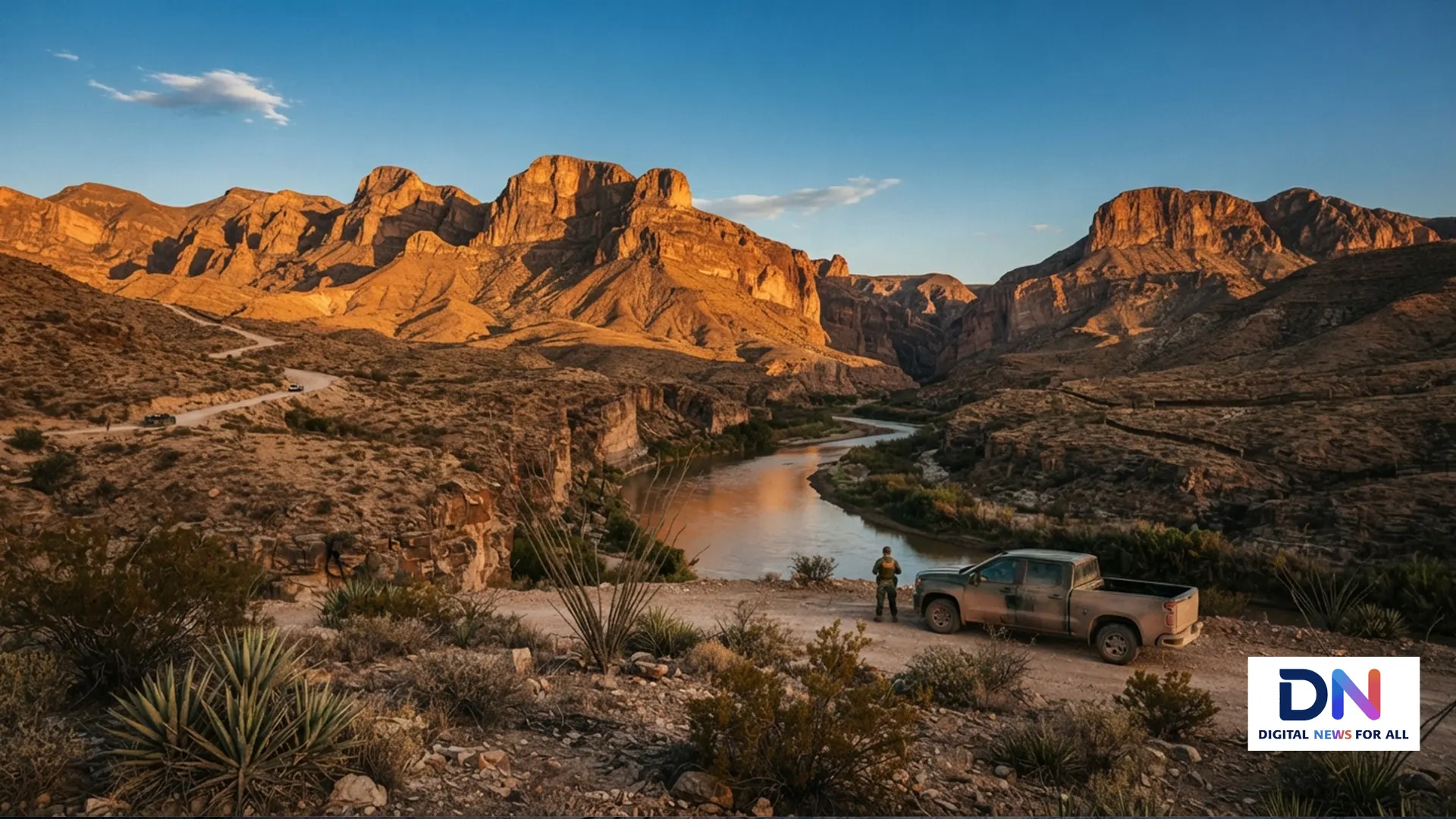
The Big Bend border wall debate has become one of the most complicated border-security disputes in Texas. Federal officials say additional barriers and roads can strengthen control of the U.S.-Mexico border. Critics argue that construction in one of America’s most remote national-park landscapes could damage ecosystems, cultural sites and local access.
The dispute is especially significant because Big Bend National Park shares 118 miles of border with Mexico. The National Park Service describes the Rio Grande as part of a larger binational ecosystem rather than simply a political boundary.
What Is Happening in Big Bend?
The Trump administration has pursued border infrastructure across the broader Big Bend region. That effort includes barriers, patrol roads and surveillance-related infrastructure.
In June 2026, the Department of Homeland Security waived numerous environmental and historic-preservation requirements for specified border construction in Texas. The Federal Register notice said the waivers were intended to speed construction of physical barriers and roads in the Big Bend Sector.
The federal government described the area as one with significant illegal-entry and drug-seizure activity. That assessment is central to the administration’s national-security argument.
Why the National Park Is Different
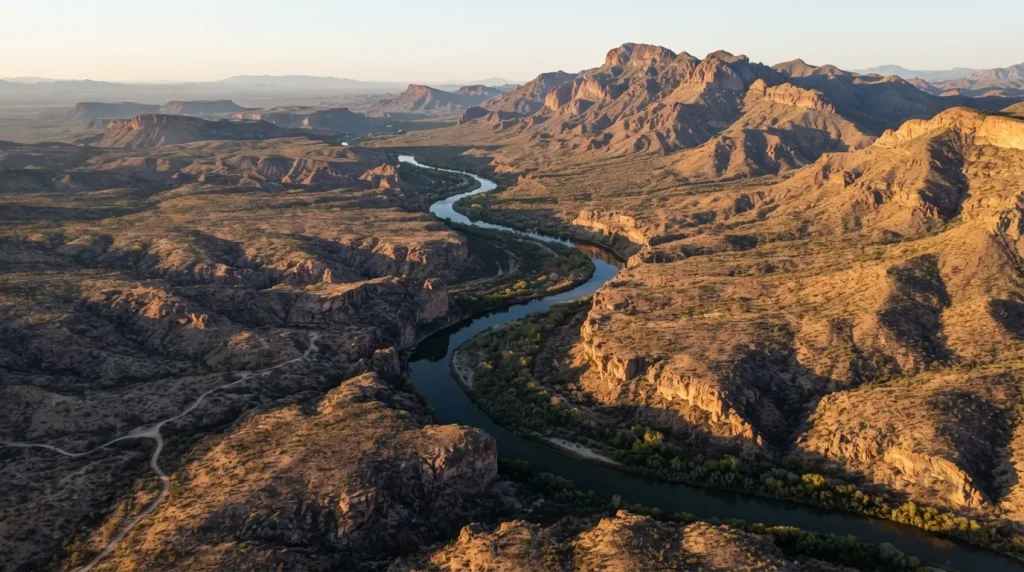
Big Bend is not an ordinary construction site. The National Park Service says the park was established to preserve the Chihuahuan Desert along the Rio Grande, including its biological, geological and cultural resources.
The park contains federally protected species, including the Mexican long-nosed bat, black-capped vireo, Big Bend gambusia, Rio Grande silvery minnow and Chisos hedgehog cactus. Construction roads, barriers and associated infrastructure can therefore raise questions about habitat fragmentation and disturbance.
The environmental concerns extend beyond wildlife. Opponents have also raised questions about archaeological sites, Indigenous cultural resources, river access and the effects of construction on the region’s tourism economy.
The Border-Security Argument
Federal officials argue that physical infrastructure can make unauthorized crossings more difficult and improve Border Patrol’s ability to monitor remote terrain.
The U.S. Customs and Border Protection maintains that barriers, roads, surveillance technology and patrol access can work together as part of a broader border-security system.
That argument does not depend solely on a traditional 30-foot steel wall. In parts of Big Bend, officials have discussed combinations of vehicle barriers, roads, sensors and other technology adapted to difficult desert terrain.
Why Local Opposition Is Complicated
Opposition is not limited to environmental organizations. The Texas Tribune reported that local residents and a bipartisan group of elected officials have questioned whether extensive physical infrastructure is appropriate for such a remote section of the border.
Some landowners also face disputes over access to private property. Others are concerned about how new roads or barriers could affect ranching, tourism and connections to the Rio Grande.
Meanwhile, conservation organizations have pursued legal challenges. The National Parks Conservation Association and Sierra Club have supported litigation challenging the use of broad legal waivers for construction around the park.
A Pause Does Not End the Dispute
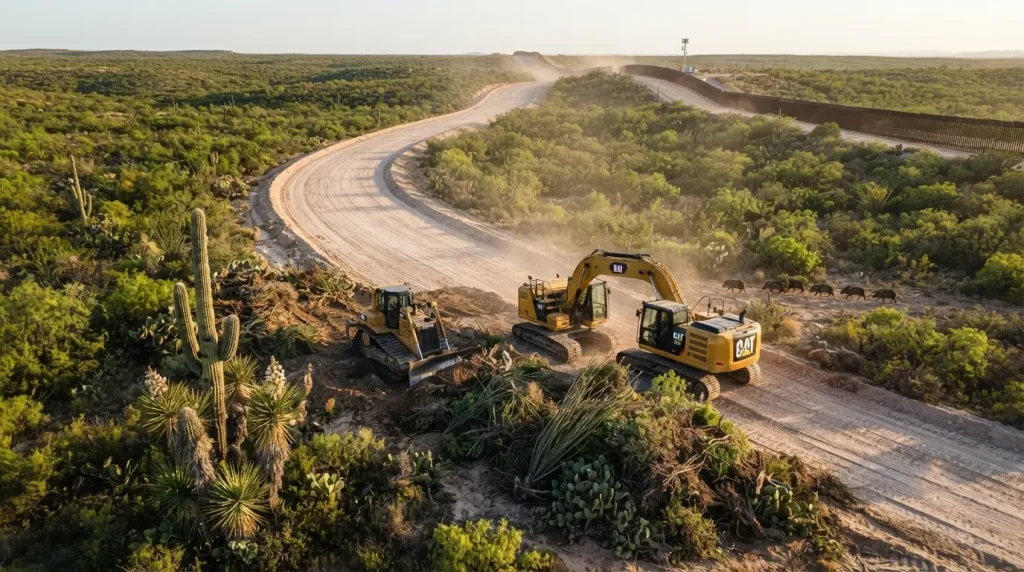
In August, CBP paused construction near Big Bend National Park after heavy equipment arrived and opposition grew. The pause was later extended through mid-September while the legal and political dispute continued.
As of September 2026, that pause sets the national park apart from other parts of the Big Bend region. Border construction has continued in those other areas.
The legal battle also remains active. A September lawsuit by landowners and other plaintiffs challenges the federal government’s plans and its use of environmental and preservation-law waivers.
What Is Really at Stake?
The Big Bend dispute illustrates a broader question in U.S. border policy. How should national-security infrastructure be designed when it crosses environmentally sensitive public lands and privately owned property?
Federal officials emphasize border control and operational access. Conservation groups emphasize habitat, cultural resources and the long-term integrity of protected lands. Local communities have raised additional concerns about property rights, tourism and whether infrastructure fits the region’s unusual terrain.
The outcome will depend partly on ongoing litigation, federal construction decisions and negotiations with affected communities. Whatever happens next, the Big Bend border wall debate demonstrates that border security and conservation can intersect in ways that are far more complicated than a simple wall-versus-no-wall argument.
#BigBend | #BorderWall | #Texas | #BorderSecurity | #NationalParks | #Conservation | #RioGrande | #NationalSecurity