

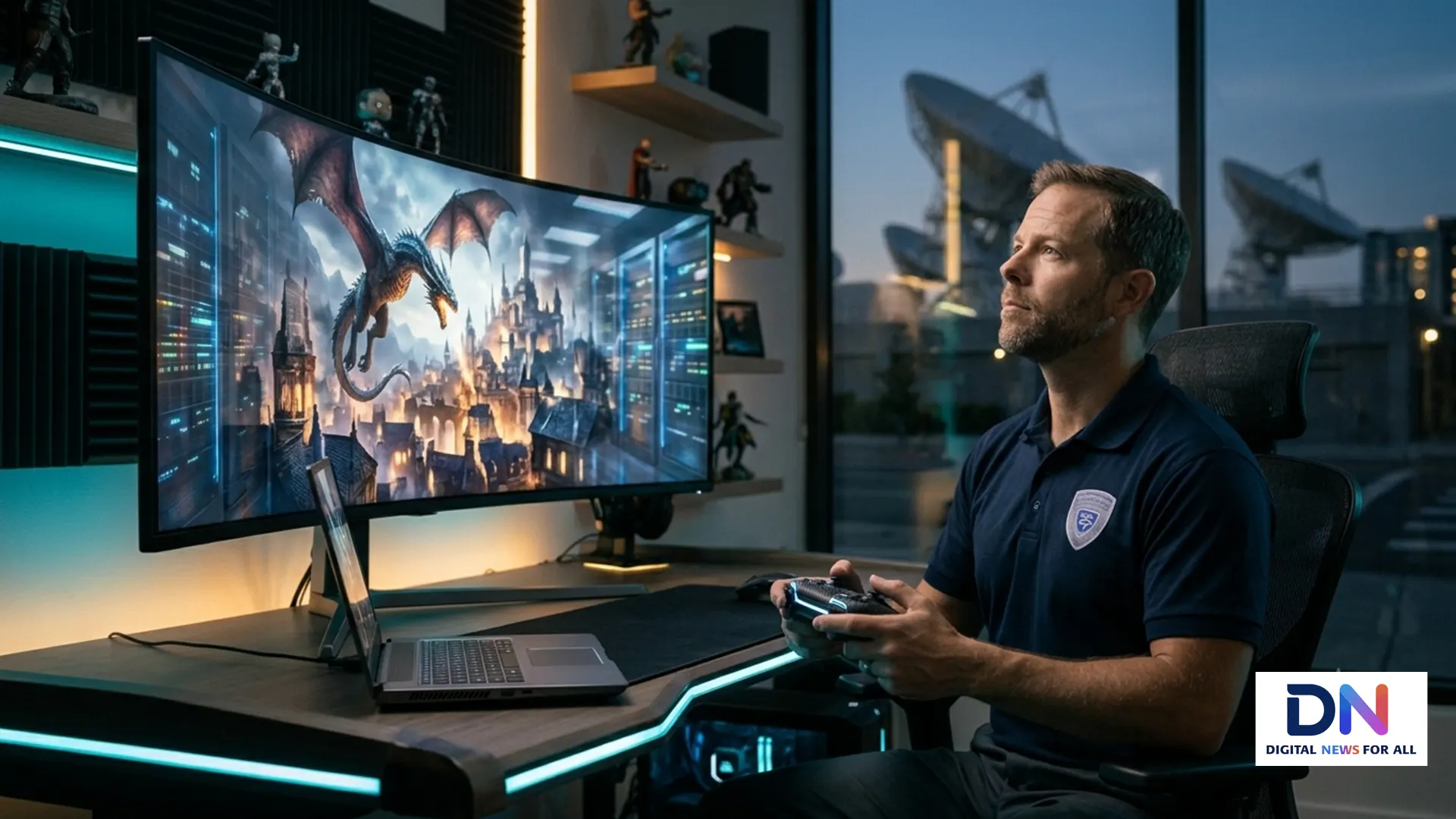
Cloud gaming is changing how players access demanding video games. Instead of running every game on a powerful local computer or console, users can stream gameplay from remote servers to compatible devices. The model could reduce upfront hardware spending, but it does not automatically make gaming cheaper for everyone.
How Cloud Gaming Changes the Cost Equation
Traditional PC gaming can require a graphics card, processor, memory, and storage upgrades as games become more demanding. Cloud services move much of that computing work to remote infrastructure. Players may therefore use an existing laptop, tablet, television, or modest PC rather than purchasing a premium gaming rig.
NVIDIA GeForce NOW streams supported games from cloud-powered systems and connects with selected digital game stores. Meanwhile, Xbox Cloud Gaming lets subscribers play supported titles on compatible devices. Availability, features, and game libraries vary by service and region.
For players who upgrade hardware infrequently, a subscription may offer access to higher-end graphics without paying for a new graphics card. It can also make it easier to switch between supported devices.
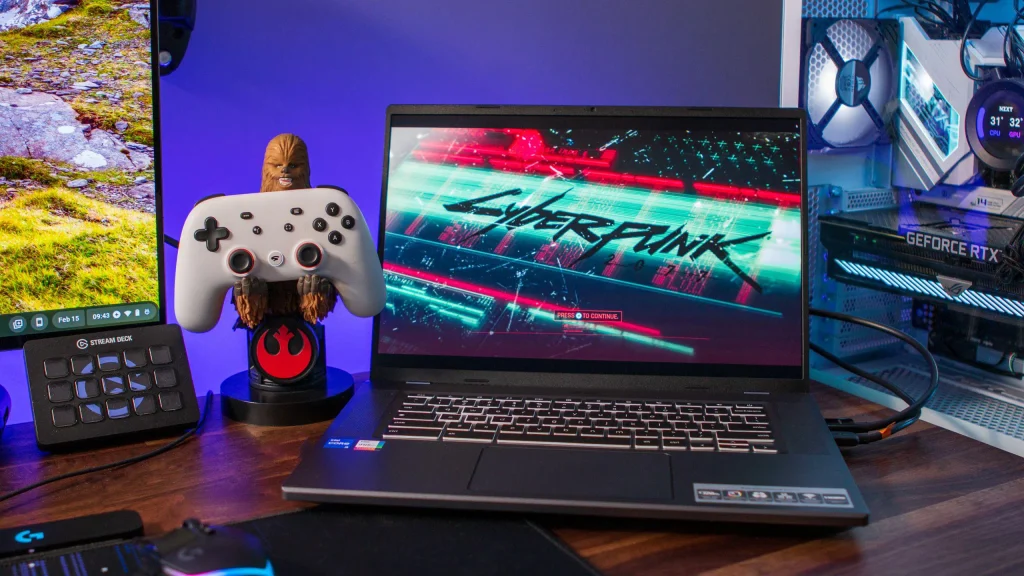
Subscriptions Are Not Always the Cheapest Option
Monthly fees add up over time. Players may also need to buy games separately, maintain multiple subscriptions, or pay for faster broadband. Some services impose session or monthly playtime limits, while others restrict streaming to supported titles.
For example, GeForce NOW’s official FAQ describes its membership options, supported games, and monthly playtime policy. PlayStation Plus includes cloud streaming in its Premium tier in supported markets, but not every membership includes the same features.
Before subscribing, gamers should calculate the total cost over two or three years, including the subscription, game purchases, internet service, and any required controller or accessory. Compare that total with the cost of hardware and the games they actually plan to play.
Internet Quality Can Make or Break the Experience
Cloud gaming depends on a stable connection, low latency, and sufficient bandwidth. Even a fast connection can feel poor if its latency fluctuates or the network becomes congested. Competitive shooters and rhythm games can be particularly sensitive to input delay.
Microsoft’s cloud gaming guidance explains device and connection requirements. NVIDIA also details supported platforms and service conditions in its GeForce NOW system requirements. Players should test their home network before relying on streaming as their primary setup.
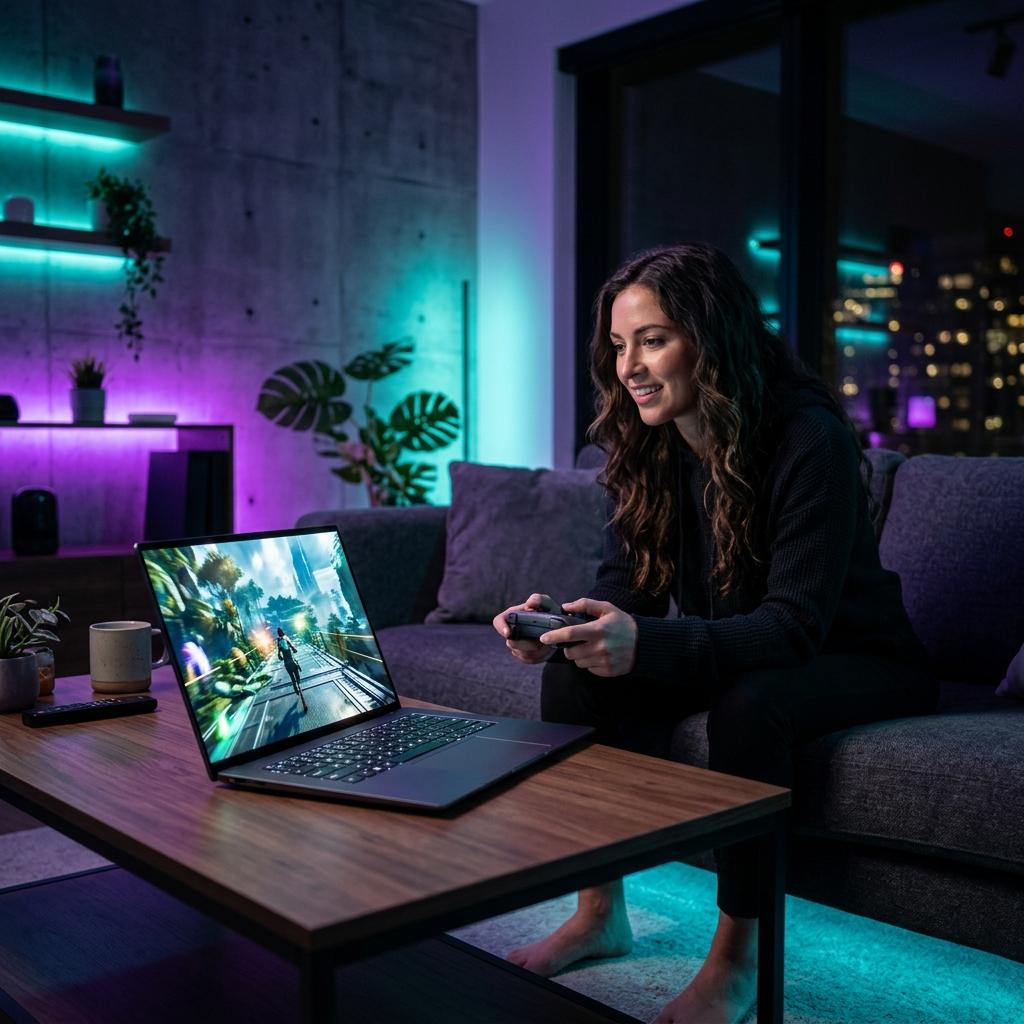
Will Gaming Hardware Disappear?
Not likely in the near future. Local hardware remains valuable for offline play, modding, high-refresh competitive gaming, and situations where internet access is unreliable. A gaming PC also offers flexibility across storefronts and applications that cloud services may not support.
Cloud gaming is best viewed as another option, not a universal replacement. Casual players and people who already own compatible devices may save on upfront costs. Enthusiasts who want consistent performance, maximum control, and long-term access may still prefer dedicated hardware. The smartest choice depends on play habits, connection quality, game ownership, and the full cost over time.
#CloudGaming #GamingPC #NextGenGaming #GeForceNOW #XboxCloudGaming #PlayStationPlus #GamingTechnology #GameStreaming #TechTrends