


Beef prices are putting pressure on American grocery budgets as ranchers, processors, distributors, and retailers navigate a tighter cattle supply. From the cost of raising livestock to cross-border trade disruptions, several forces are affecting how much families pay for steaks, ground beef, and roasts. The result is a supply-chain problem that reaches from ranches to supermarket shelves.
Why America’s Beef Supply Is Tight
The United States has been dealing with a prolonged cattle-cycle downturn. According to the USDA’s July 2026 cattle inventory report, the country had 94.2 million cattle and calves on farms. Beef cows were down 1% from a year earlier, while the 2026 calf crop was estimated to be 2% smaller.
Rebuilding a herd takes time. Cattle require years to mature and reproduce, so ranchers cannot quickly increase the number of animals available for slaughter when prices rise. The USDA Economic Research Service’s market outlook expects beef production to remain below year-earlier levels through 2027, even as imports are adjusted higher.
How Trade Disruptions Affect Grocery Bills
International trade can help fill supply gaps, but it is not an instant solution. Restrictions affecting Mexican cattle shipments over concerns about New World screwworm disrupted a source of feeder cattle for American producers. The reopening of additional entry points has created a path for imports to recover, but livestock movements and production take time to respond.
Beef imports can also be affected by tariffs, trade policy, and the availability of export supplies in other countries. The USDA’s October 2026 Livestock, Dairy, and Poultry Outlook discusses recent changes in domestic production and beef trade forecasts. Additional imports may ease some pressure, but their effect depends on volume, timing, and costs.
What Families Are Paying at the Store
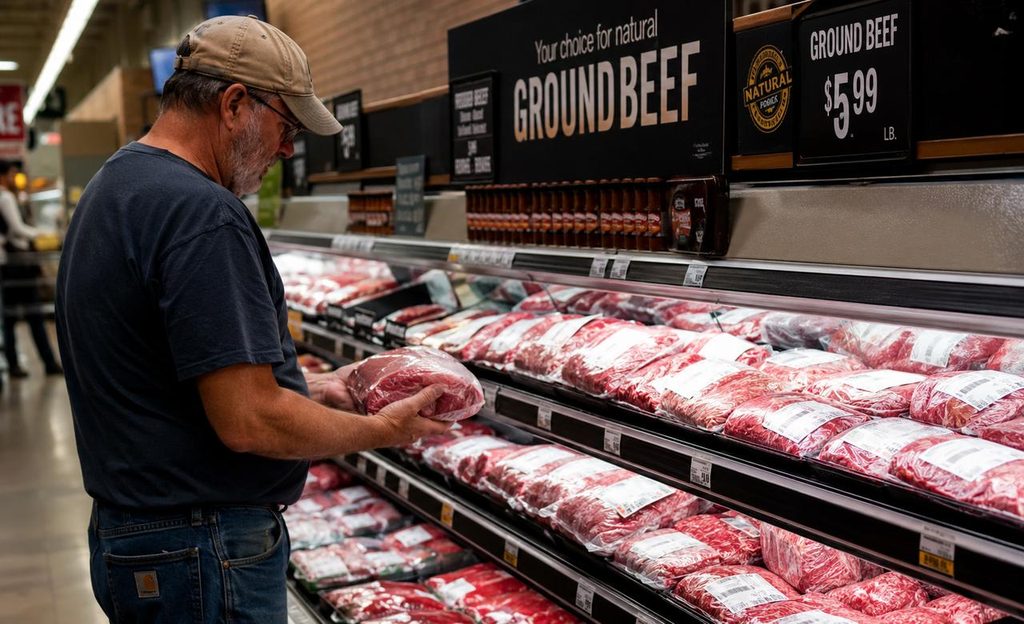
Retail prices show how supply pressures can reach consumers. The USDA Food Price Outlook reports that beef and veal prices were 3.5% higher in September 2026 than in September 2025. It forecasts an average 8.7% increase for beef and veal prices in 2026, although actual changes can differ by cut, location, and retailer.
The impact varies by household. Families that regularly buy steaks may feel price increases differently from those who rely on ground beef for burgers, tacos, and casseroles. Retail promotions, package sizes, and local competition also affect the final bill. USDA’s Food Price Outlook data helps consumers follow changes across food categories rather than relying on a single supermarket price.
Practical Ways to Manage Higher Beef Costs
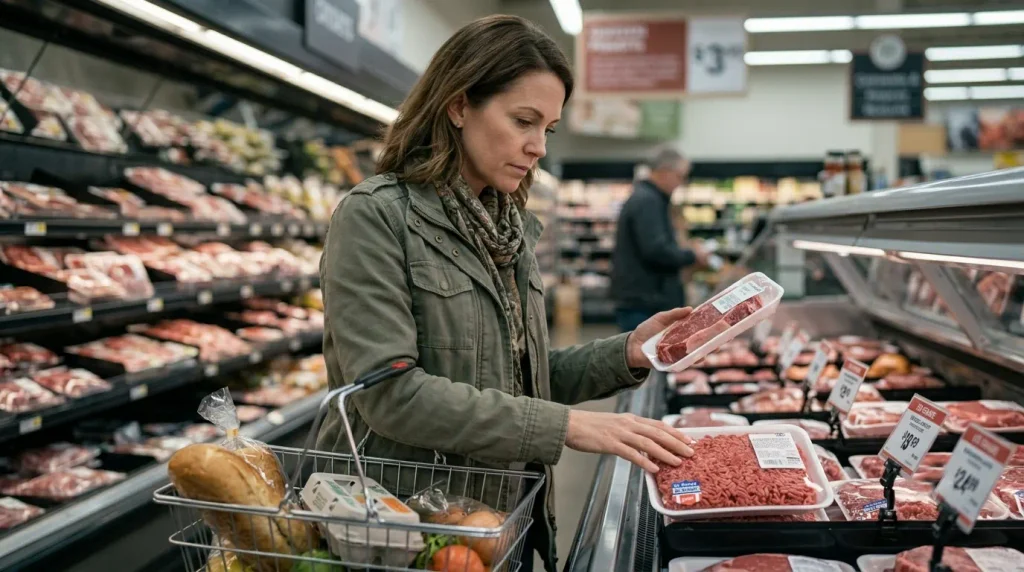
Families can compare unit prices, plan meals around weekly promotions, and use versatile cuts in stews or slow-cooker recipes. Ground beef can be stretched with beans or lentils, while chicken, pork, and eggs may offer alternatives for some meals. The USDA MyPlate resource provides guidance for building balanced meals across different food groups.
Will Prices Come Down Soon?
Relief depends on herd rebuilding, production levels, trade flows, and consumer demand. Even if cattle supplies begin recovering, the biological production cycle means improvements may take time to reach stores. For now, families can monitor prices and adjust meal plans while the beef industry works through a supply challenge that cannot be fixed overnight.
#BeefPrices #GroceryBudget #FoodInflation #CattleIndustry #AmericanRanchers #SupplyChain #GroceryShopping #FoodEconomy #USDA