


The LNG supply crunch debate is raising questions about how America’s energy policies affect household heating costs. The United States exports increasing volumes of liquefied natural gas (LNG), connecting domestic producers to global markets. Yet exports are only one part of the price equation. Domestic production, storage levels, pipeline capacity, utility rates, and winter weather all influence what families pay.
Why LNG Exports Matter to American Households
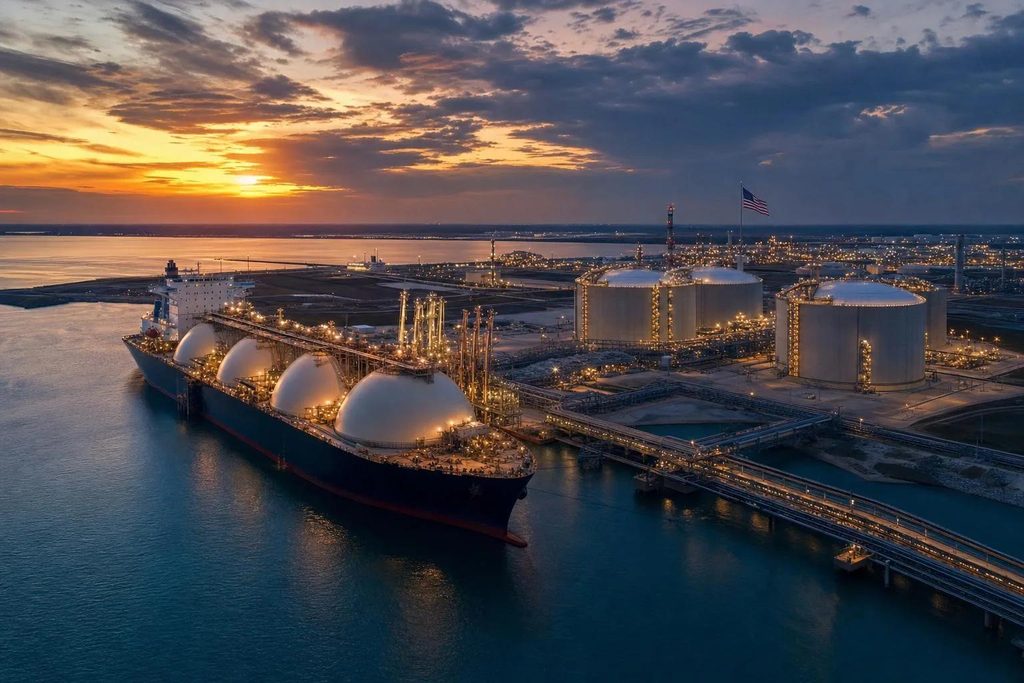
LNG is natural gas cooled into liquid form so it can be transported by specialized ships. Growing export capacity allows US producers to supply overseas customers, but it can also make domestic prices more responsive to international demand. When global buyers compete for available cargoes, exporters have incentives to sell where returns are strongest.
The US Energy Information Administration’s natural gas outlook forecasts continued growth in American LNG exports. The effect on household bills, however, depends on whether production and infrastructure can keep pace with demand. Export growth does not automatically create a shortage in the domestic market.

How Domestic Energy Policy Shapes Supply
Federal decisions on export authorizations, environmental reviews, and infrastructure permitting can influence when new LNG projects move forward. The Department of Energy’s Office of Fossil Energy and Carbon Management oversees key aspects of natural gas export policy, while the Federal Energy Regulatory Commission regulates relevant interstate natural gas infrastructure and LNG facilities within its jurisdiction.
These policies involve competing priorities. More export capacity can support energy trade and investment, while additional domestic production, pipelines, and storage can help meet local demand. Permitting decisions may affect the timing and cost of new infrastructure. Their ultimate impact on consumer prices depends on market conditions and how quickly projects deliver additional supply.
What the Latest Winter Forecast Says
The latest outlook complicates claims that American households are facing an immediate natural-gas heating crisis. In its October 2026 Winter Fuels Outlook, the EIA expects average spending on natural gas for residential energy use to fall by about 9% this winter compared with last winter. It also expects natural-gas inventories to begin the heating season above their five-year average.
That forecast reflects production, inventories, and expected weather—not a guarantee for every customer. The EIA Short-Term Energy Outlook provides updated projections for production, prices, and consumption. Meanwhile, the EIA’s residential natural gas price data helps track what households actually pay over time.
Why Some Energy Bills May Still Rise
Wholesale gas prices are only one component of a household bill. Utility delivery charges, infrastructure expenses, and state rate rules also matter. Some utilities adjust rates with a delay because they purchase gas under contracts or recover costs over longer periods.
Weather can change the picture quickly. A prolonged cold spell raises heating demand and may increase withdrawals from storage. Regional pipeline constraints can also make prices vary significantly between markets. Homes heated by electricity or heating oil face different supply dynamics and may experience different cost changes.
What Families Can Do Before Winter
Households can review utility rate plans, seal drafts, service heating equipment, and use programmable thermostats where practical. The Department of Energy’s Energy Saver guidance offers advice on reducing home energy use. Eligible households can also explore the Low Income Home Energy Assistance Program for help with heating and cooling costs.
The bottom line is that LNG exports and domestic energy policies can influence US gas markets, but they do not determine every winter bill on their own. Production, storage, regional infrastructure, utility rates, and weather will shape what households ultimately pay.
#LNG #NaturalGas #EnergyPolicy #HeatingBills #WinterEnergy #USEnergy #EnergyMarkets #EnergyAffordability #EnergySecurity