


AI companion apps are facing growing scrutiny in the United States as lawmakers debate how to regulate chatbots designed to simulate friendship, romance, and emotional intimacy. The debate is especially intense around platforms that offer fewer content restrictions or allow users to create highly personalized virtual partners.
Supporters say these services can provide entertainment, creative role-play, and a sense of connection. Critics warn that some designs may encourage emotional dependence, expose minors to inappropriate material, or collect deeply personal information from private conversations.
FTC Investigation Puts AI Companions Under the Microscope
In September 2025, the Federal Trade Commission announced an inquiry into seven companies offering consumer-facing AI chatbots. Its questions covered how companies measure potential harm to children and teenagers, monetize engagement, develop chatbot characters, and handle user information. The inquiry is a fact-finding study, not a blanket prohibition on companion apps.
Read the FTC’s official announcement for details on the investigation and the issues regulators want companies to address.

Congress Debates New Rules for AI Relationships
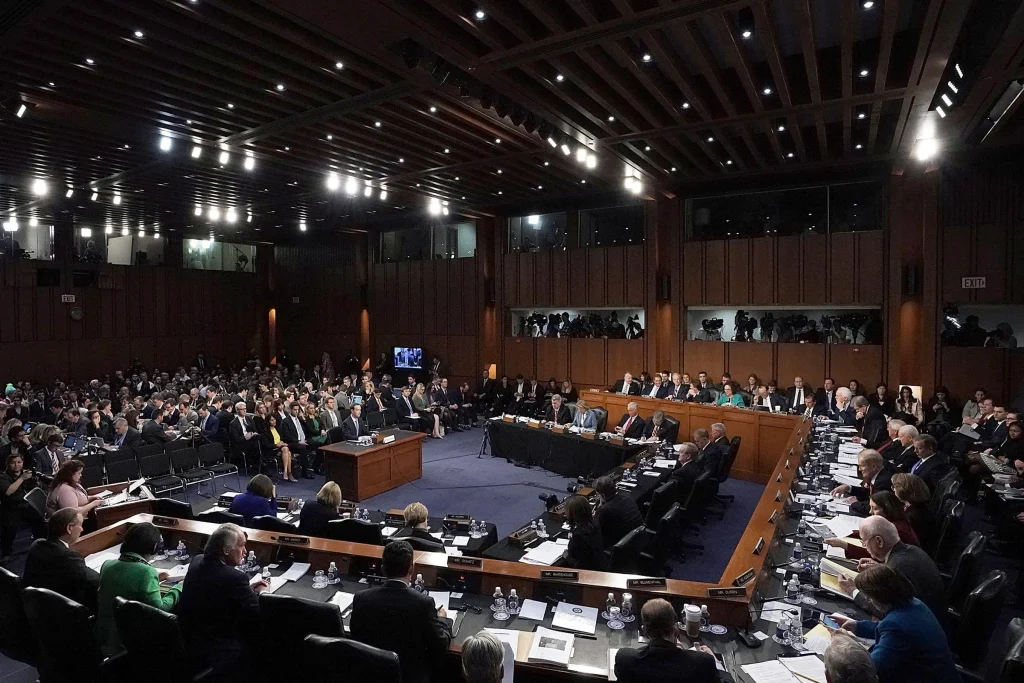
Congressional proposals in 2026 have added momentum to the debate. In August, the Senate Commerce Committee advanced the CHATBOT Act, which proposes family accounts and parental oversight for children’s chatbot use. Separately, lawmakers introduced the Protecting Kids from Human-Like Chatbots Act in October. That proposal targets human-like chatbot behavior toward minors, including simulated emotions and relationship-building language.
Another proposal, the Children Harmed by AI Technology Act 2.0, seeks a risk-based framework for protecting minors who use AI companions. These measures are legislative proposals, so their introduction or committee progress should not be confused with a nationwide ban already in effect.
Privacy, Safety, and Free Expression Collide
Regulation presents difficult questions. Companies may need stronger age protections, clear disclosures, crisis-response safeguards, and limits on manipulative engagement. Yet age verification can create new privacy risks, while broad restrictions may affect adults using AI for fiction, role-play, or consensual virtual relationships.
A Congressional Research Service overview examines policy options, including privacy, disclosures, and the potential effects of prolonged chatbot use. The Center for Democracy and Technology’s 2026 legislative review also describes the expanding state-level debate and concerns about inconsistent rules.
What Happens Next?
The regulatory battle is likely to focus on transparency, safeguards for minors, data handling, and company accountability. Policymakers must decide whether protections should target specific harmful behaviors or impose broader limits on companion-style AI.
For users, the practical lesson is to review an app’s age policy, privacy terms, data-retention settings, and content controls before sharing sensitive information. AI companions can imitate empathy, but users should not assume that a chatbot has human feelings, professional qualifications, or the confidentiality protections of a licensed counselor.
The central challenge is balancing personal freedom and technological innovation with meaningful safeguards. The outcome could shape how AI relationships develop across the United States.
#AICompanions #UncensoredAI #AIRegulation #ArtificialIntelligence #ChatbotSafety #AIPrivacy #FTC #TechPolicy #DigitalRights #ChildSafety