


Short-term rentals are facing a change that could reshape the way hosts manage vacation properties. Airbnb will limit checkout chores for reservations booked on or after November 20, 2026. Guests generally cannot be required to strip beds, wash and put away dishes, run laundry, or remove trash from the property. The change may influence operating costs, but its effects on suburban housing markets remain uncertain.
Why Airbnb Is Changing Checkout Rules
Travelers have long complained about paying cleaning fees while being asked to complete extensive housekeeping tasks. Under the new policy, hosts must disclose checkout requests and house rules clearly before guests book. Reasonable requests can remain, including gathering used towels or sorting rubbish where appropriate.
According to the Associated Press report, the policy aims to make checkout expectations clearer and reduce burdensome demands. TechCrunch’s coverage also highlights disagreement among hosts, some of whom worry about the added expense of professional cleaning between stays.
Could Hosts Raise Prices?
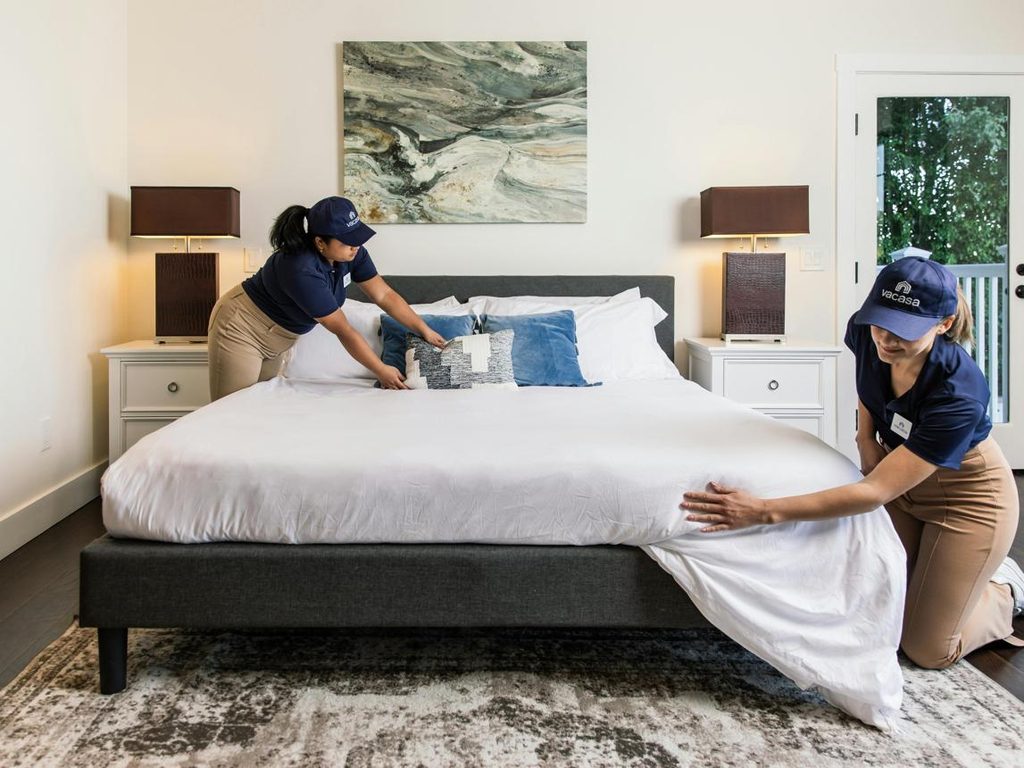
Removing guest chores may shift more turnover work to paid cleaners. Some property owners could absorb the cost, while others might adjust cleaning fees, nightly rates, or booking policies. Others could decide that short-term letting is no longer worth the effort.
However, higher prices are not inevitable. Competition between hosts, local demand, cleaning contracts, and property size all influence operating costs. The Federal Trade Commission’s fee rule requires businesses covered by the rule to disclose the total price, including mandatory fees, in relevant offers. Transparent pricing helps travelers compare the actual cost of a stay.
What This Means for Suburban Housing
The housing question is more complicated than checkout instructions. In popular destinations, investors may purchase homes primarily for short-term guests rather than long-term residents. That can reduce the supply available to local renters in some circumstances. Yet the impact varies with local housing construction, tourism, demand, and regulations.
A Congressional Research Service overview explains that short-term rentals can affect housing markets differently from one community to another. The number of properties involved and the availability of alternative housing matter more than any single platform rule.
Industry data also shows that rental markets differ significantly by location. AirDNA’s 2026 market outlook points to steady demand and slower new listing growth, while emphasizing differences between individual markets.

Hosts, Neighbors, and Local Governments
Hosts must balance guest expectations with cleaning standards, property maintenance, and profitability. Neighbors may be more concerned about frequent visitors, noise, parking, and the loss of homes available for permanent residents. Local governments can respond through registration rules, zoning restrictions, occupancy limits, or taxes.
The US housing policy research published by HUD USER offers broader context on housing affordability and local market pressures.
What Happens Next?
The no-checkout-chores policy is a change in rental operations, not a housing law. Its longer-term effects will depend on whether hosts absorb cleaning costs, change prices, or leave the market. For suburban communities, the central question remains how to balance visitor demand, homeowner income, neighborhood stability, and housing availability.
#ShortTermRentals #Airbnb #SuburbanHousing #HousingMarket #VacationRentals #RentalProperty #CleaningFees #HousingAffordability #RealEstateTrends