

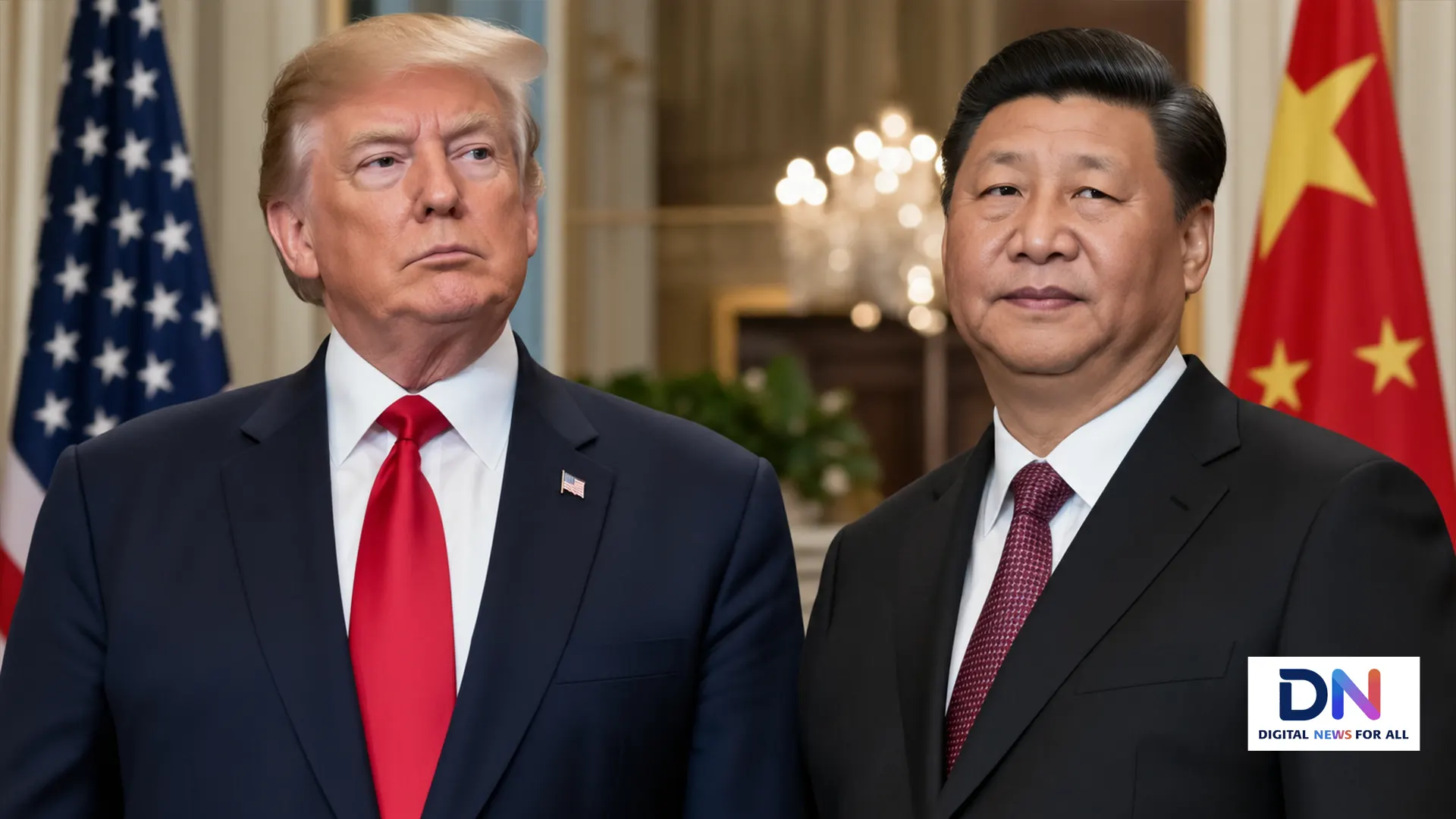
The Trump-Xi summit at the White House has delivered diplomacy, symbolism and a temporary easing of trade tensions. Yet the September 24 meeting also showed how difficult it remains for Washington and Beijing to resolve their biggest strategic disputes.
Chinese President Xi Jinping’s state visit marked his first trip to Washington in more than a decade. The White House described the visit as an important diplomatic milestone.
A Trade Truce, Not a Final Deal
The clearest economic result was an extension of the existing U.S.-China trade truce. Reuters reported that the pause was extended by two months, giving negotiators additional time to address tariffs, Chinese purchases, rare-earth supplies and technology restrictions.
That distinction matters for American businesses and consumers. An extension can reduce the immediate risk of another tariff escalation, but it does not permanently settle the underlying trade dispute. The U.S. Trade Representative had already signaled that Washington wanted continued engagement focused on balanced trade and market access.
AI Becomes a New Strategic Front
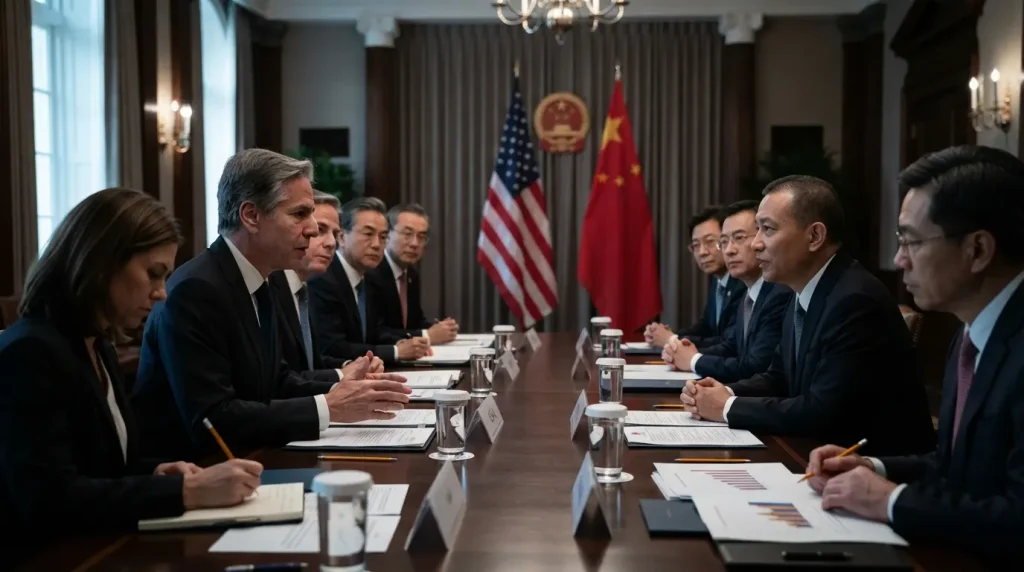
Artificial intelligence was another major issue surrounding the Trump-Xi summit. Both governments recognize AI as an economic and national-security priority, but cooperation remains complicated by intense technological competition.
China’s official account of the meeting said Xi called for continued AI dialogue and argued that artificial intelligence should remain under human control. Trump also described AI as an area where the two countries should maintain dialogue.
The White House news archive provides official updates surrounding the visit, while the World Economic Forum identified technology, critical minerals and Taiwan as central areas to watch.
Taiwan Remains the Biggest Strategic Test
Taiwan remains one of the most sensitive issues in U.S.-China relations. Xi urged Washington to oppose Taiwan independence and handle cross-Strait issues cautiously, according to China’s official readout.
The United States has maintained its longstanding framework toward Taiwan while supporting peaceful resolution of cross-Strait differences. Background from the Congressional Research Service outlines the competing U.S. and Chinese positions.
Breakthrough or Temporary Stability?
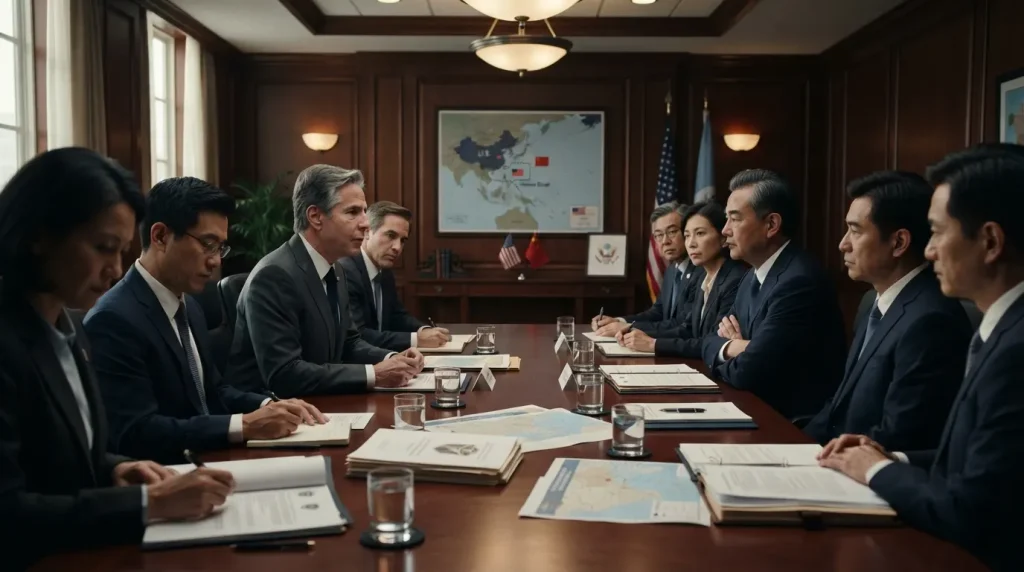
The summit therefore offers two competing interpretations. Supporters of diplomacy can point to continued leader-level communication, a longer trade truce and agreement to keep discussions going. Critics can point to the absence of major settlements on Taiwan, technology restrictions and the broader strategic rivalry.
The Carnegie Endowment for International Peace noted before the meeting that the real test would come after the leaders left the room and negotiators had to turn broad understandings into concrete results.
For now, the Trump-Xi summit appears less like a final reset and more like another stage in managing an increasingly complex relationship. The coming months will show whether today’s diplomatic gestures translate into durable agreements or simply postpone the next confrontation.
#TrumpXiSummit #Trump #XiJinping #USChina #China #TradeWar #Taiwan #AI #Diplomacy #WorldPolitics #Geopolitics