

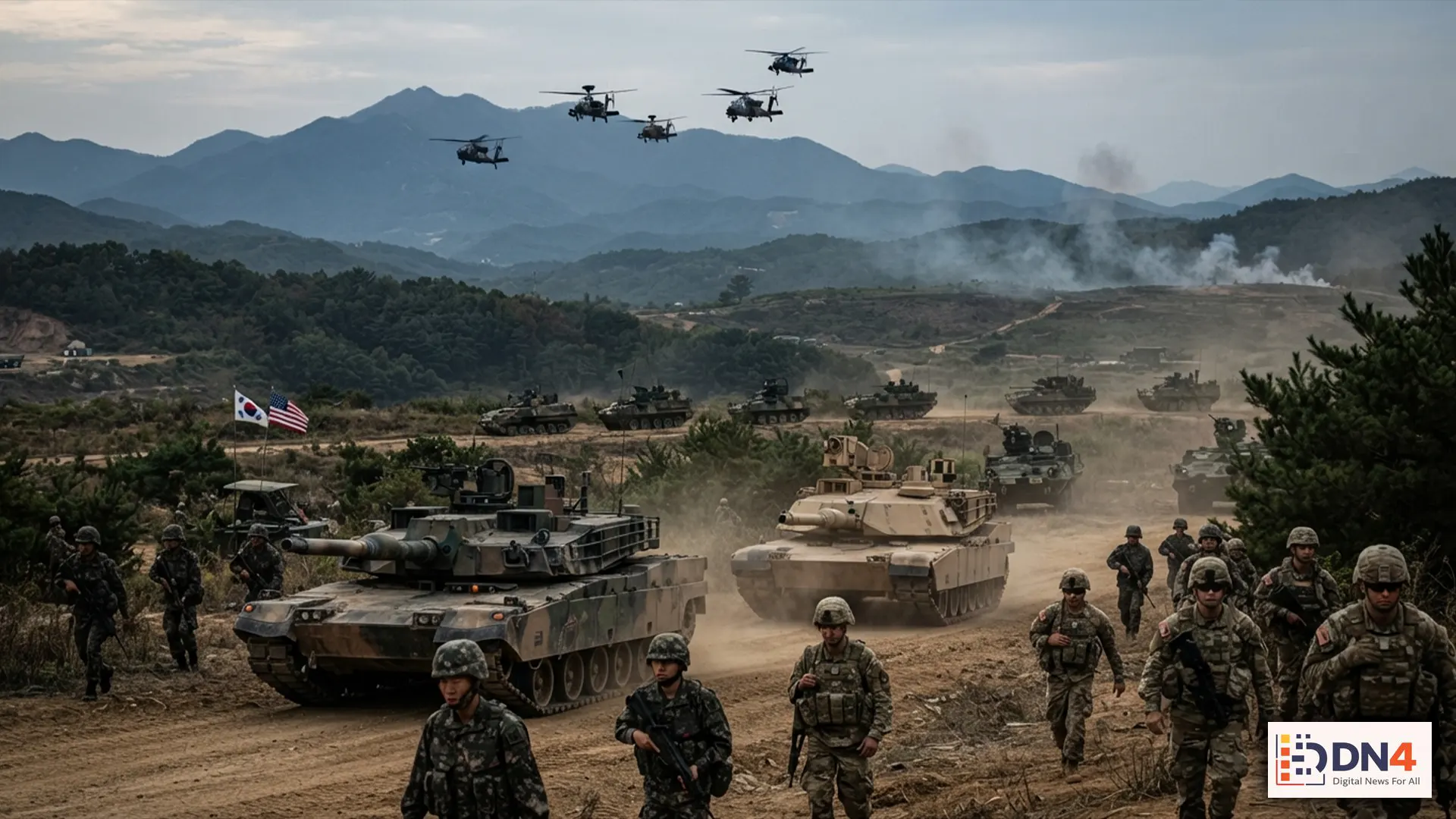
U.S.-South Korea exercises are facing renewed scrutiny after President Donald Trump ordered a reduction in the scale of upcoming joint military drills, raising questions about Washington’s approach to military readiness and deterrence on the Korean Peninsula.
The decision comes as the United States and South Korea continue balancing combined defense preparations with diplomatic efforts aimed at reducing tensions in the region. Joint exercises have long been a central part of the two countries’ military alliance and are closely watched by North Korea.
Why the Exercises Matter
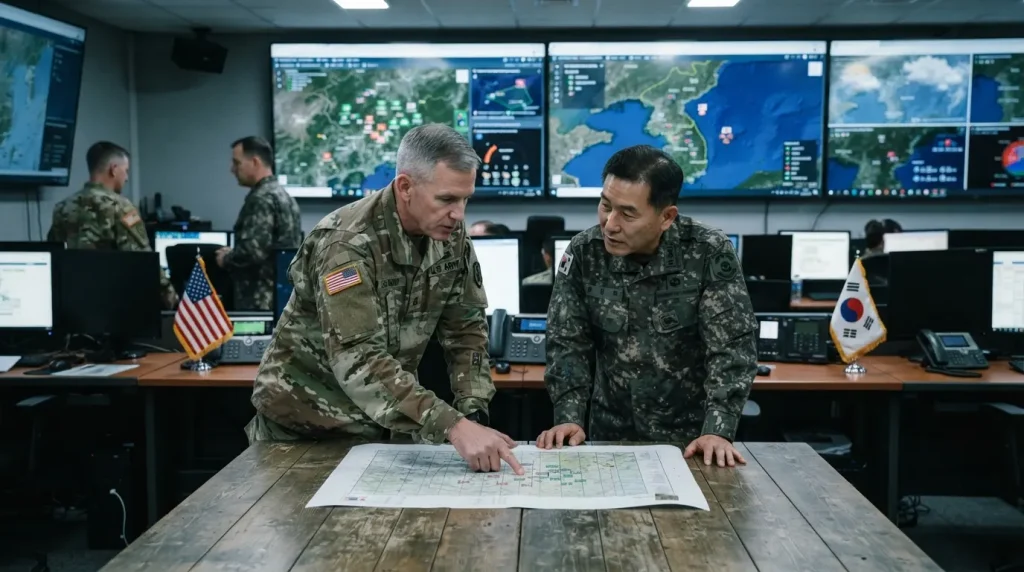
Washington and Seoul conduct regular military exercises to improve the ability of their forces to operate together during a potential crisis. The drills can involve command-and-control operations, field training and other activities designed to strengthen coordination between allied forces.
The U.S. Department of Defense has consistently described combined exercises with South Korea as important to maintaining readiness and interoperability between the two militaries.
South Korea’s Ministry of National Defense likewise plays a central role in coordinating the country’s defense posture and military cooperation with Washington.
A Delicate Balance Between Readiness and Diplomacy
Reducing the size or scope of military exercises can carry both diplomatic and operational significance. Supporters may view a smaller exercise as a way to lower tensions and create space for negotiations, while critics can argue that reducing training opportunities could affect military preparedness.
The issue is particularly sensitive on the Korean Peninsula, where North Korea has repeatedly criticized U.S.-South Korean military drills as preparations for invasion. Pyongyang has historically responded to major exercises with warnings, military demonstrations or missile activity.
The U.S. State Department describes the U.S.-South Korea relationship as a longstanding alliance centered on security cooperation and regional stability.
What the Change Could Mean for the Alliance
The scaled-down approach does not necessarily mean an end to combined military training. Instead, the central question is how Washington and Seoul can maintain credible readiness while adjusting the size, visibility or format of exercises.
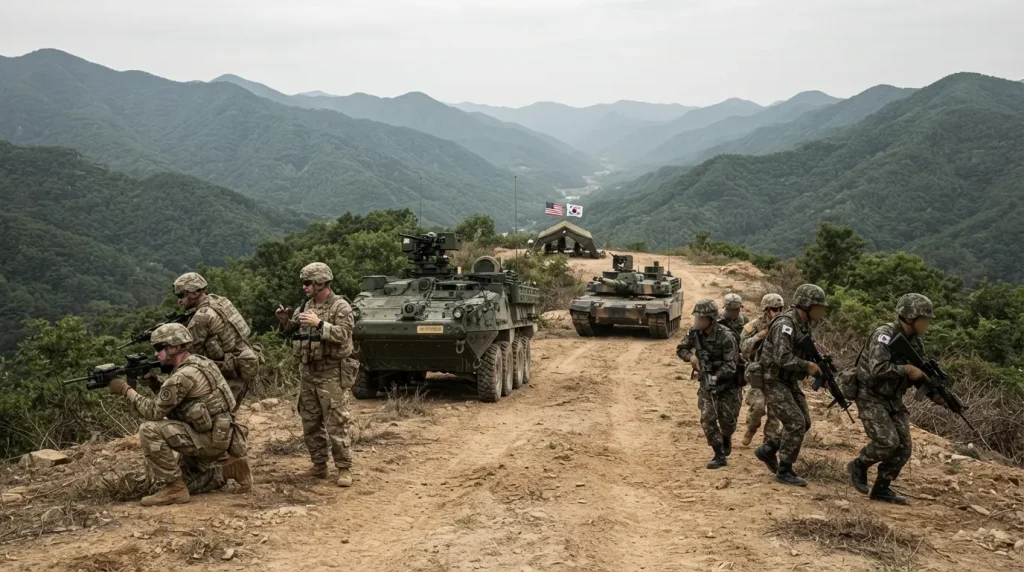
For South Korea, the issue is closely connected to its reliance on the U.S. security commitment. Thousands of American service members remain stationed in the country, making military coordination between the allies a fundamental part of Seoul’s defense strategy.
The U.S. Forces Korea mission includes maintaining readiness and supporting the U.S.-South Korean alliance. Any changes to combined exercises therefore receive close attention from military planners and policymakers.
North Korea Will Be Watching
Pyongyang is likely to closely monitor changes to allied exercises because it views U.S. and South Korean military cooperation as a major security concern. At the same time, maintaining sufficient training remains important to the allies’ ability to respond to a potential crisis.
The International Atomic Energy Agency continues to monitor developments involving North Korea’s nuclear program, underscoring the broader security challenges facing the region.
What Comes Next
The key test will be whether a smaller exercise format can preserve the military readiness expected from the alliance while supporting broader diplomatic objectives. The answer could influence how future U.S.-South Korean drills are designed and conducted.
Trump’s decision to scale back joint exercises with South Korea puts the U.S.-South Korean alliance at the intersection of military preparedness and diplomacy. While smaller drills could help reduce tensions, maintaining credible combined readiness remains a central concern for both allies as regional security challenges continue.
#Trump #SouthKorea #MilitaryExercises #USSouthKorea #KoreanPeninsula #USMilitary #NorthKorea #Geopolitics #WorldNews