

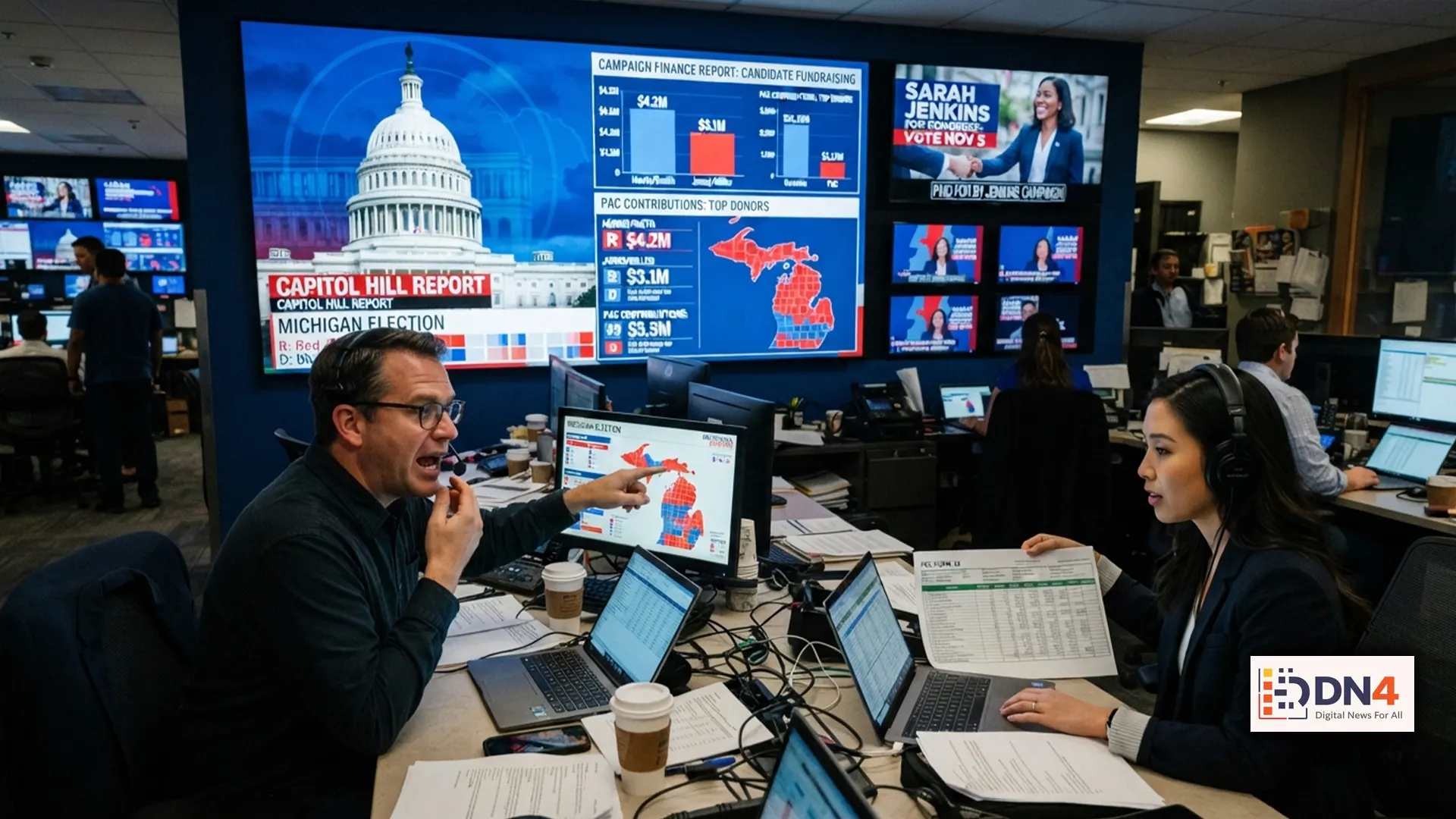
Campaign financing has become one of the defining features of modern American elections. As Michigan prepares for a highly competitive U.S. Senate contest, political action committees (PACs), advocacy organizations, labor unions, industry groups, and individual donors are investing millions of dollars to influence voter outreach, advertising, and campaign strategy. Among the organizations drawing significant public attention is the American Israel Public Affairs Committee (AIPAC), whose political spending has become an important topic in federal elections.
Understanding AIPAC’s Political Activity
AIPAC is a pro-Israel advocacy organization that supports candidates it believes will strengthen the U.S.-Israel relationship. Through its affiliated political action committee and independent expenditure committee, it supports selected candidates from both major political parties. Like other political organizations, its campaign activities are governed by federal election laws and public disclosure requirements.
Official campaign finance data is publicly available through the Federal Election Commission (FEC), while legislative information can be found through the U.S. Senate.
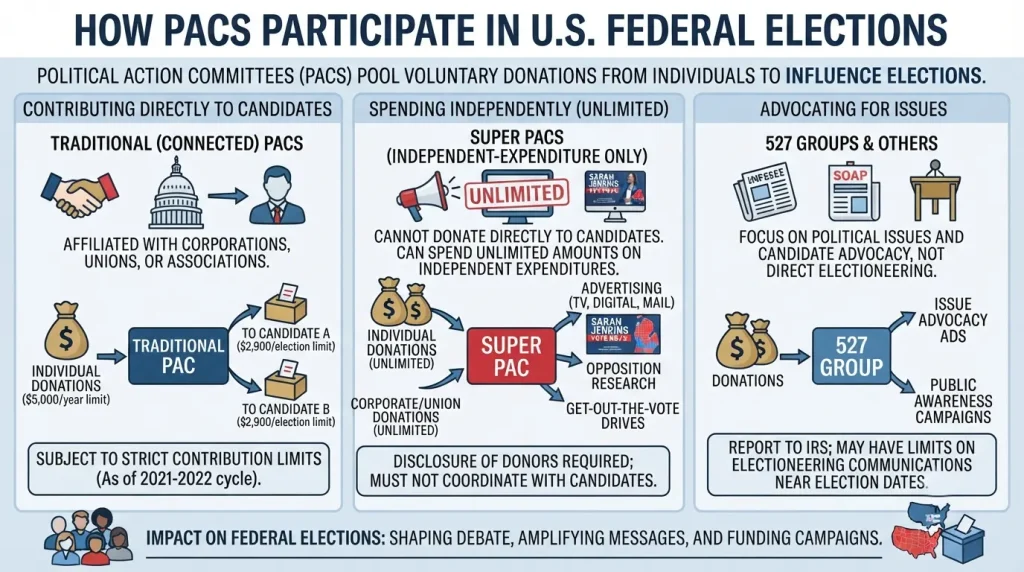
Why Michigan Matters
Michigan remains one of the nation’s most competitive political battlegrounds. Closely contested statewide races often attract substantial financial support from national organizations seeking to influence voter engagement through television advertising, digital campaigns, direct mail, and grassroots outreach.
Because Senate elections can influence the balance of power in Congress, outside organizations frequently increase spending in competitive states where election outcomes may have national significance.
How Campaign Spending Influences Elections
- Funding television, radio, and digital advertising.
- Supporting voter registration and outreach efforts.
- Conducting polling and campaign research.
- Financing independent political communications.
- Mobilizing volunteers and grassroots organizations.
The Broader Debate
Supporters argue that political advocacy groups provide valuable opportunities for civic participation and policy advocacy. Critics contend that large-scale campaign spending by outside organizations can amplify the influence of well-funded interests. Campaign finance remains a subject of ongoing legal, political, and public policy debate.
Research and election data published by the OpenSecrets, the Brennan Center for Justice, and the Federal Election Commission help track campaign spending and election transparency.
As Election Day approaches, campaign finance reports will continue offering insight into how organizations, candidates, and independent groups allocate resources. Regardless of political affiliation, transparency requirements matter. They allow voters to review publicly disclosed financial information and better understand how campaigns are funded.
Readers interested in campaign finance and election transparency can explore official resources from the Federal Election Commission, OpenSecrets, the Brennan Center for Justice, the U.S. Senate, the USA.gov, and the Congress.gov.
#AIPAC #MichiganSenate #CampaignFinance #USElections #PoliticalNews #Election2026 #Congress #Democracy #USPolitics