

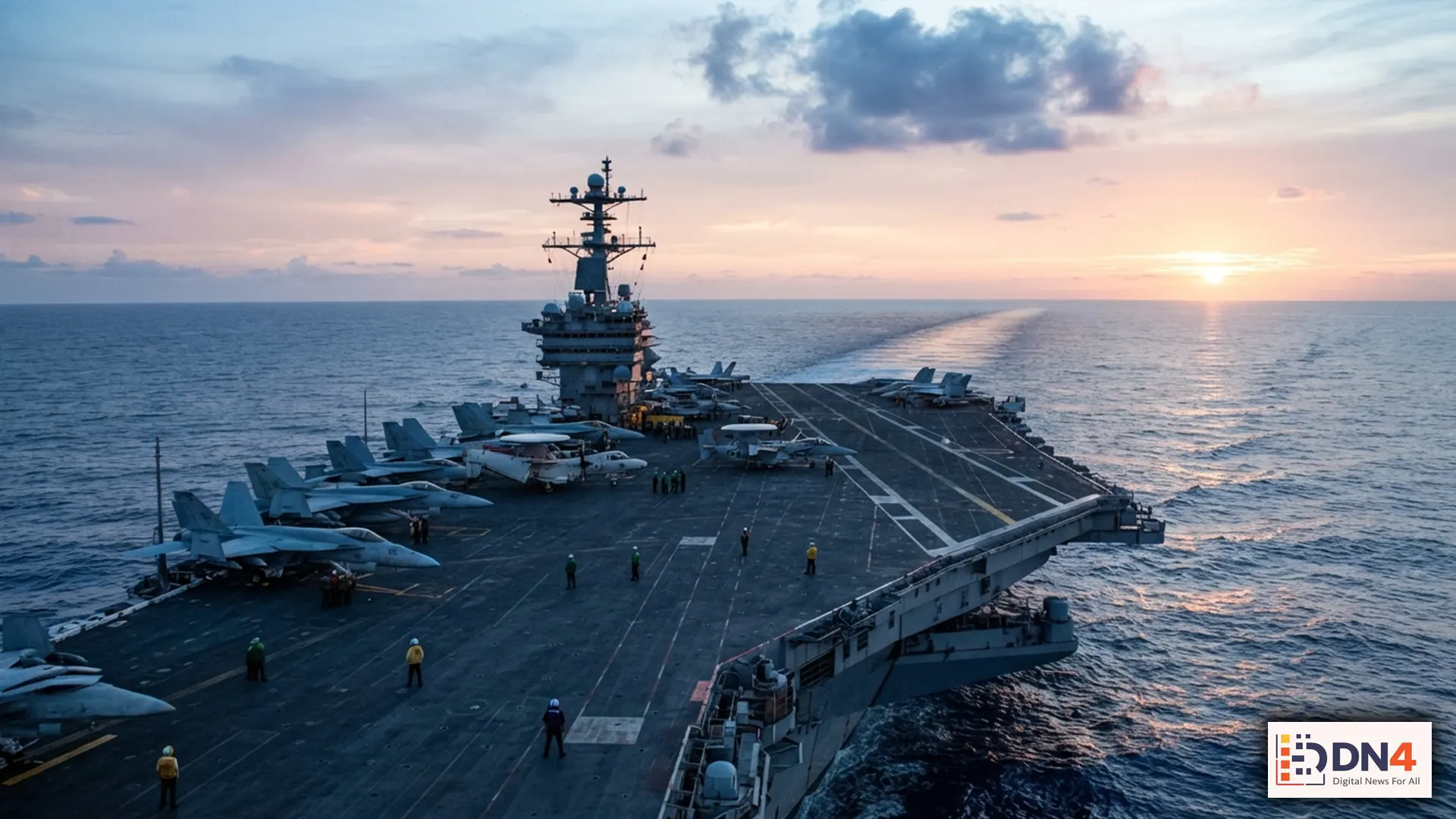
The USS Lincoln deployment has put renewed attention on the demands placed on sailors during prolonged naval operations. While aircraft carriers are designed to operate for extended periods at sea, lengthy deployments can create significant personal and psychological challenges for service members separated from their families and normal routines.
The U.S. Navy continues to emphasize readiness while also expanding efforts aimed at supporting the well-being of sailors. Mental-health resources, command support and access to medical professionals are increasingly viewed as important parts of maintaining an effective force.
Why Extended Deployments Can Be Difficult
Life aboard an aircraft carrier involves demanding schedules, limited personal space and long periods away from home. Sailors may work irregular hours while maintaining operational readiness, sometimes in stressful or unpredictable circumstances.
The Military OneSource program provides service members and their families with confidential resources covering emotional well-being, relationships, deployment challenges and other aspects of military life.
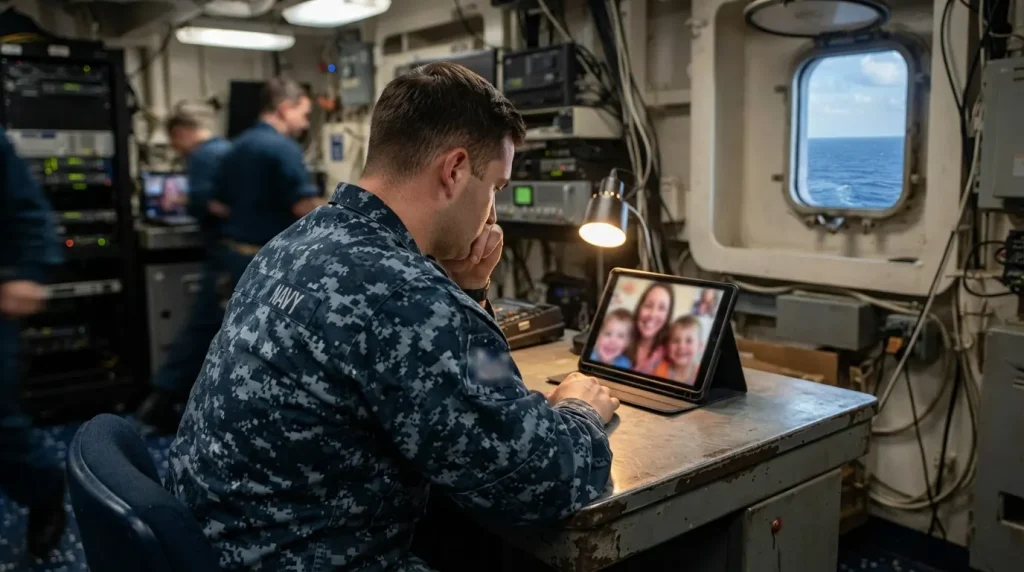
For sailors on extended deployments, maintaining connections with family and trusted support networks can be especially important. Communication opportunities may help reduce isolation, although operational requirements can sometimes limit contact.
The Navy’s Growing Focus on Mental Health
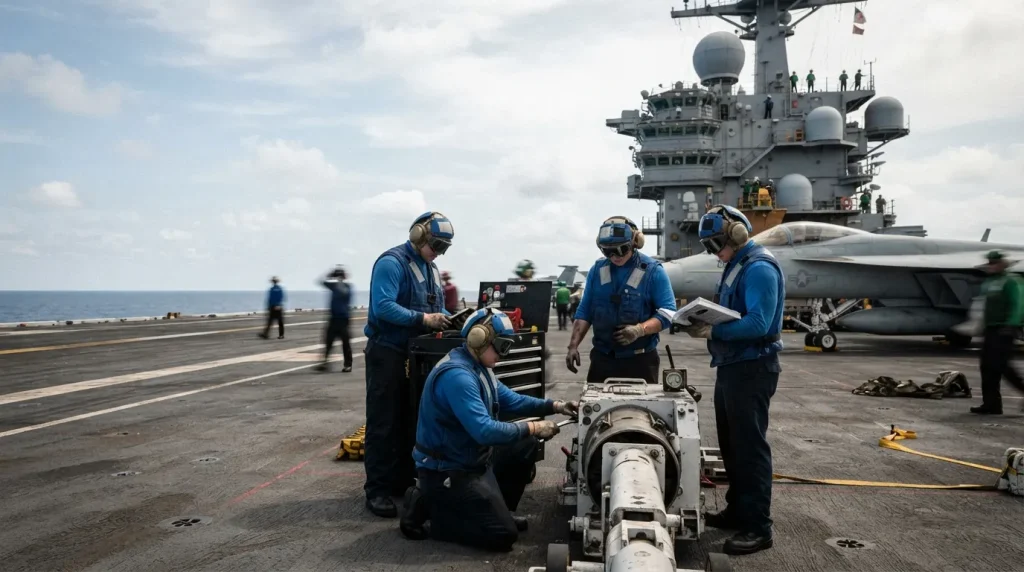
Mental health has become an increasingly visible component of military readiness. The Navy’s approach includes behavioral-health services, counseling resources, chaplain support and programs designed to encourage sailors to seek assistance before problems become crises.
The Navy Bureau of Medicine and Surgery oversees medical support for the Navy and provides information about behavioral-health resources available to service members.
The Defense Health Agency also supports military health services across the Department of Defense, including resources intended to improve access to behavioral and psychological care.
Readiness and Well-Being Go Together
For a carrier strike group, readiness depends on much more than aircraft, ships and weapons systems. Sailors operate the equipment, maintain critical systems and make decisions under pressure. Their physical and psychological condition can therefore directly affect mission performance.
That connection has encouraged military leaders to treat mental-health support as part of overall force readiness rather than as a separate issue. The Department of Defense’s Total Force Fitness initiative similarly recognizes that service-member performance is influenced by physical, psychological, social and other dimensions of well-being.
Support Beyond the Ship
Families also play an important role during extended deployments. Navy family-readiness programs are designed to help relatives navigate communication challenges, deployment schedules and the practical pressures that can accompany long separations.
The Military OneSource deployment resources provide guidance for service members and families preparing for and managing deployment-related challenges.
For sailors experiencing an immediate mental-health crisis, the Veterans Crisis Line is available to eligible service members, veterans and their loved ones. Service members can also use military medical and command resources available through their branch.
What the Lincoln’s Deployment Highlights
The extended deployment of a carrier such as the USS Abraham Lincoln illustrates the complicated balance between operational demands and human sustainability. Keeping a carrier at sea requires thousands of sailors to maintain demanding routines for months at a time.
As the Navy continues preparing for a security environment that requires sustained global presence, sailor well-being remains a priority. It’s likely to stay an important part of that strategy.
The USS Lincoln’s extended deployment is a reminder that military readiness ultimately depends on people. Maintaining ships and aircraft is essential, but supporting the sailors responsible for operating them is equally important. Mental-health resources, family support and strong command leadership can help sailors remain resilient during demanding periods at sea.
#USSLincoln #USNavy #NavyDeployment #SailorMentalHealth #MilitaryHealth #MilitaryNews #NavyLife #MentalHealth #DefenseNews