

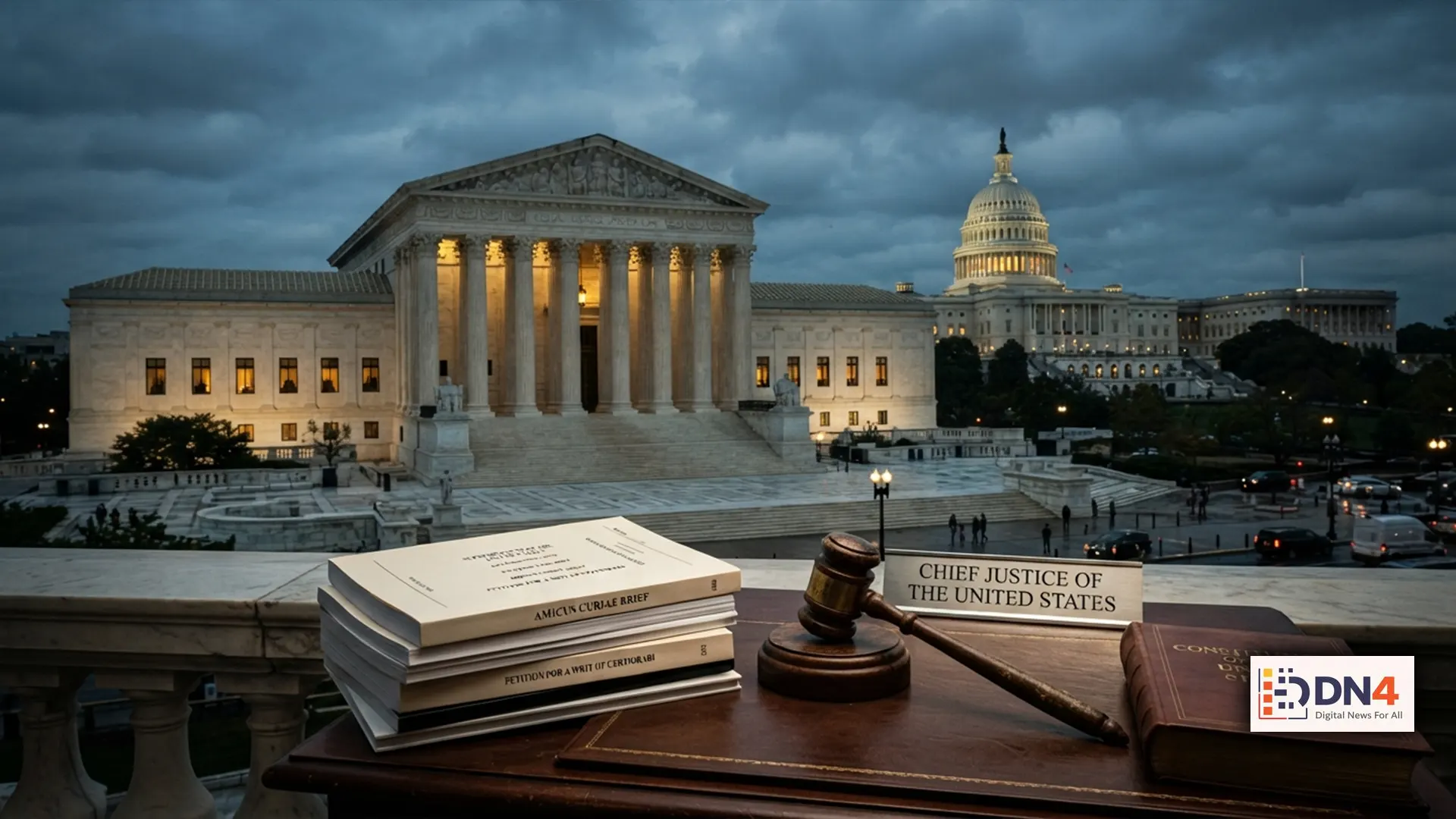
The legal legacy of the January 6, 2021, attack on the U.S. Capitol continues to evolve as federal courts issue new decisions interpreting the laws used to prosecute participants. Every significant ruling has the potential to influence how future cases are argued, making recent judicial opinions closely watched by legal scholars, prosecutors, defense attorneys, and policymakers alike.
While individual court decisions do not automatically create nationwide precedent, rulings from federal appellate courts—and especially the U.S. Supreme Court—can shape how lower courts interpret criminal statutes and constitutional protections. Official court opinions are published by the U.S. Courts, while legislative materials are available through Congress.gov.
Why the Latest Ruling Matters
Recent judicial decisions related to January 6 cases have focused on issues such as statutory interpretation, criminal intent, evidence standards, and sentencing. In some instances, judges have clarified how specific federal laws should be applied, while in others they have limited or expanded prosecutors’ legal arguments.
Whether a ruling establishes a binding precedent depends largely on which court issued the decision. District court rulings generally apply only to the specific case before the judge, whereas appellate court decisions may become binding within their federal circuit. Guidance on the federal court system is available from the Administrative Office of the U.S. Courts.
Understanding Legal Precedent
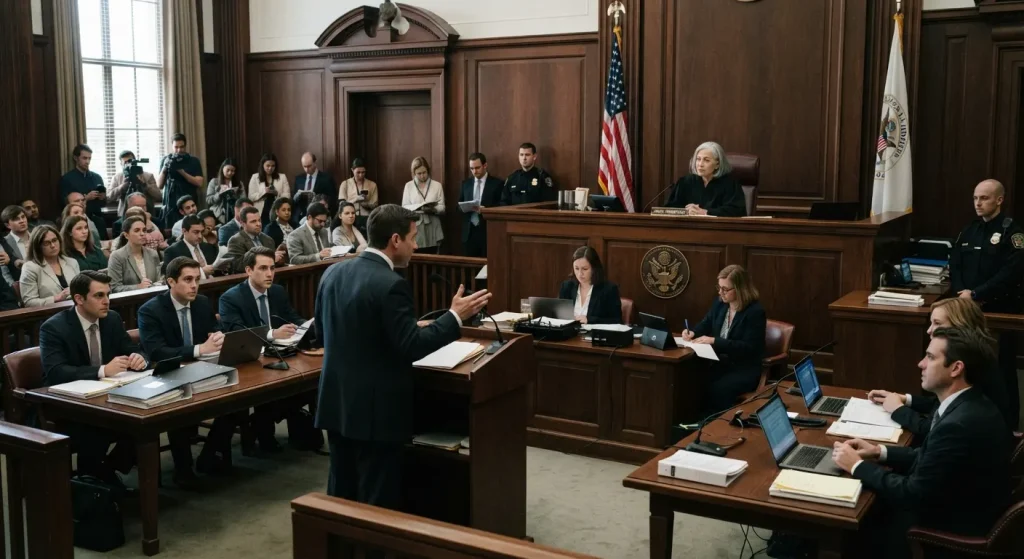
Legal precedent refers to judicial decisions that guide future courts when similar legal questions arise. The doctrine of stare decisis encourages consistency by allowing courts to rely on earlier rulings when interpreting statutes and constitutional principles. However, not every opinion creates a new legal standard, and courts often distinguish cases based on their specific facts.
Legal experts note that appellate decisions carry greater authority because they review lower court rulings and provide broader interpretations of federal law. Information about Supreme Court opinions and procedures is available through the Supreme Court of the United States.
Potential Impact on Future Cases
If higher courts reinterpret statutes used in January 6 prosecutions, prosecutors and defense attorneys may adjust their legal strategies in ongoing and future cases. Such rulings could also influence how Congress drafts legislation addressing election security, public safety, or federal criminal law.
Legal analysts caution against assuming that every high-profile ruling dramatically changes the law. Instead, precedent often develops gradually through multiple decisions across different courts before the legal landscape becomes settled.
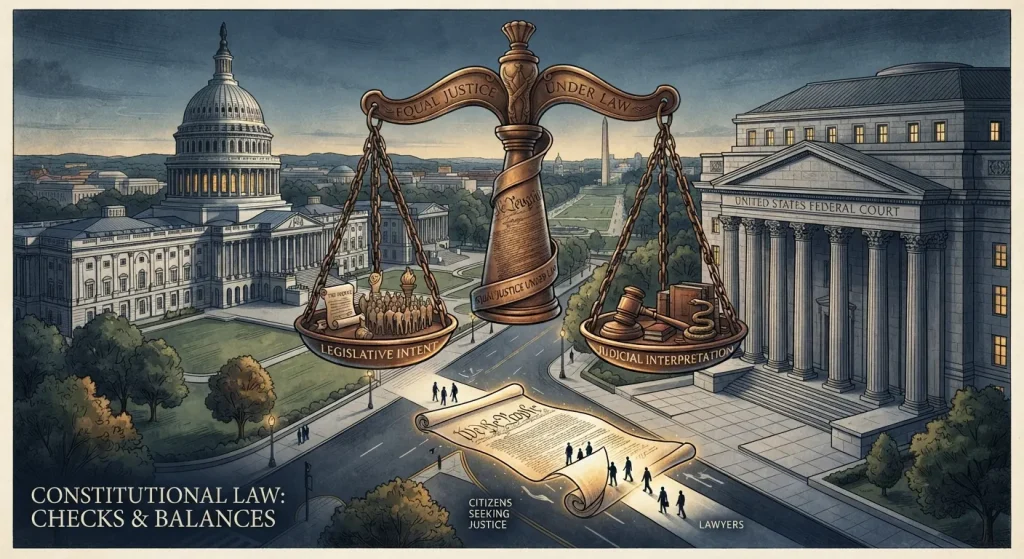
The January 6 prosecutions will likely remain an important part of federal legal history for years to come. As additional appeals move through the judicial system, courts will continue defining how existing statutes apply to unprecedented events.
For readers following these developments, the most reliable information comes from official court opinions, government records, and reputable legal analysis. Whether a particular ruling becomes a lasting precedent ultimately depends on how future courts interpret and apply its reasoning.
#January6 #FederalCourts #LegalNews #USPolitics #SupremeCourt #RuleOfLaw #BreakingNews