

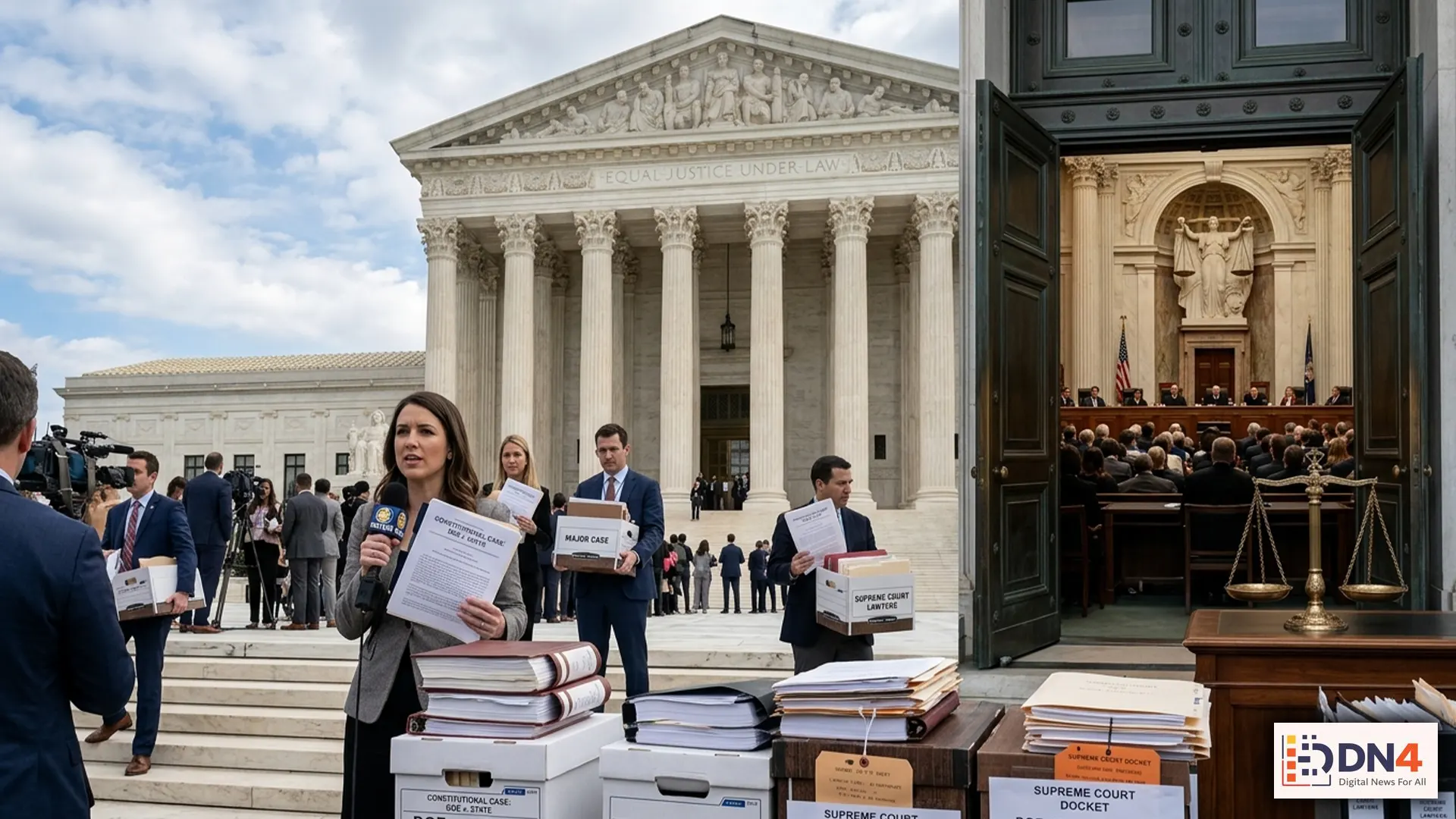
The U.S. Supreme Court’s decision not to revive Carter Page’s lawsuit against former FBI Director James Comey represents a significant moment in the ongoing legal debate surrounding government officials, constitutional protections, and accountability for actions taken during federal investigations.
The case attracted national attention because it involved allegations connected to the FBI’s surveillance activities during the investigation into Russian interference in the 2016 presidential election. At the center of the dispute was whether Page could pursue damages claims against senior government officials over alleged constitutional violations.
The Background Behind Carter Page’s Lawsuit
Carter Page, a former foreign policy adviser to Donald Trump’s 2016 presidential campaign, filed legal action against former FBI officials including James Comey. The lawsuit argued that government actions connected to surveillance applications violated his constitutional rights.
The dispute focused on whether federal officials could be held personally responsible through a civil lawsuit for actions performed as part of their official duties.
Information about Supreme Court proceedings and decisions is available through the Official Supreme Court website.
Why the Supreme Court Declined to Revive the Case
The Supreme Court’s decision left in place lower court rulings that prevented Page’s lawsuit from moving forward. The justices declined to expand the ability of individuals to sue federal officials for alleged constitutional violations in this context.
A key issue in cases like this involves legal protections known as qualified immunity. Courts have often recognized that government officials need certain protections from personal liability when performing official responsibilities.
Supporters of these protections argue they prevent officials from facing constant litigation that could interfere with government operations. Critics argue that excessive legal protections can make it difficult to hold officials accountable for misconduct.
The Larger Debate Over Government Accountability
The Carter Page case reflects a broader national debate about balancing two important principles: protecting government employees who act within their roles and ensuring citizens have legal options when constitutional rights are allegedly violated.
Civil rights organizations such as the American Civil Liberties Union have frequently examined questions involving government power, individual rights, and legal accountability.
Legal analysis resources including Cornell Legal Information Institute provide public explanations of constitutional principles and court doctrines.
What the Decision Means Going Forward
The ruling does not erase public debate surrounding the FBI’s actions during the Russia investigation era. Instead, it addresses a narrower legal question: whether this type of lawsuit could proceed against federal officials under existing legal standards.
The decision may influence future cases involving lawsuits against government officials and the limits of civil liability for federal actions.
A Continuing Conversation About Justice and Power
The Supreme Court’s refusal to revive Carter Page’s lawsuit highlights the complicated relationship between government authority and individual legal rights.
For supporters of government accountability, the decision raises concerns about whether individuals have sufficient remedies when they believe officials have violated their rights. For supporters of stronger official protections, the ruling reinforces the importance of allowing government employees to perform their duties without overwhelming legal exposure.
The broader debate over accountability, immunity, and constitutional protections is likely to continue through future court cases and legislative discussions.
#SupremeCourt #CarterPage #JamesComey #LegalNews #USPolitics #ConstitutionalLaw #FBI #CourtDecision #JusticeSystem