

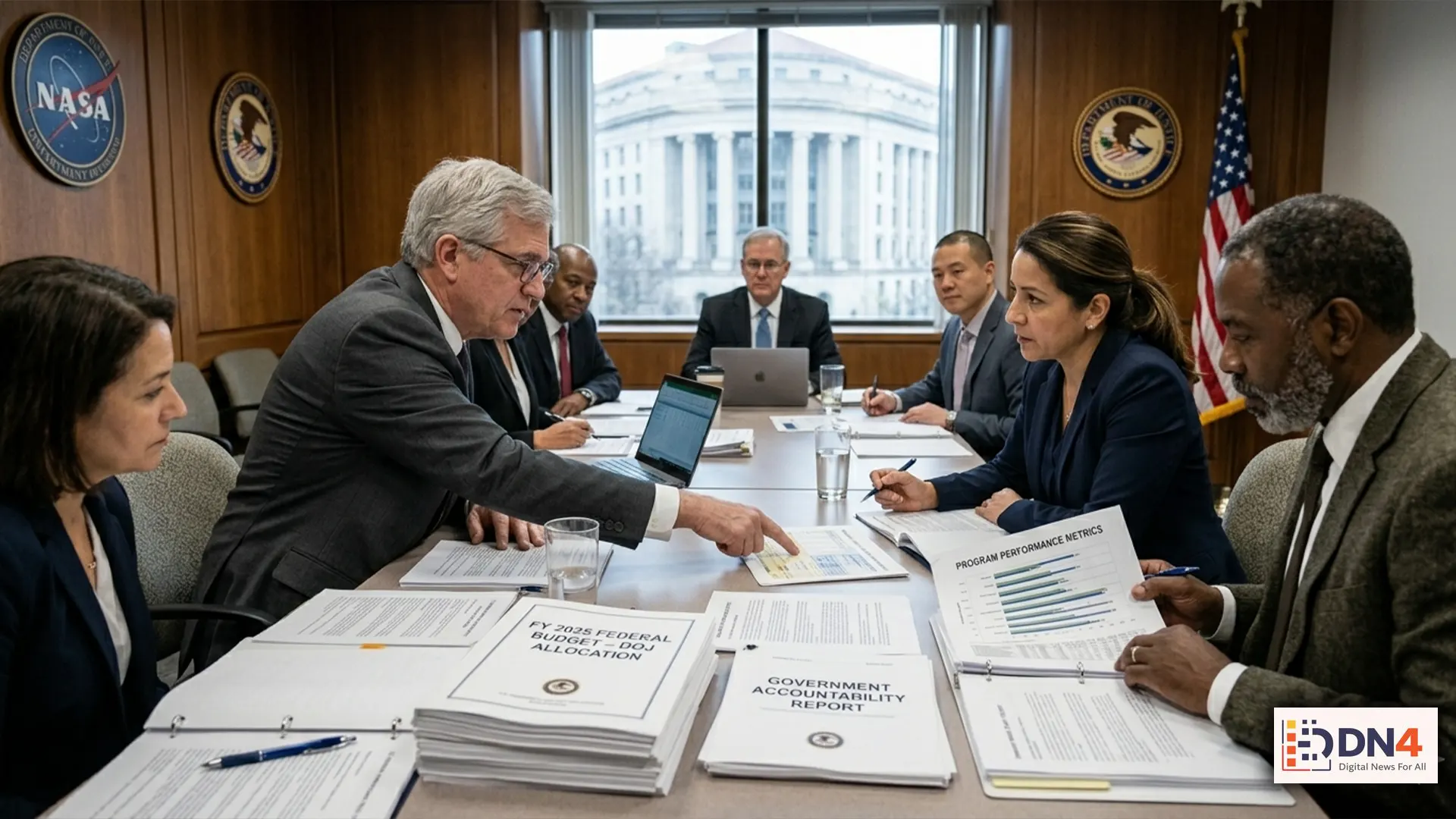
The U.S. Department of Justice has ended support for the Anti-Weaponization Fund. The move has triggered debate among lawmakers, policy analysts, and government watchdog groups. Many experts now question how the change could affect oversight and accountability across federal agencies.
Federal spending remains under intense scrutiny. As a result, any major funding change often attracts attention from both Congress and the public.
Why the DOJ Made the Change
The Department of Justice regularly reviews programs and funding priorities. According to the U.S. Department of Justice, agencies must align resources with strategic goals and operational needs.
Officials believe the funding shift will allow the department to focus on programs that deliver measurable results. Supporters argue that targeted spending can improve efficiency and strengthen resource management.
Understanding Federal Budget Oversight
Budget oversight helps ensure agencies spend taxpayer money responsibly. It also promotes transparency and accountability throughout government operations.
The Government Accountability Office plays a major role in reviewing federal programs. Its audits often identify waste, inefficiencies, and opportunities for improvement.
Strong oversight can:
- Reduce unnecessary spending.
- Improve financial transparency.
- Strengthen public trust.
- Support evidence-based policymaking.
- Increase operational efficiency.
What Critics Are Saying
Critics worry that eliminating the fund could weaken certain accountability measures. They argue that oversight programs often require dedicated resources to function effectively.
Several policy experts have pointed to research from the Brookings Institution, which highlights the importance of independent review mechanisms within government agencies.
Some watchdog organizations also fear that reduced oversight funding could make it harder to detect inefficiencies or misconduct.
The Role of Congress
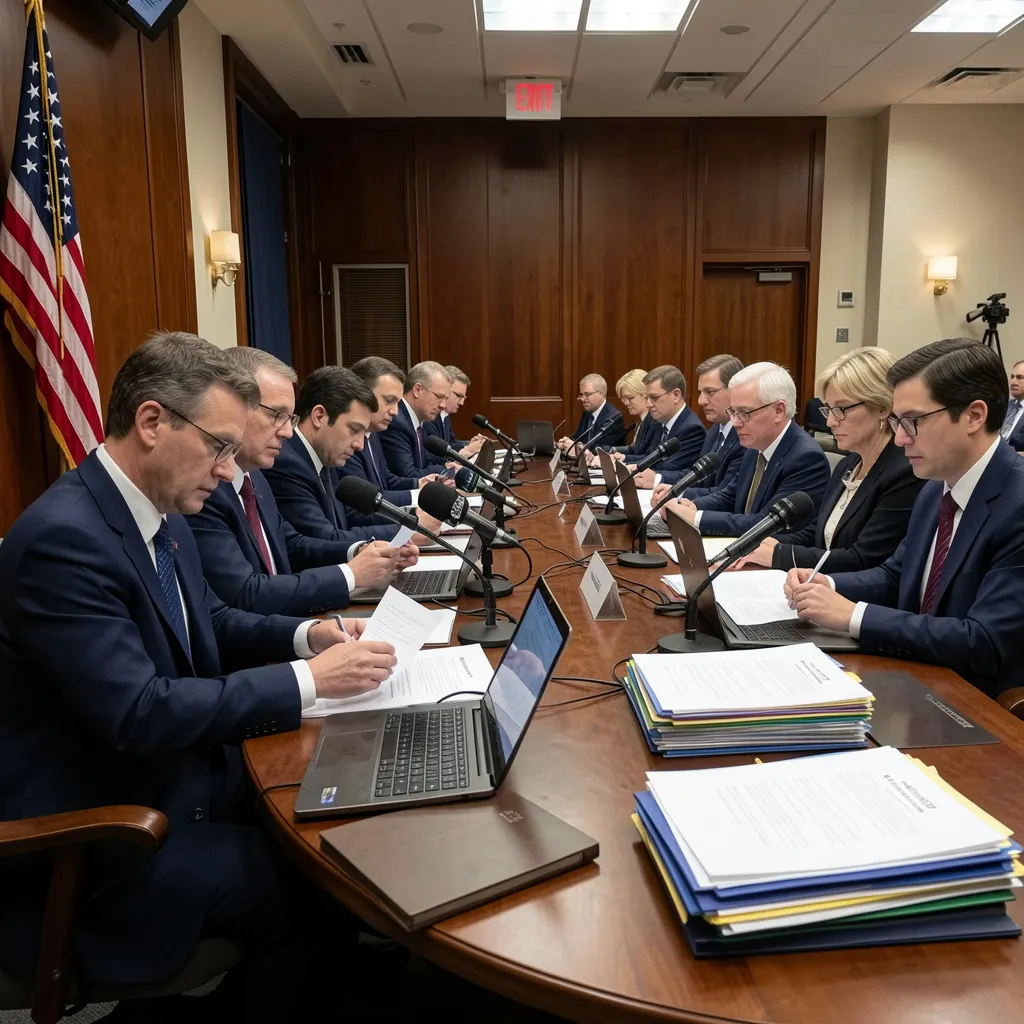
Congress remains responsible for monitoring federal spending. Lawmakers conduct hearings, review budgets, and evaluate agency performance throughout the fiscal year.
Committees such as the House Oversight Committee regularly examine how agencies allocate taxpayer dollars. These reviews often influence future appropriations and policy decisions.
The DOJ’s latest move could become a topic of discussion during upcoming budget hearings.
How Federal Agencies Could Be Affected
Funding changes often create ripple effects across government departments. Agencies may need to adjust priorities, reporting practices, or compliance procedures.
The Congressional Budget Office has frequently noted that budget reallocations can affect long-term planning and operational performance.
Some agencies may welcome greater flexibility. Others may face new reporting requirements designed to maintain accountability.
Transparency Remains a Key Issue
Government transparency remains a major concern for voters and policymakers. Citizens expect agencies to explain spending decisions clearly and provide measurable outcomes.
Research from the Pew Research Center shows that transparency can improve confidence in public institutions. Clear communication also helps agencies justify policy changes.
As a result, many observers will closely watch how the DOJ explains and implements this funding shift.
Watchdog Groups Continue Monitoring
Government watchdog organizations remain active in reviewing federal spending. These groups often analyze audits, financial reports, and agency disclosures.
Organizations such as the Project On Government Oversight and Taxpayers for Common Sense continue advocating for strong accountability standards.
Their future reports may help determine whether the policy shift improves efficiency or creates oversight gaps.
What Happens Next?
The DOJ’s decision marks an important moment in the ongoing debate over government spending and accountability. Supporters see an opportunity to improve efficiency. Critics want assurances that transparency and oversight will remain strong.
Meanwhile, Congress, watchdog groups, and policy experts will continue reviewing the impact of the change. Their findings could influence future budget discussions across multiple federal agencies.
Ultimately, the debate centers on one question: How can government balance efficient spending with strong public accountability? The answer may shape federal oversight policies for years to come.
#DOJ #FederalBudget #GovernmentOversight #PublicFinance #Congress #FiscalPolicy #GovernmentTransparency #BudgetAccountability #PoliticalNews