

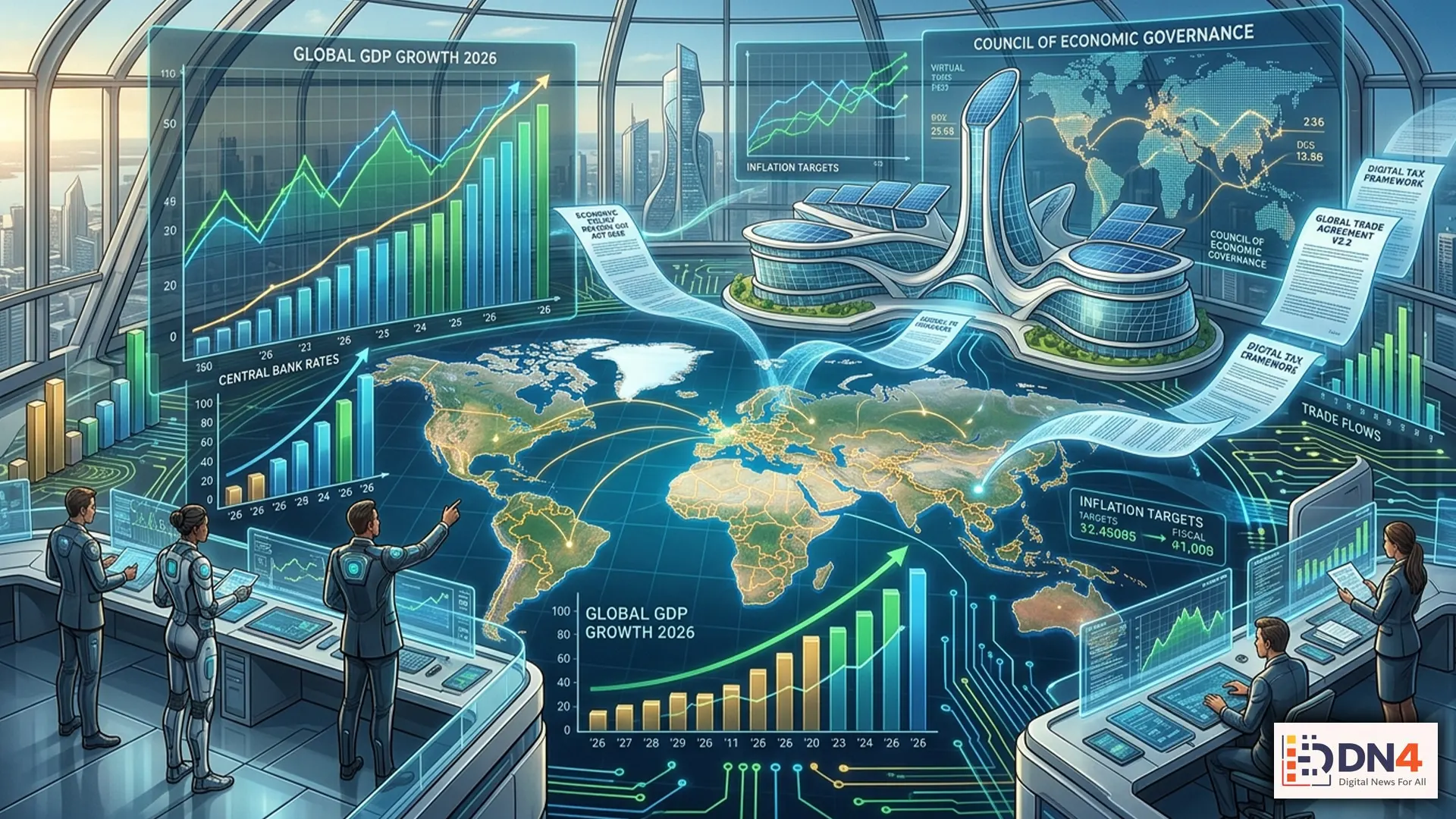
The year 2026 represents a turning point for the global economy and legal systems as governments, businesses, and citizens adapt to rapid changes in technology, trade, regulation, and financial priorities. Economic growth strategies are increasingly connected with legal reforms, creating a landscape where policy decisions can have immediate effects on markets and everyday life.
From artificial intelligence regulation to global trade adjustments, policymakers are navigating complex challenges that require balancing innovation, economic stability, consumer protection, and national interests.
The Changing Global Economic Environment
Economic conditions in 2026 are shaped by several major forces: interest rate decisions, inflation management, labor market changes, energy transitions, and evolving international trade relationships.
Central banks continue playing a major role in maintaining economic stability through monetary policy decisions. Organizations such as the International Monetary Fund and the World Bank monitor global economic trends and provide analysis on growth, investment, and financial risks.
Businesses are adjusting strategies as they respond to changing consumer behavior, supply chain developments, and new regulatory requirements.
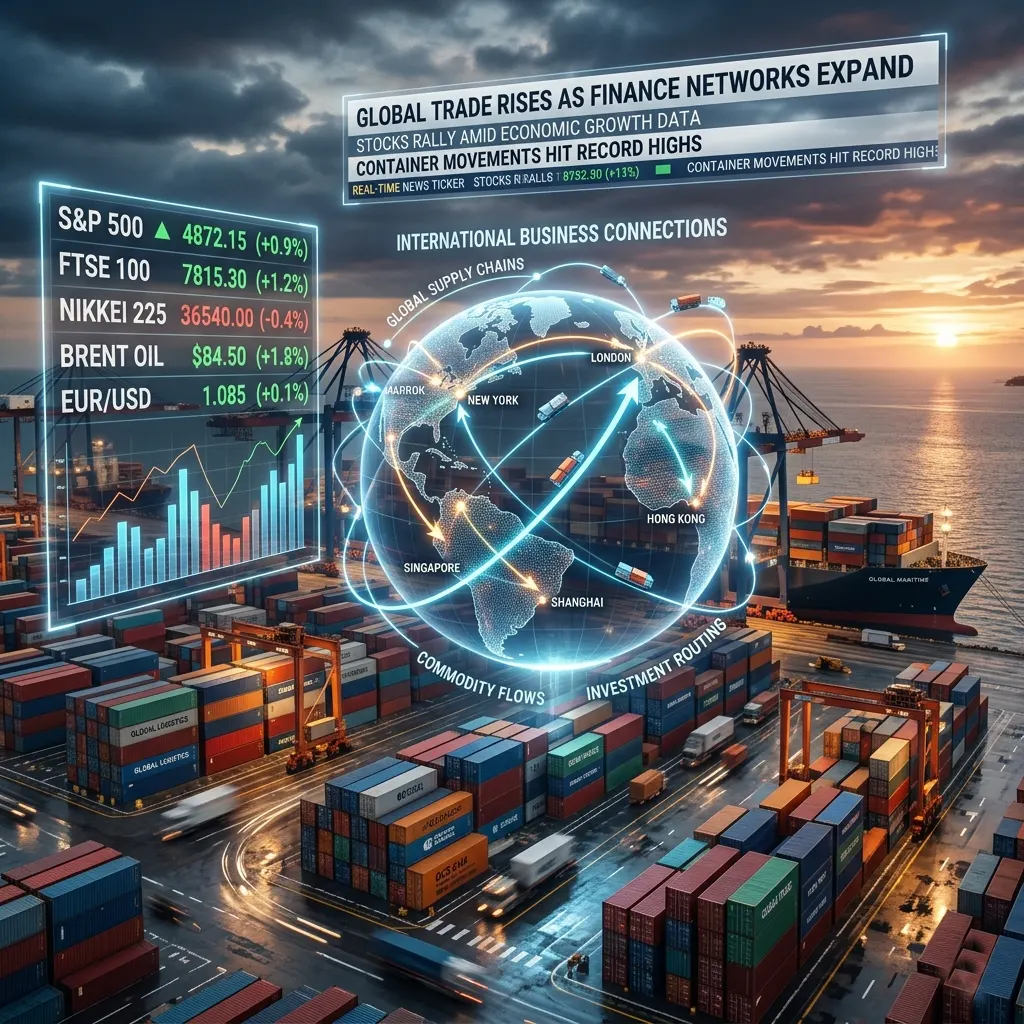
Technology Regulation Becomes a Major Policy Priority
One of the biggest legal transformations of 2026 involves technology governance. Governments worldwide are creating new frameworks to address artificial intelligence, digital privacy, cybersecurity, and platform accountability.
The rapid adoption of AI has created opportunities for productivity growth while also raising questions about transparency, employment disruption, and responsible innovation.
Organizations including the European Commission Digital Strategy and technology policy institutions are developing approaches to manage emerging technologies.
Business and Legal Compliance in a Changing World
Companies operating in 2026 face a more complex regulatory environment. Businesses must navigate changing rules related to data protection, environmental standards, employment law, taxation, and international operations.
Legal compliance is no longer only a risk-management function; it has become a strategic business priority. Companies that adapt quickly to policy changes can gain advantages in competitive markets.
Resources from institutions such as the Organisation for Economic Co-operation and Development continue examining global economic cooperation, taxation, and regulatory trends.
Trade Policy and Global Competition
International trade remains one of the most important areas of policy development. Governments are balancing economic security with the need for open markets, investment, and global cooperation.
Supply chain resilience, semiconductor production, renewable energy resources, and strategic industries have become central topics in economic planning.

The Rise of Consumer Protection Laws
Consumers in 2026 are seeing increased attention toward digital rights, financial transparency, online marketplaces, and personal data protection.
As more economic activity moves online, governments are strengthening regulations designed to protect individuals while encouraging responsible business practices.
What These Policy Shifts Mean for the Future
The economic and legal landscape of 2026 shows a world moving toward greater regulation, technological adaptation, and strategic economic planning.
Businesses, investors, and individuals who understand these changes will be better positioned to respond to new opportunities and challenges. The connection between law and economics has never been stronger, making policy awareness an essential part of navigating the future.
#Economy2026 #PolicyChanges #LegalUpdates #BusinessTrends #GlobalEconomy #FinancialMarkets #Regulation #EconomicOutlook #FutureTrends